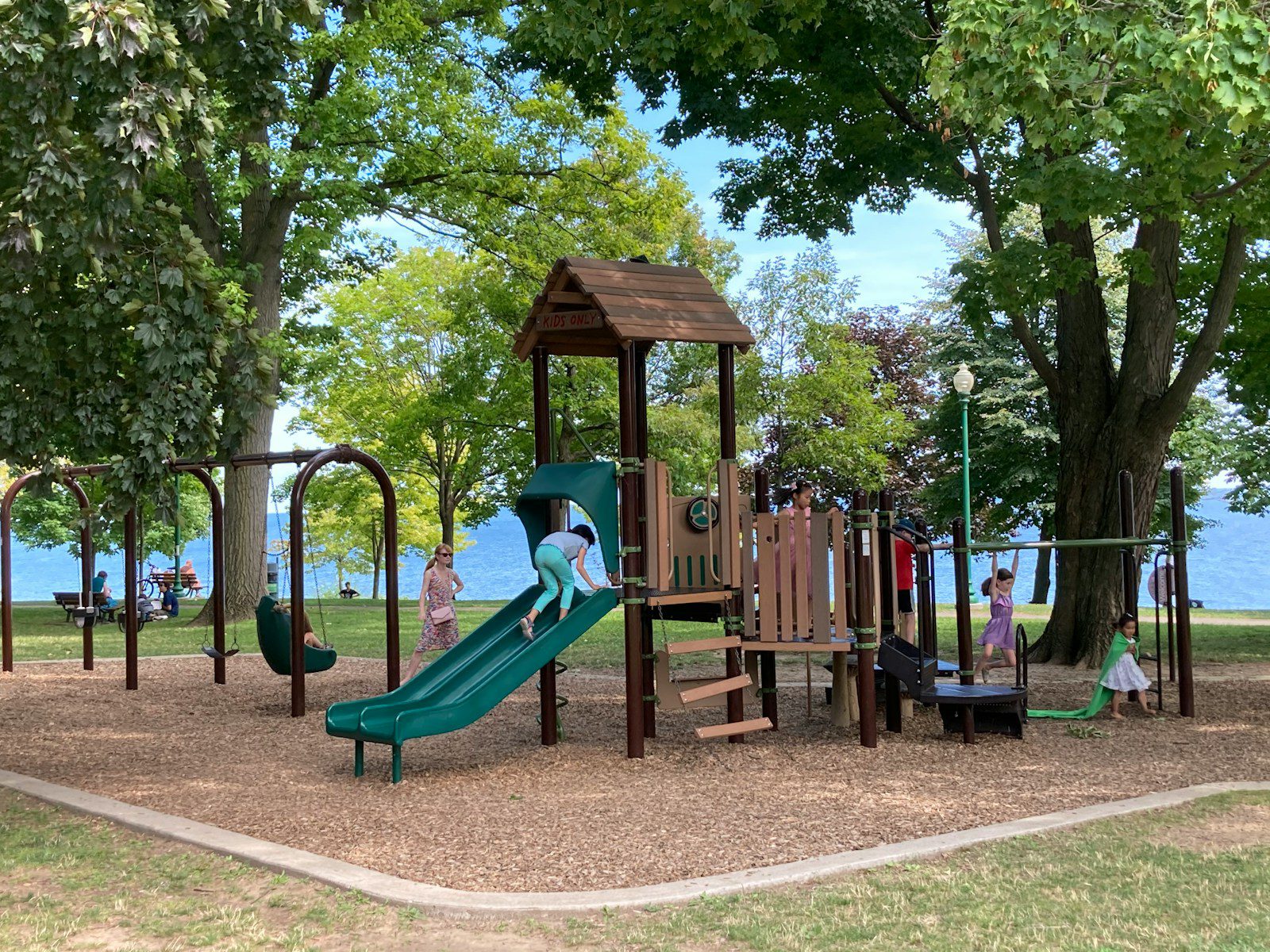
An estimated 214,788 children are treated in U.S. emergency rooms every year for injuries tied to playground equipment, and nearly half of the broken bones among them trace back to one structure in particular: monkey bars and climbing gyms, according to a two-decade analysis of national injury data published in the journal Clinical Orthopaedics and Related Research. Kids climb these structures at nearly every recess, on nearly every playground, without much thought from the adults watching. The equipment isn’t new and neither is the injury pattern, but the scale of it is easy to underestimate until you see the numbers laid out by age group and by piece of equipment. Fractures make up more than a third of all playground injuries nationwide, and a disproportionate share of the worst ones happen on the equipment kids are told to swing from, not climb up.
Monkey Bars Are Driving the Fracture Numbers
The same study, which pulled two decades of records from the Consumer Product Safety Commission’s National Electronic Injury Surveillance System, found that monkey bars and climbing gyms together account for 49.8 percent of all extremity fractures on playgrounds and 54.7 percent of the severe fractures serious enough to require hospital admission. Kids on monkey bars specifically were 2.4 times more likely to suffer a fracture than kids on other equipment, compared with 1.1 times for climbing gyms overall. Upper-extremity injuries, meaning wrists, forearms, and elbows, made up 87.4 percent of all playground fractures, which tracks with how these falls usually happen: a child loses their grip mid-swing and lands on an outstretched arm from several feet up. Boys accounted for nearly half of all cases, and kids between 5 and 9 years old were injured at the highest rate of any age group.
Why Safety Standards Haven’t Moved the Needle
Separately, the CPSC’s own injury surveillance highlights put the broader category of playground equipment injuries at 222,527 emergency department visits in a single recent year, with children ages 5 to 14 representing the largest share at roughly 148,577 of those visits, per the agency’s published NEISS data summary. What’s notable is that fracture rates on playgrounds barely moved between 2006 and 2016, even as surfacing materials and equipment design were updated to meet newer voluntary safety standards. The researchers behind the fracture study point to a specific gap: most current playground safety standards, including fall-height and surfacing requirements, were built primarily to reduce head injuries and prevent deaths, not to reduce the kind of arm and wrist fractures that come from a fall of six or seven feet onto even well-cushioned ground. A surface soft enough to prevent a skull fracture isn’t necessarily soft enough to prevent a wrist from snapping on impact.
What Actually Reduces the Risk
None of this means monkey bars need to disappear from playgrounds, and removing them outright isn’t something either agency has proposed. The more practical fixes researchers point to are lowering bar height for younger age groups, spacing rungs to match the reach of the kids actually using them, and making sure fall zones extend far enough to catch a child who slips mid-swing rather than lands directly below the bar they let go of. Supervision matters too, less for stopping a fall in the moment and more for steering younger, less coordinated kids toward equipment sized appropriately for them instead of whatever their older siblings are using. A parent walking a school playground during pickup can usually spot in about thirty seconds whether the fall surface under the climbing equipment looks adequate or whether it has worn thin from years of use.
How This Compares to Other Playground Equipment
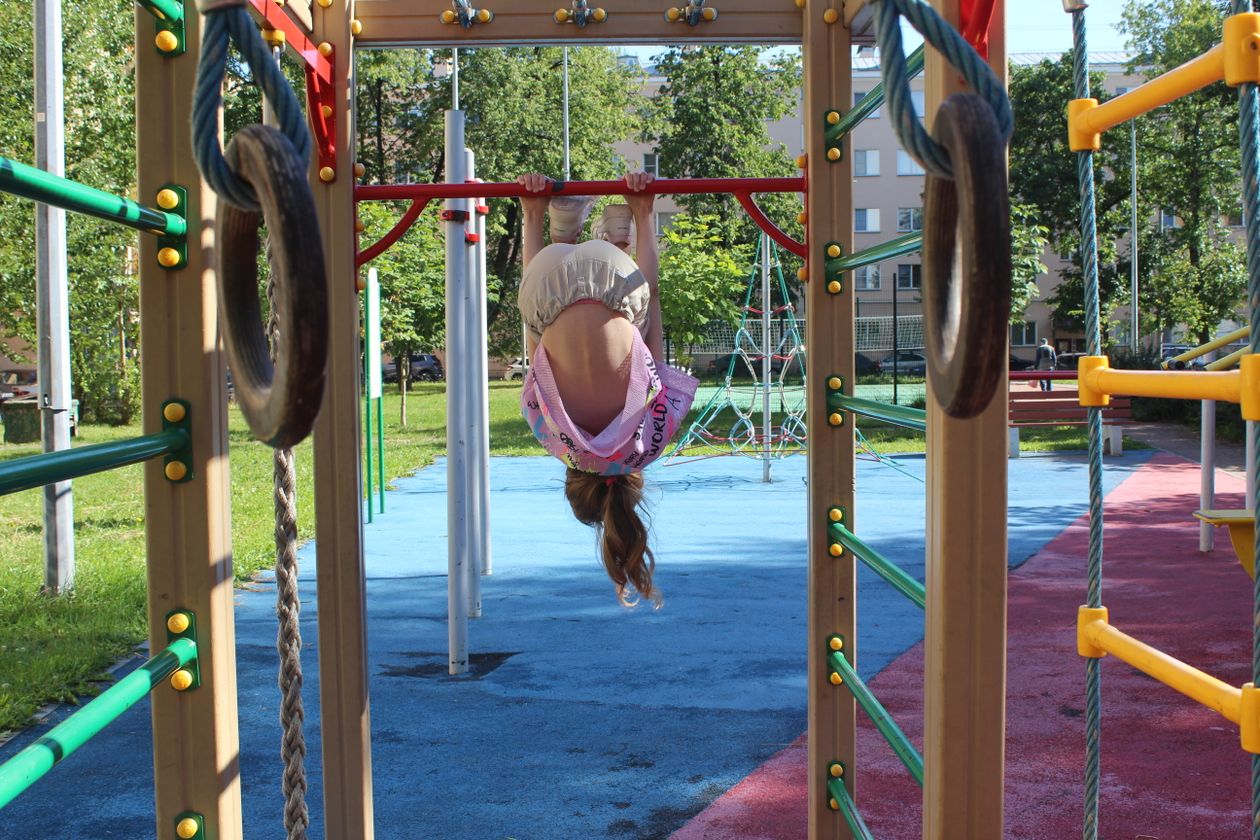
Slides, swings, and seesaws generate plenty of scraped knees and the occasional sprained ankle, but they rarely produce the kind of fracture rate monkey bars do, largely because the mechanics of a fall are different. A child sliding down loses very little height on the way, and a swing seat keeps most kids seated until momentum slows. Monkey bars ask a child to hang, let go, and catch again, often five or six feet off the ground, which means every single swing carries a small chance of a fall from full height onto an extended arm. Multiply that by how many times a child crosses a set of bars during a single recess, and the exposure adds up fast, even on equipment that technically meets every current safety standard.
What Schools and Parks Departments Are Starting to Change
Some school districts and municipal parks departments have begun lowering monkey bar height for elementary-age installations and adding wider, deeper impact-absorbing surfacing specifically under climbing equipment rather than applying a uniform depth across the whole playground. It’s a slower, less visible fix than replacing equipment outright, and it rarely comes with a ribbon-cutting. But it’s the kind of change that shows up in the injury data years later rather than in a press release now, which may be part of why fracture rates have been so slow to move even as playgrounds have otherwise gotten safer by nearly every other measure.
The equipment sending the most kids to the ER is the one every recess treats as routine, the bars every kid is expected to master, on a surface built for a different kind of fall than the one that actually happens.