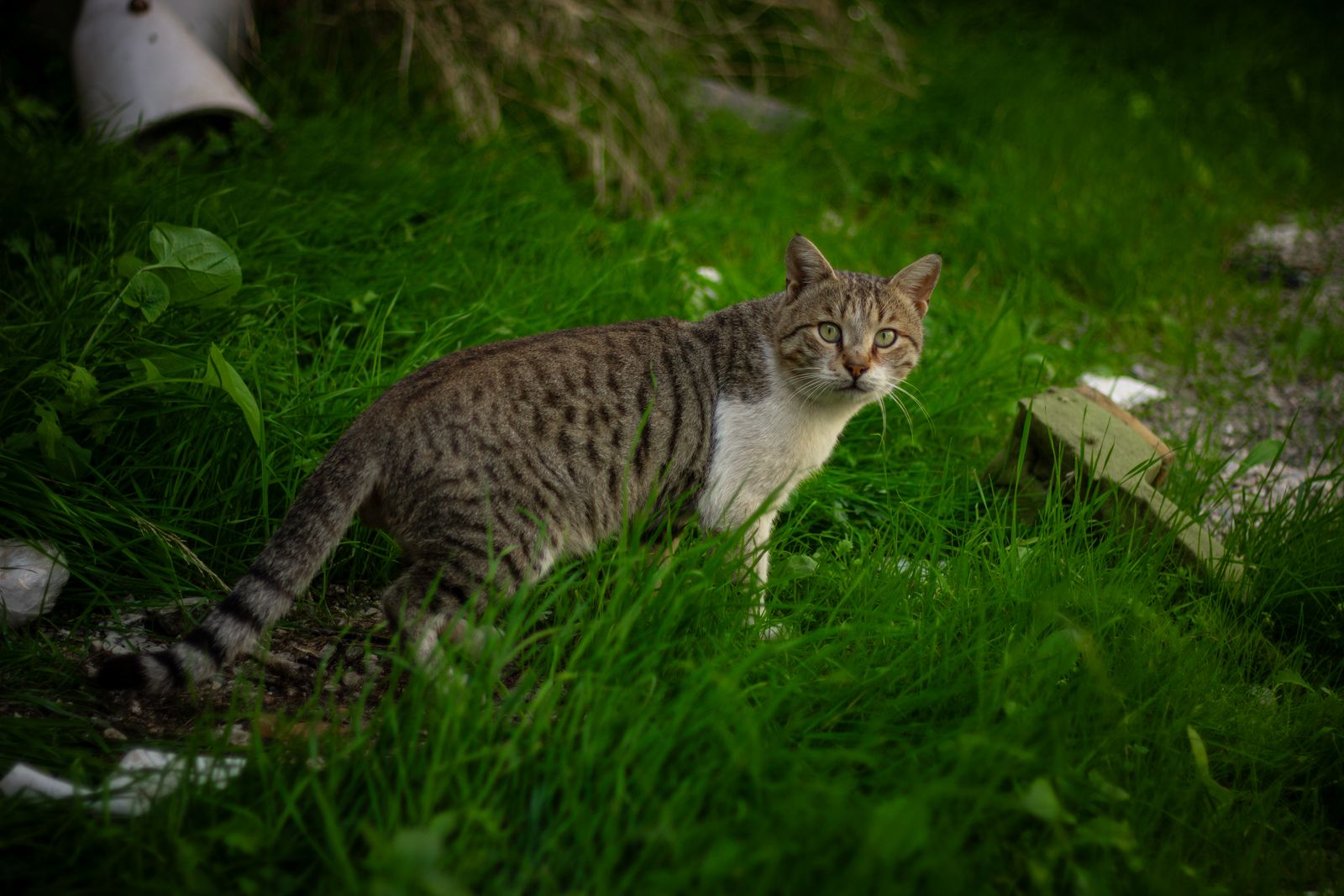
One homeowner was caught off guard when she noticed her backyard was steadily transforming into a litter box and a hunting ground, all thanks to her neighbor’s cats. The unsettling moment started innocently enough: while sipping her morning coffee, she found herself sharing space with a friendly black and white cat. Little did she know, that encounter would lead to a bigger problem.
After a friendly nuzzle from the cat, she unknowingly set herself up for a series of unwelcome surprises. Later that day, she spotted another cat preparing to relieve itself among her flowers—a direct invasion of her property. Frantically waving her arms to shoo it away didn’t change the fact that this was quickly becoming a common occurrence. Instead of enjoying her backyard space, the homeowner found herself constantly dealing with the messes left behind. The situation escalated as she cleaned up dead birds and other small animals, which had transformed her once peaceful yard into a scene of wildlife management.
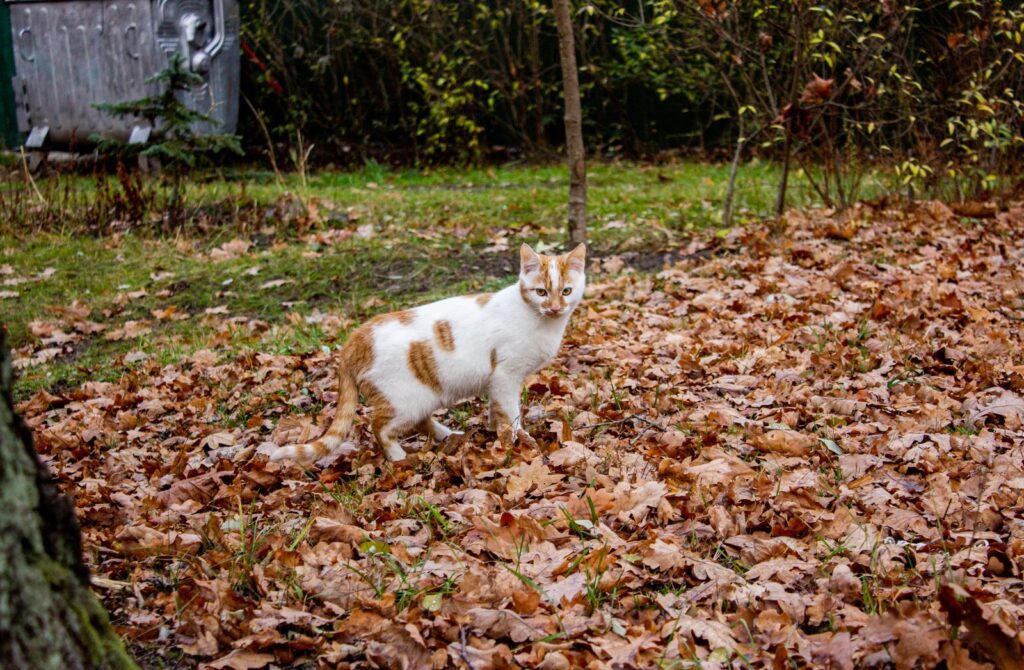
Her frustration mounted as her two small children played in the yard, innocent and unaware of the animals prowling close by. It wasn’t just her property at risk; her next-door neighbor’s yard also suffered similar fates, with cats using their flower beds as makeshift bathrooms. This made it clear: the cats weren’t just targeting one household. They were roaming freely, creating chaos across multiple yards.
After discovering that these troublesome cats belonged to a neighbor behind her house, she resolved to knock on the door and address the issue directly. Yet, she found herself wrestling with how to approach the conversation. She didn’t want to stir up trouble but also recognized the need to protect her own space. It’s a delicate balancing act many face when dealing with neighbors and their pets.
Having spent eight years in the animal field, she understood the mindsets of some cat owners well. Many believe they can’t control their pets, essentially allowing them unrestricted access to roam. Yet, this perspective often overlooks the responsibility of pet ownership. The homeowner felt strongly that cats should be kept indoors, not left to wander at will, risking their safety and that of local wildlife.
Other community members had varying reactions to her predicament. Some sympathized with her plight, recalling similar experiences with their neighbors’ pets. Others felt it was part of the responsibility of living in a more suburban area where outdoor pets might roam freely. This division in perception often complicates the discussions around pet ownership. Some pointed out that a conversation with the neighbor could resolve the issue amicably if approached thoughtfully.
Meanwhile, a curious piece of irony loomed over her situation. When the family purchased their home, they found a cat trap tucked away in the garage. Initially perplexed by its presence, it suddenly made sense in light of the current chaos—evidence that the previous owners likely dealt with similar feline frustrations. The thought of possibly using it to manage the neighbor’s cats lingered in her mind, a last resort that felt both tempting and problematic.
As she prepared for her conversation with the cat’s owner, the homeowner couldn’t shake the discomfort of the entire situation. Tactfully addressing the problem without creating a rift in the neighborhood was a challenge. Everyone wants to maintain friendly relations with their neighbors, but when personal space is invaded, standing up for oneself becomes a necessity. In a world that increasingly embraces responsible pet ownership, where is the line drawn between a neighborly dispute and a genuine issue of responsibility?
With her kids happily playing in her yard and the cats lingering nearby, the question loomed larger: how to balance the rights of pet owners with the need for peace and cleanliness in one’s own home? Time would tell whether this conversation would bear fruit or lead to further complications.
More from Decluttering Mom: