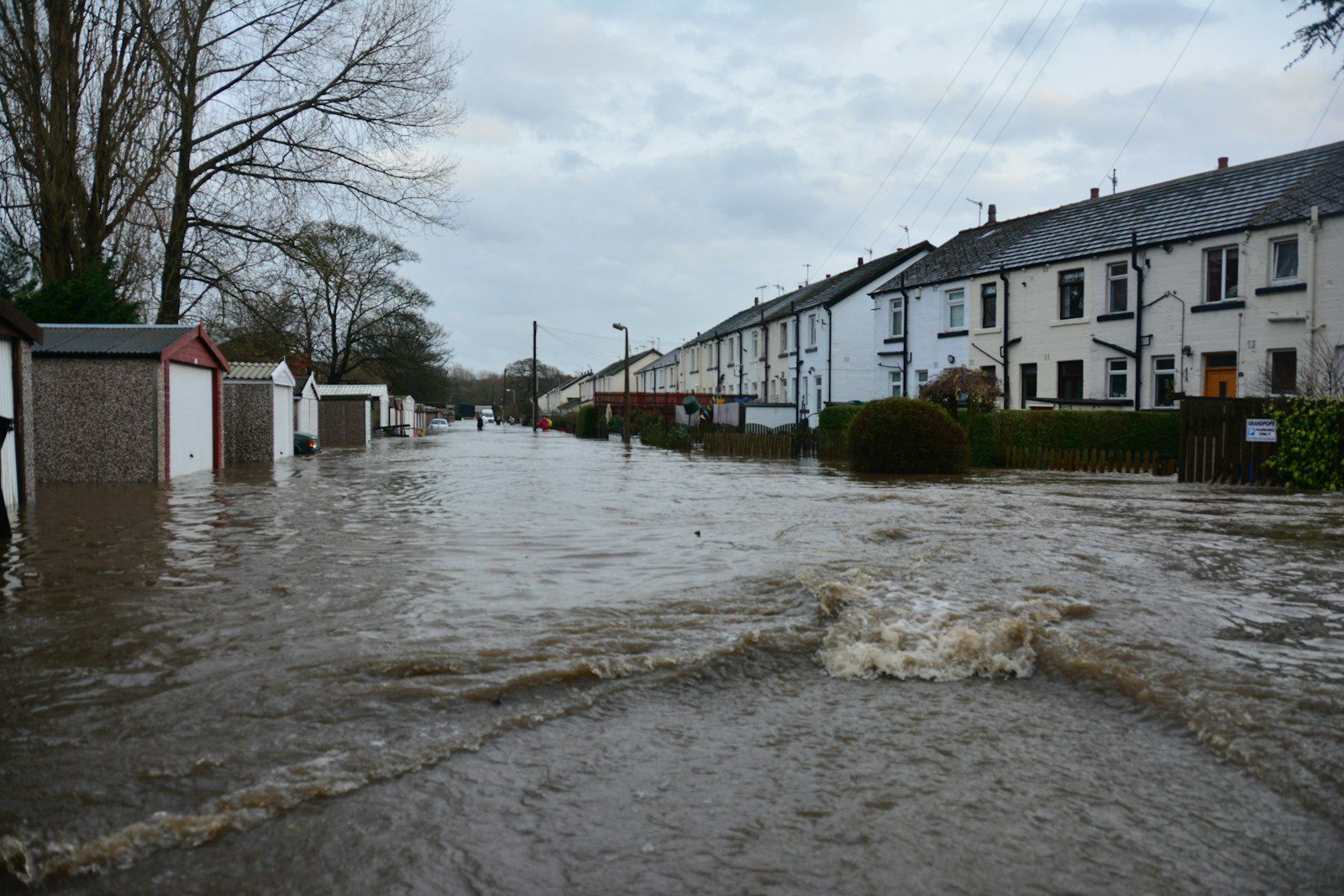
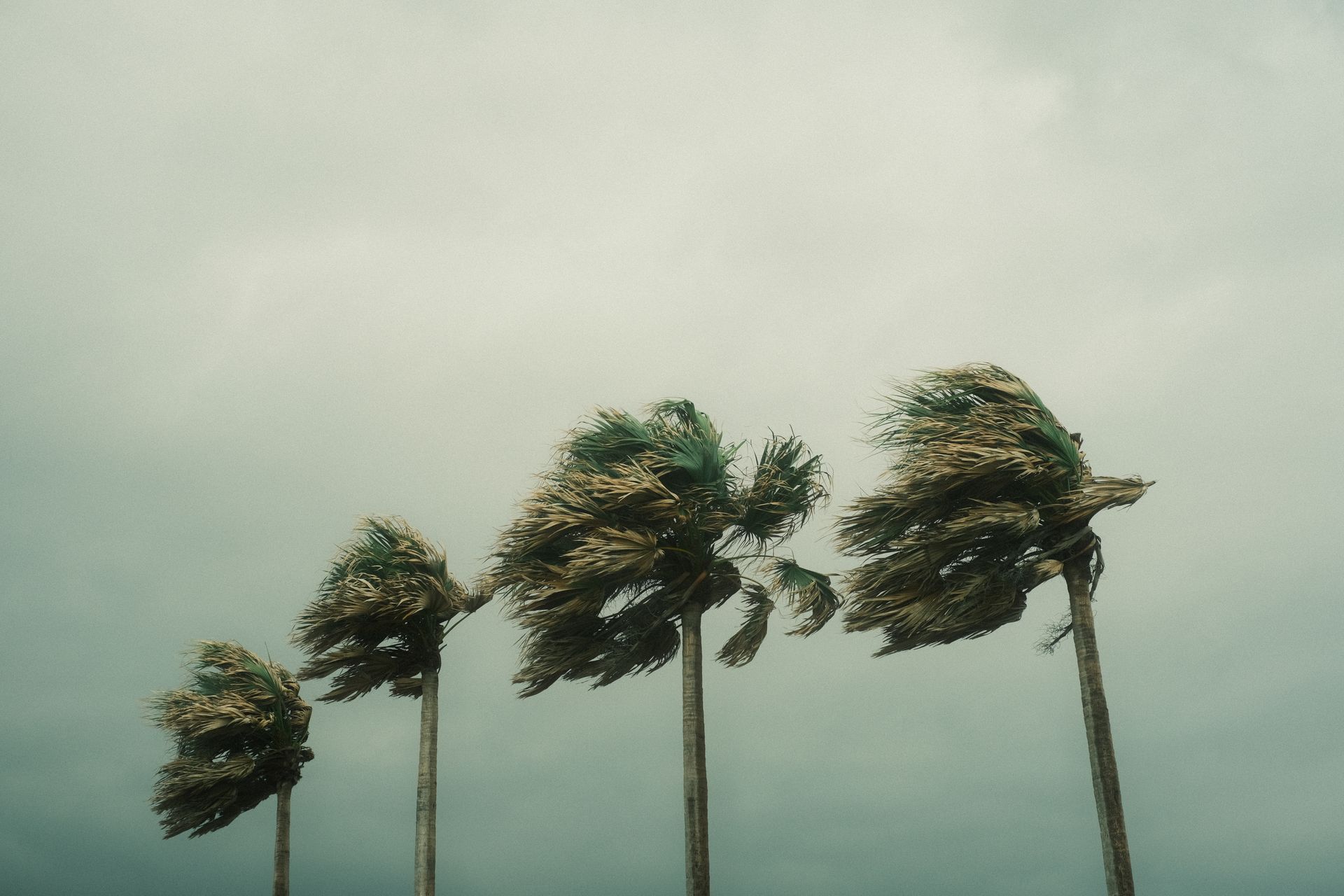
At least one person is dead, nearly 200,000 homes and businesses lost power, and more than 100 homes were damaged or destroyed after Hurricane Lala weakened to a tropical storm and tore across Hawaii’s Big Island on August 16, 2026, according to CNN. Rural residents are now being told power in some areas may not be fully restored for months.
Key Points
- Rainfall exceeded 3 feet in some areas of the Big Island, triggering flash flooding on top of destructive winds, per CNN’s storm coverage.
- More than 100 homes were damaged or destroyed by rising water and high winds, and nearly 200,000 customers initially lost power, according to NBC News.
- Officials have warned that power restoration in some rural, hard-to-reach areas of the island could stretch on for months rather than days.
- Hawaii’s insurance commissioner issued a memo directing insurers to process storm-related claims fairly and promptly, per Insurance Journal.
What Happened
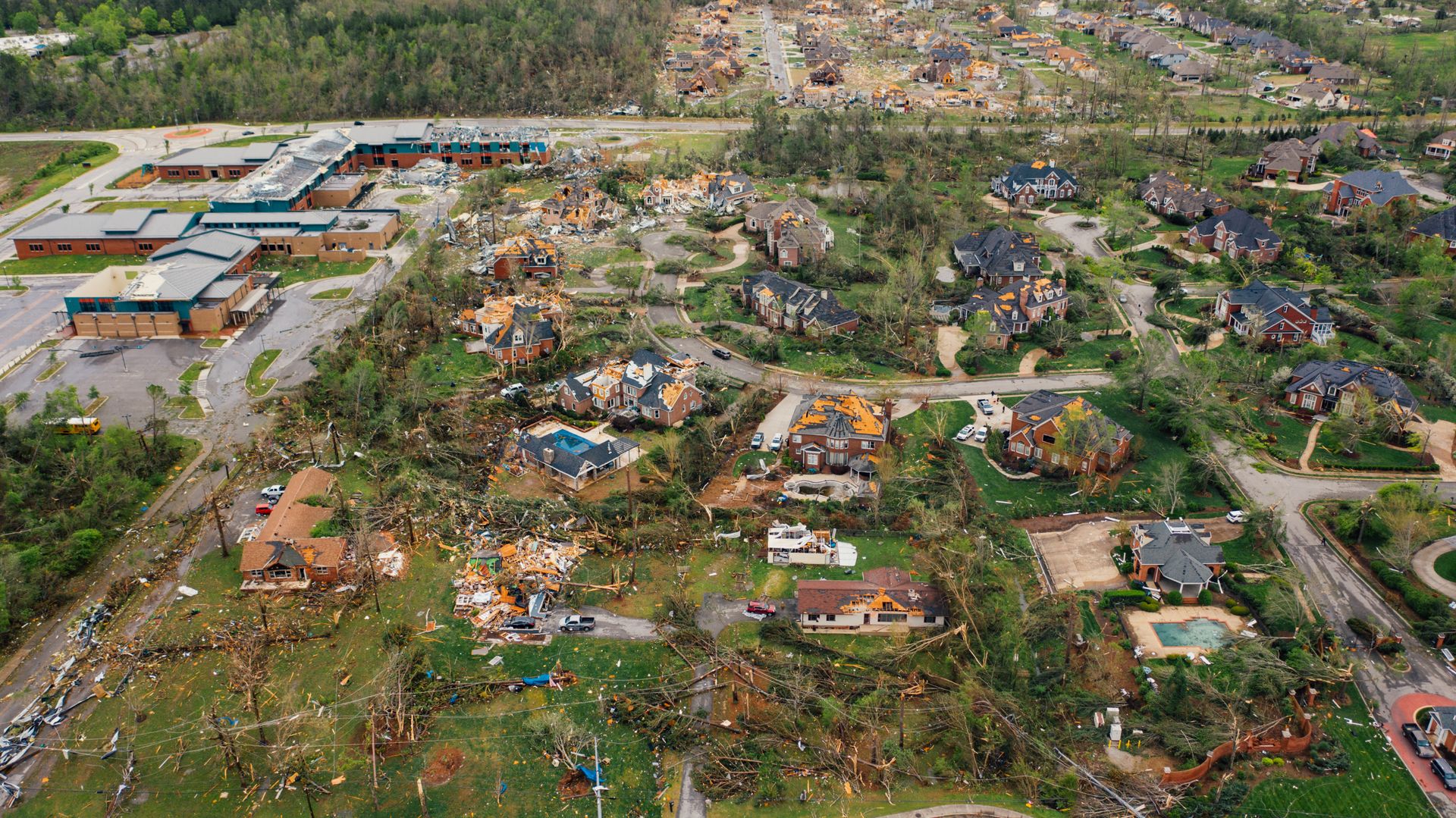
Lala made landfall as a hurricane before losing strength over the islands, but its rainfall and wind proved damaging enough to flood neighborhoods, down trees and knock out power across a large stretch of the Big Island. The storm’s slow movement dumped an unusually high volume of rain in a short window, and floodwaters combined with high winds to compromise roofs, foundations and electrical infrastructure in ways that are still being assessed.
What Consumers Should Do
- File a claim as soon as possible rather than waiting to see the full scope of damage, and get a claim number from your insurer immediately.
- Photograph and video every damaged area before making temporary repairs, and hold onto damaged items for an adjuster to inspect.
- Use tarps or boarding to prevent further damage, but avoid permanent repairs until your insurer signs off.
- Keep every receipt for temporary lodging, meals and repairs, since those costs may be reimbursable.
- Be wary of contractors who pressure homeowners to sign over insurance checks directly; Hawaii’s Department of Commerce and Consumer Affairs Insurance Division recommends contacting them at 1-844-808-DCCA, extension 4, with questions.
The Hawaii Insurance Division’s memo, issued August 26 by Commissioner Scott K. Saiki, instructs insurers to evaluate each claim on its own facts, apply policy language as written rather than assuming coverage based on the storm’s classification, and consult National Hurricane Center and National Weather Service advisories when determining the timing and scope of damage. For homeowners still without power, the guidance is consistent across officials: document everything now, because the paperwork trail matters as much as the repair itself once claims start moving through insurers.