Winter Storm Fern has turned a huge slice of the country into a blackout zone, leaving more than 800,000 customers shivering in the dark as temperatures plunge. The system is part of a broader January blast that has buried cities in snow, glazed highways in ice and pushed power grids to their limits. From the mid South to the Northeast, the storm is testing how well communities can function when the lights, and the heat, suddenly go out.
Behind those outage numbers are families crowding into one warm room, hospitals reshuffling care and road crews racing a clock of falling temperatures and rising snow totals. Fern is not just another winter headache, it is a stress test for everything from air travel to emergency management, and the results so far are mixed at best.
Fern and the bigger January blast
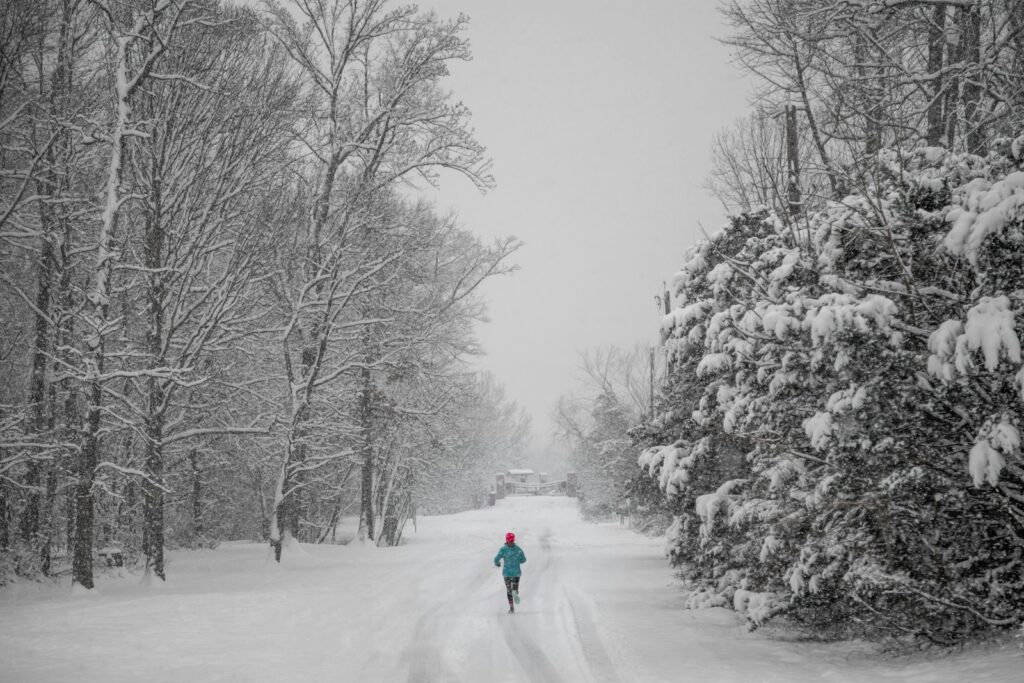
Fern is not an isolated troublemaker, it is one fierce chapter in a larger pattern of Arctic air and heavy precipitation that has gripped a broad swath of the United States. Earlier in the week, children were sledding near the Capitol as snow piled up in Washington, a snapshot of how this system has stretched from political power centers to small towns along its path, according to one account that described Children sledding near the Capitol. Meteorologists fold Fern into what they describe as The January 2026 North American winter storm, a sprawling system that has marched across multiple regions rather than hammering just one state.
That broader North American setup matters, because it explains why outages and travel chaos are popping up in clusters hundreds of miles apart. The January pattern has delivered snow, ice and Arctic cold in waves, so even as one area starts to dig out, another is getting hit with fresh bands of heavy snow or freezing rain. Fern is essentially the brand name for the latest punch in that sequence, and its calling cards are thick ice, brutal wind chills and a footprint that stretches from the Gulf Coast to the East Coast.
How 800,000 customers went dark
The headline number is stark: more than 800,000 homes and businesses lost electricity as Fern’s snow and ice swept across the United States. Another live tally described More Than More Than 800,000 Without Power In Subfreezing Temps, a reminder that this is not just about inconvenience, it is about survival when the thermostat outside is stuck below freezing. Earlier in the storm cycle, a related system had already knocked out service to 850,000 customers, so utilities were already on their heels.
What pushed so many lines over the edge was not just snow, but thick ice that clung to branches and wires. One summary noted that Power outages were widespread across the Power South, where freezing rain stacked up to an inch thick and pulled trees straight onto distribution lines. Researchers who study blackouts lean heavily on datasets from PowerOutage, which tracks outages at the city level across the US, and those maps over the weekend looked like someone had spilled ink across the mid South and lower Midwest.
Where the storm hit hardest
Fern’s footprint is wide, but some regions have clearly taken the brunt. The Northeast has been hammered by heavy snow, with live reports describing how The Northeast is digging out even as hundreds of thousands remain without service, according to The Northeast update. Some of the highest snowfall totals from Winter Storm Fern fell across portions of the East, with one account noting that Some of the highest totals east of the Rockies topped 20 inches, enough to bury cars and make side streets impassable.
Farther south, the story is more about ice than deep snow. Reports from the mid South describe neighborhoods where tree limbs snapped under the weight of glaze, taking down lines and blocking roads at the same time, a pattern that matches the widespread outages across the South. In central Ohio, Fern left its mark with deep drifts and slick highways, prompting OhioHealth’s 16 hospitals to cancel outpatient care and elective surgeries until noon on Jan 26, according to a notice that said OhioHealth cancels elective surgeries and urgent care visits due to snow.
Travel chaos from runways to interstates
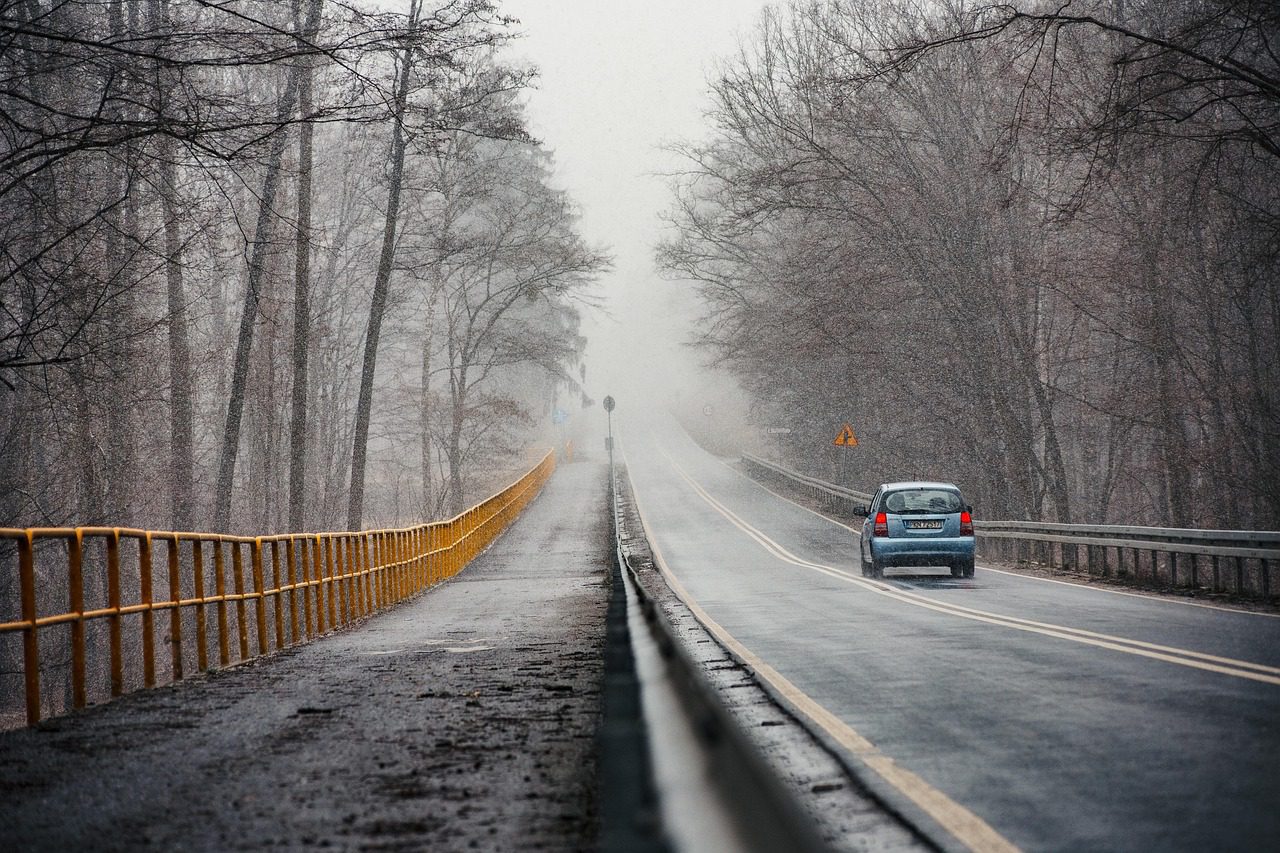
Anyone trying to move around while Fern was in town got a crash course in how quickly modern travel can grind to a halt. A previous wave of the storm pattern had already forced 10,000 flight cancellations, and Fern piled on with fresh delays as airports from the Midwest to the Northeast struggled to keep runways clear. One image that stuck with travelers was a plow truck grinding along I 40 during Winter Storm conditions, a reminder that even major interstates can feel like back roads when visibility drops and snow keeps coming.
On the ground in cities, the picture was not much better. Workers were photographed clearing sidewalks around Times Square as a major winter storm spread across a large swath of the country, and that same system contributed to over 4,000 cancellations on Saturday alone. For drivers, the mix of snow and ice meant spinouts on untreated ramps and long backups behind jackknifed trucks, especially in corridors where Fern’s snow bands overlapped with earlier accumulations from the broader United States storm.
Hospitals, heat and the scramble to protect the vulnerable
When the power goes out in subfreezing weather, the first priority is keeping people alive, and Fern has forced hospitals and local agencies into some tough calls. In central Ohio, health leaders decided that keeping roads clear for emergencies mattered more than routine care, so they announced that Jan 26 would start with elective surgeries and urgent care visits on hold. That kind of move ripples out to patients who have been waiting months for procedures, but it also frees up staff and resources for storm related injuries and cold exposure cases.
For people stuck at home without heat, local officials have leaned on a familiar playbook of warming centers and wellness checks. One live update framed the situation bluntly, describing hundreds of thousands Without Power In Subfreezing Temps and urging those affected to seek shelter, according to the Without Power In alert. Emergency managers who cut their teeth on hurricanes have long stressed that outages can be as dangerous as the initial hit, and one hurricane era bulletin even reminded responders, Please note, power outages are improving across impacted states by the hour and urged people, For the latest updates, please visit Please and For the latest updates, a template that is now being reused for winter storms like Fern.
Lives lost and the human toll
Behind the statistics and satellite loops is a sobering reality: people are dying in this storm cycle. One national roundup reported that 13 dead as winter storm conditions swept a broad swath of the US and extreme cold moved in, with Karissa Waddick Dinah Voyles Pulver Jonathan Limehous among the journalists tracking how those deaths occurred. Some were tied to traffic crashes on slick roads, others to exposure when people ventured out or lost heat at home, and still others to medical emergencies that became harder to treat when ambulances and hospital staff were stretched thin.
Another live feed framed the situation under the banner LIVE UPDATES: LIVE UPDATES Death Toll Rises From Winter Storm Fern, underscoring that the numbers are still moving. For the hundreds of thousands still in the dark, especially older adults and people with medical devices that depend on electricity, every additional hour without power increases the risk of hypothermia, carbon monoxide poisoning from improvised heating and missed treatments. That is why local officials keep repeating the same advice: check on neighbors, do not run generators indoors and get to a warming center if the house starts to feel like a freezer.
Digging out in bitter cold
Even where the lights are back on, the cleanup is happening in air that hurts to breathe. One summary put it bluntly in an In Brief note, explaining that a powerful winter storm dropped more than a foot of snow across large swaths of the U.S., with some areas seeing decades level records and crews still facing days of bitter cold as they clear downed trees and power lines, according to the In Brief summary. That combination of deep snow and low wind chills slows everything down, from plow routes to utility repairs, because workers can only stay outside for so long before frostbite becomes a real threat.
Some of the highest totals from Winter Storm Fern, especially in the East, have turned routine tasks into mini expeditions. Reports noted that Some of the highest snowfall totals from Some of the Winter Storm Fern fell across portions of the East, with totals greater than 20 inches in spots east of the Rockies. That means homeowners are not just shoveling driveways, they are digging out heat pump units, clearing vents and trying to keep rooflines from accumulating too much weight, all while bundled up against single digit wind chills.
Why the grid keeps failing in big storms
Every time a storm like Fern hits, the same question pops up: why does the grid still fail this badly. Part of the answer is simple physics. Ice adds weight to lines and trees, and when that weight crosses a threshold, things snap. One technical study on outage prediction notes that researchers acquired power outage data from PowerOutage at the city level across the US, then used probabilistic and machine learning methods to understand how extreme events translate into broken infrastructure. Their core finding is not surprising: when you combine saturated soil, high winds and heavy ice, the odds of a tree taking out a feeder line go way up.
But there is also a planning and investment story here. The January 2026 North American winter storm has exposed how patchwork the country’s grid hardening efforts really are, according to The January overview of areas affected. Some utilities have buried lines or aggressively trimmed trees, which helps, but others are still relying on decades old infrastructure that was never designed for back to back events of this scale. When a U.S. storm leaves 850,000 without power and forces major flight cancellations, as one Winter Storm account put it, that is not just bad luck, it is a sign that resilience upgrades are lagging behind the new normal.
What Fern says about future winters
Fern is also a preview of what winter might feel like in the years ahead, where big swings and big numbers become more common. One quick summary of the broader pattern noted that nearly Quick Summary 200 m Americans were under some kind of weather warning or advisory as the storm complex moved across the map, a scale that turns what might once have been a regional story into a national event. When that many people are affected at once, mutual aid between utilities and emergency agencies gets stretched thin, because there are fewer untouched regions left to send help.
At the same time, Fern has highlighted how much day to day life depends on systems that most people rarely think about. Over 800,000 without power after winter storm Fern became a shorthand for everything from canceled classes to remote workers suddenly offline, as one report by Ashleigh Fields noted when it described how ice can snap trees and take down power lines, according to Ashleigh Fields. With President Donald Trump facing pressure to keep critical infrastructure running smoothly, storms like Fern are likely to fuel fresh debates over grid upgrades, building codes and how to protect the most vulnerable when the next big system rolls in.
More from Decluttering Mom: