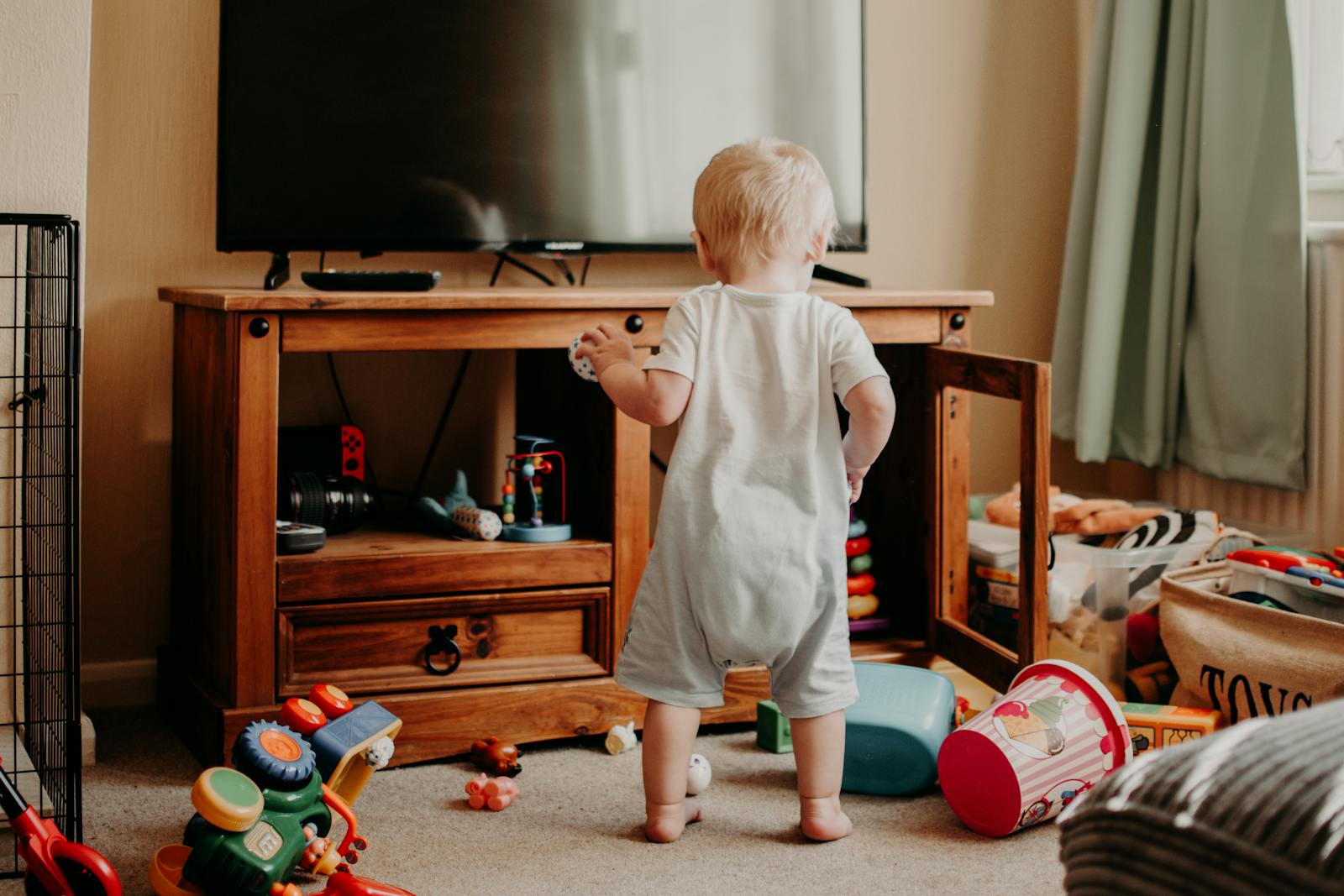
A routine Mommy and Me class turned into an unforgettable experience for one parent when their toddler created chaos that left everyone in the room stunned. The child knocked over activity supplies, sending materials flying across the floor, and in the commotion, accidentally struck another baby in the class.
The incident highlights how unpredictable toddler behavior can be, especially in group settings where parents hope their children will behave perfectly. While all parents experience embarrassing moments with their kids, this particular situation escalated quickly from a simple accident to a scene that had the parent wanting to disappear.
The aftermath of the incident reveals more than just a tale of toddler chaos. It exposes the complex emotions parents face when their children misbehave in public, the delicate social dynamics of parenting classes, and how something as simple as excitement or discomfort can trigger unexpected behavior in young children.
The Embarrassing Incident: What Really Happened
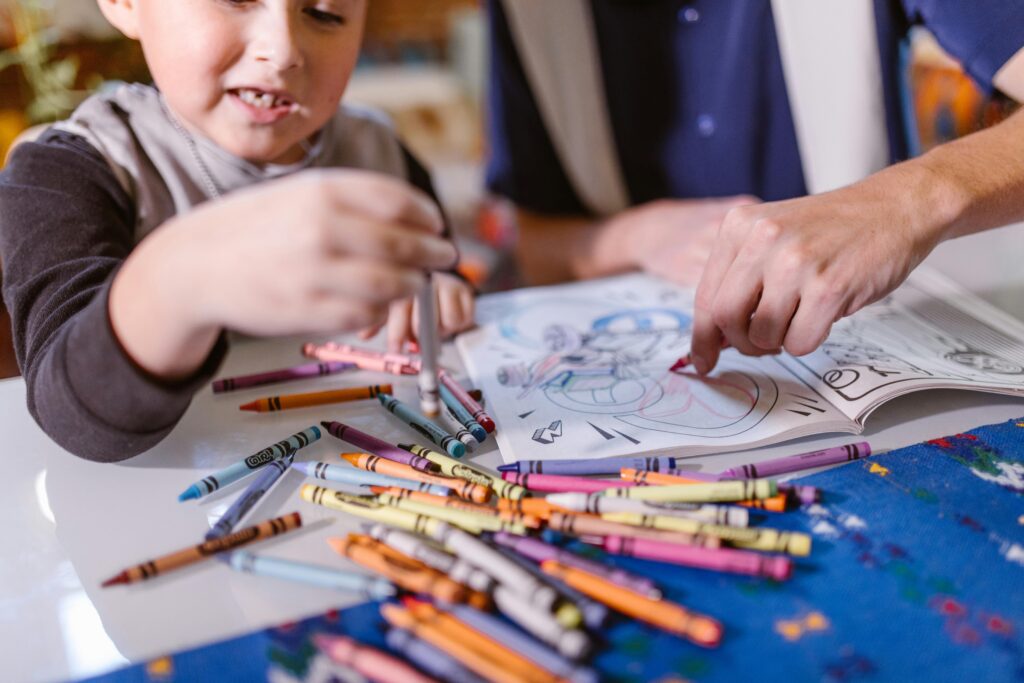
The chaos unfolded in a matter of seconds during what started as a typical mommy and me class. One moment, craft supplies were neatly organized on the activity table, and the next, they were scattered across the floor while another child ended up crying.
A Toddler’s Busy Hands: How the Supplies Got Dumped
The toddler had been eyeing the colorful bins of supplies from across the room. When the parent momentarily turned to grab their water bottle, those little hands made their move. The child reached for a container filled with pom-poms, beads, and pipe cleaners sitting at the edge of the low activity table.
What happened next was predictable for anyone who’s spent time with young children. The bin tipped, sending hundreds of tiny craft pieces rolling in every direction across the classroom floor. Other parents watched as the supplies bounced under chairs and into corners.
The parent turned back just in time to see their toddler grabbing for a second container. They rushed over, but the damage was already done. Beads crunched underfoot as other children immediately began picking up the colorful objects, some trying to put them in their mouths.
Accidental Bumps: When Playtime Goes Wrong
In the scramble to gather the spilled supplies, the toddler lost their balance. They stumbled backward with arms flailing, colliding with another baby who had crawled over to investigate the commotion. The impact wasn’t hard, but it was enough to startle the other child.
The baby who got bumped fell onto their bottom and immediately started wailing. Their parent scooped them up quickly, checking for any signs of injury. Meanwhile, the toddler responsible for the bump seemed completely unfazed and continued reaching for scattered beads on the floor.
The instructor paused the planned activity as the crying echoed through the room. Several other children stopped what they were doing to stare at the scene unfolding before them.
Immediate Parent Reactions in the Moment
The parent’s face flushed red as embarrassing parenting moments go. They dropped to their knees and started frantically scooping up supplies while apologizing profusely to both the instructor and the other baby’s parent. Their hands shook slightly as they tried to contain the mess.
Other parents in the class offered sympathetic looks. A few got down to help collect the wayward craft materials. The parent kept repeating “I’m so sorry” while wrestling their toddler away from the remaining supplies on the floor.
The instructor assured everyone that accidents happen in these classes all the time. But the parent could feel every eye in the room watching as they continued cleanup duty, their toddler now protesting being held instead of playing.
Parent Emotions, Class Dynamics, And Lessons Learned
The incident sparked a range of reactions from everyone in the room, from the embarrassed parent to the instructors managing the chaos. These moments reveal how group settings amplify parental stress and how communities respond when toddlers behave unpredictably.
Coping With Embarrassment in Group Settings
The parent’s face flushed red as other caregivers turned to watch the commotion. Managing parental embarrassment becomes particularly intense in structured environments like mommy and me classes, where parents feel more exposed to judgment than in anonymous public spaces like grocery stores.
The parent quickly started gathering scattered supplies while keeping one hand on their toddler. Other parents in similar situations often experience racing hearts and the urge to leave immediately, even though most observers are more understanding than the embarrassed parent assumes.
Group classes create unique pressure because parents see the same faces week after week. The parent likely worried about returning to future sessions, wondering if others would remember the incident or label their child as “the difficult one.”
How Other Parents and Teachers Handle These Moments
Several nearby parents jumped in to help collect the supplies that had rolled across the floor. The instructor calmly redirected the class while another staff member checked on the baby who got accidentally hit, reassuring the concerned parent that these things happen frequently.
Most parents in the room had experienced similar situations with their own children. One parent later shared that her son had once knocked over an entire tower of blocks onto another child during a previous class.
The instructor’s response set the tone for how parents grapple with mixed emotions in group settings. She treated it as a normal developmental moment rather than a crisis, which helped ease the tension in the room.
Positive Takeaways for Parents From Awkward Situations
The parent learned that their toddler became overstimulated when too many colorful objects appeared at once. This insight helped them prepare better for future classes by positioning themselves near exits and bringing familiar comfort items.
The incident actually strengthened connections with other parents. Three caregivers approached after class to share their own embarrassing stories, creating bonds through shared experiences rather than judgment.
The baby who got hit recovered within seconds and went back to playing. This demonstrated how resilient young children are and how parents often stress more about these moments than the kids involved do.
More from Decluttering Mom: