


You watch as a toddler on a scooter keeps crashing into other kids, and the neighbor shrugs it off, saying they should “work it out themselves.” That leaves you wondering what to do now and whether anyone can make the parent take responsibility.
You can take immediate safety steps, document injuries, and pursue legal options if the parent won’t act, even when they claim kids should handle it themselves. This post walks through what to do on the spot, how parental responsibility and liability can apply, and when to involve authorities or insurers.
Expect clear, practical guidance on stopping the behavior, preserving evidence, and understanding possible civil remedies so you know when to escalate and how to protect the injured children.

When a Neighbor’s Toddler Causes Injuries: Key Issues and Immediate Steps
Neighbors should respond quickly, document what happened, and prioritize the injured child’s safety. Addressing parental attitudes, gathering evidence, and knowing when to seek medical care or legal advice matter most.
Common Scenarios and Examples
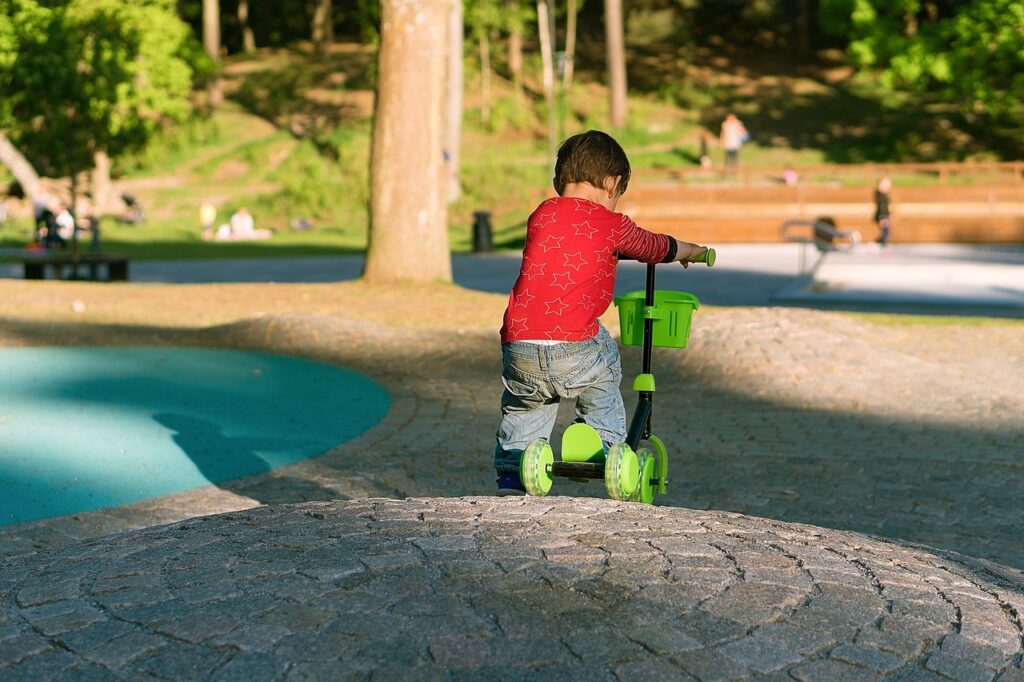
Toddlers on small scooters can run into younger children in driveways, shove others at playgrounds, or knock down kids chasing balls. Typical incidents include a scooter strike to the shin, a toddler pushing a smaller child off a low play structure, or collisions during pick-up/drop-off near parked cars.
Parents should note location, time, and witnesses right away. Photograph injuries, damaged clothing, and the scooter involved. Record short video where safe — for example, the path the scooter typically takes or lack of adult supervision — because that helps later if patterns repeat.
If the injured child had visible bleeding, head impact, or can’t use an arm or leg, treat as more than minor and get medical attention. For minor scrapes, document treatment given at home and any change in behavior over 24–48 hours.
Understanding Parental Reactions and Attitudes
Some parents downplay incidents, saying kids must “work it out,” while others react with immediate apology and corrective steps. A shrug can mean denial, different safety standards, or belief that the injury was accidental and not their responsibility.
Observe the neighbor’s response: do they supervise afterward, offer to exchange contact info, or ignore the situation? Those actions predict whether the behavior will stop. If a parent shows no concern and refuses to acknowledge repeated harm, they increase risk to other children and may force the injured family to escalate the response.
Keep interactions factual and calm. State the injury, show photos if needed, and request steps like restricting scooter use near younger kids or supervising play. If the parent remains dismissive, document the exchange and consider neighborhood mediation or formal complaints to HOA/childcare authorities.
Practical Steps if Your Child Is Hurt
Immediate actions: separate children and secure the scene; apply first aid; call emergency services for signs of concussion, heavy bleeding, or limb deformity. Take photos of injuries and the environment within 24 hours. Get witness names and contact details.
Follow-up: seek medical evaluation when symptoms persist or for any head injury. Keep all medical records and receipts; those support a personal injury claim if the family pursues compensation for medical costs or lost work. Send a written incident notice to the neighbor (email or text) summarizing facts, date, and requested remedial action.
If harm repeats or the neighbor refuses to cooperate, contact local authorities, your insurance agent, or a personal injury attorney to review options. Preserve evidence: saved messages, photos, and doctor notes strengthen any later claim.
Legal Implications: Parental Responsibility, Liability, and Injury Claims
This situation raises whether a parent can be held financially or legally responsible, whether a supervising adult breached a duty of care, and when property owners or caregivers might face premises-based liability. It also signals when families should consult a personal injury attorney to preserve evidence and evaluate claims.
Parental Responsibility Laws Explained
Many states have specific parental responsibility laws that can make parents financially liable when a minor intentionally or maliciously damages property or injures someone. These laws often set dollar caps and age ranges; for example, some codes limit liability to minors 10–18 or cap recovery amounts. That means a child’s deliberate scooter attacks could trigger a claim against the father under statutory parental liability, depending on local law.
Parents also face vicarious-liability theories in some jurisdictions, where the parent’s relationship to the child creates legal exposure even if the parent wasn’t present. Homeowner’s or renter’s insurance sometimes covers third‑party injury or property damage, but most policies exclude intentional acts. A personal injury attorney can check applicable state statutes and insurance language for coverage and caps.
Negligent Supervision and Duty of Care
Negligent supervision claims focus on whether a caregiver failed to exercise reasonable care to prevent foreseeable harm. Courts examine factors like the child’s age, prior incidents, the foreseeability of scooter attacks, whether the parent knew of aggressive conduct, and the reasonableness of the parent’s response. Repeated incidents plus a dismissive parental attitude strengthen a negligent supervision case.
Plaintiffs must show duty, breach, causation, and damages. Duty often exists when a parent has actual control over the child’s activities. Breach can be failing to restrict the child, refusing to supervise, or not intervening after earlier complaints. A personal injury lawyer will gather witness statements, medical records, and any video to establish a pattern and link supervision failures to the injuries.
Premises Liability and the Attractive Nuisance Doctrine
If injuries occur on someone’s property, premises liability may apply. Property owners must maintain safe conditions and warn of known hazards. When a dangerous item or behavior attracts children, some courts apply the attractive nuisance doctrine, which can hold owners liable if they knew (or should have known) children would trespass and get harmed.
In scooter incidents, attractive nuisance claims are less common than ones about pools or machinery, but premises liability can still matter if the property owner tolerated the conduct or failed to intervene. A plaintiff should document the location, any signs, fencing, and whether the owner had prior notice of dangerous behavior. A personal injury attorney will evaluate whether to name the homeowner, the parent, or both in a claim.
Consulting a Personal Injury Attorney or Lawyer
Families hurt by repeated scooter attacks should contact a personal injury attorney promptly to preserve evidence and identify liable parties. An attorney will explain options: filing a parental responsibility claim under state statute, pursuing negligent supervision or premises liability theories, or seeking compensation through insurance. Timelines matter because statutes of limitations vary by state.
A lawyer will collect medical records, statements, photos, and any video; send demand letters; and negotiate with insurers. If negotiations fail, the attorney can file suit and handle discovery to prove duty and damages. Consulting a personal injury lawyer early increases the chance of recovering medical costs, therapy, and other damages.
More from Decluttering Mom: