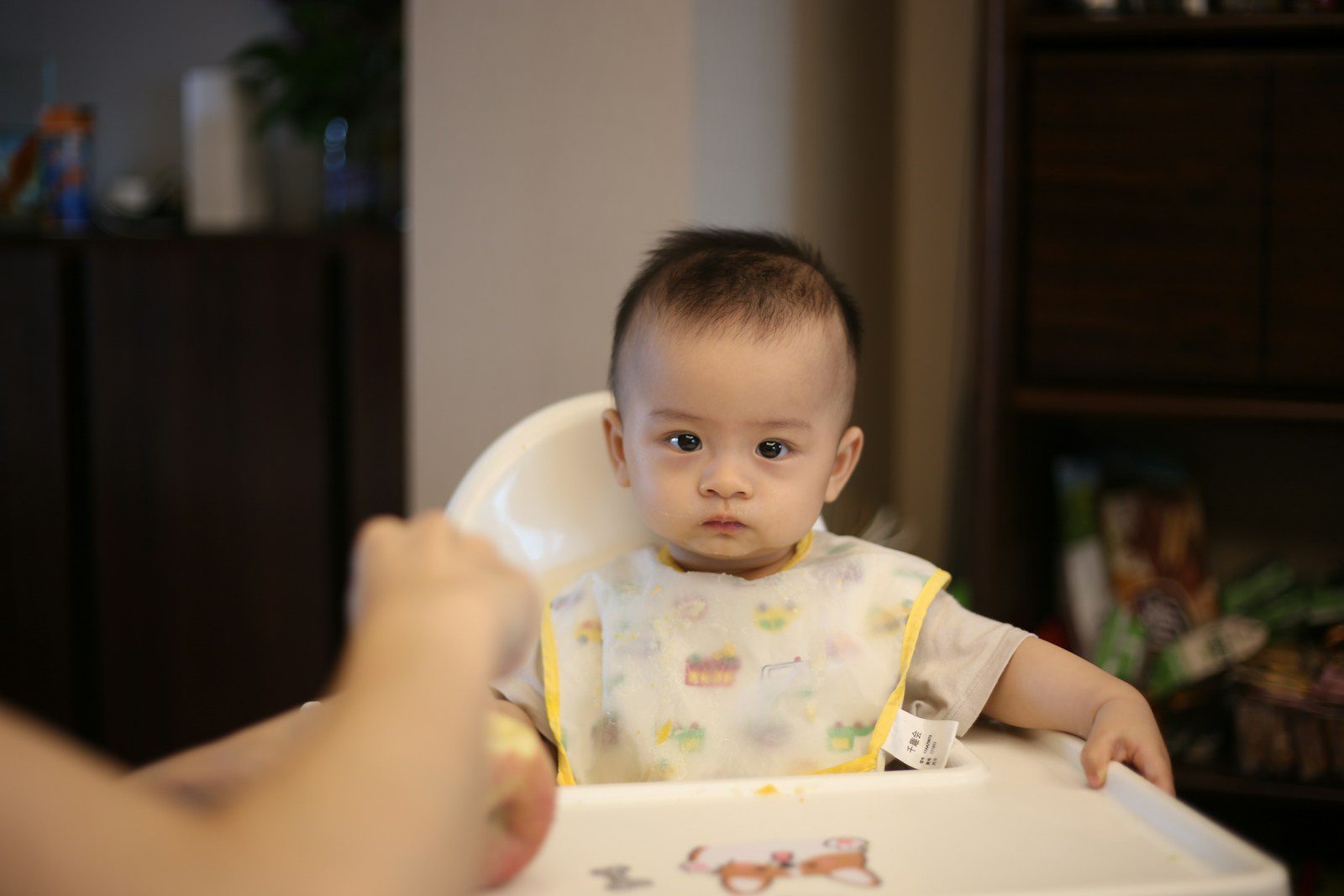
A parent recently shared a distressing situation that many families might recognize: their toddler, once an enthusiastic eater who happily tried all kinds of foods, suddenly refuses to eat solids after experiencing severe constipation. The child’s eating habits changed dramatically following the painful episode, and now the parent watches anxiously as their little one loses weight and shows fear around mealtimes.
The toddler’s refusal to eat solids stems from associating food with the pain experienced during constipation, creating a cycle where the child avoids eating to prevent experiencing that discomfort again. This response isn’t unusual when toddlers develop negative associations with eating, though it leaves parents feeling helpless and worried about their child’s nutrition and growth.
The situation raises questions about how physical discomfort can transform a child’s relationship with food and what happens when developmental changes intersect with medical challenges. The parent’s concern grows as their once-thriving eater becomes increasingly selective, creating stress around every meal and snack time.
When Constipation Changes a Toddler’s Eating Habits

A painful bowel movement can transform a toddler’s relationship with food almost overnight, creating a cycle where the child associates eating with discomfort. This fear-based response often leads to decreased food intake and concerning weight changes that leave parents scrambling for answers.
The Link Between Painful Bowel Movements and Food Refusal
Toddlers who experience painful constipation episodes often develop an aversion to eating as their minds connect food consumption with the pain they felt during bowel movements. The child’s logic becomes straightforward: less food means less pain.
This behavioral shift frequently emerges after a single traumatic bathroom experience. Young children lack the cognitive ability to understand that certain foods cause constipation while others relieve it, so they simply refuse most or all solid foods.
The avoidance behavior shows up differently across children. Some toddlers clench their bodies and refuse to sit for meals. Others accept only liquid nutrition like milk or juice, reverting to eating patterns from infancy.
Toddlers may hold their poop by squatting, hiding, or crossing their legs after a painful experience. This withholding makes the constipation worse, which reinforces their fear of eating and creates a self-perpetuating problem.
Recognizing Signs of Weight Loss and Malnutrition
Parents notice the first signs when previously snug clothing starts hanging loose on their toddler’s frame. Visible ribs, a protruding belly paired with thin limbs, and loose skin around the upper arms signal that the child is burning through fat and muscle reserves.
Energy levels often plummet as the toddler becomes less interested in play and physical activity. The child may seem listless, irritable, or tire easily during activities they previously enjoyed.
Changes in skin, hair, and nails provide additional clues. The skin may appear pale or dry, hair can become brittle or thin, and nails might develop ridges or break easily. Dark circles under the eyes become more pronounced.
Developmental regression sometimes accompanies inadequate nutrition. A toddler who was progressing with language or motor skills may plateau or lose previously acquired abilities. Sleep patterns often deteriorate as well, with the child waking frequently or having difficulty settling down.
Short-Term and Long-Term Impacts on Growth
The immediate consequences of reduced food intake affect a toddler’s growth trajectory within weeks. Height and weight measurements that previously followed steady percentile curves start to flatten or decline, raising red flags during pediatric checkups.
Brain development becomes particularly vulnerable during these critical toddler years. Inadequate nutrition during this period can affect cognitive function, learning capacity, and emotional regulation that extends beyond the immediate crisis.
The immune system weakens when a toddler’s nutritional needs go unmet. Minor illnesses that healthy children shake off quickly can linger or become more severe, leading to additional appetite loss and further weight decline.
Bone density development suffers when calcium and vitamin D intake drops significantly. This creates potential issues that might not become apparent until later childhood or adolescence, when the foundation laid during toddler years proves insufficient for healthy skeletal growth.
Strategies for Parents: Helping Your Toddler Return to Solids
When a toddler experiences painful constipation, the memory can create lasting anxiety around eating solid foods. Parents find themselves navigating both the physical recovery and the emotional aftermath of a traumatic digestive experience.
Rebuilding Trust Around Mealtime After a Scare
The emotional connection between pain and eating can be powerful for toddlers. When a child associates solid foods with the discomfort they experienced during constipation, they may refuse meals entirely or revert to only liquids.
Parents report success when they create a positive mealtime environment free from pressure. This means avoiding forcing bites or showing visible frustration when the child refuses food. The goal shifts from getting the child to eat to helping them feel safe around food again.
Starting with previously enjoyed soft foods can help ease the transition back. Many parents reintroduce solids gradually, offering familiar favorites alongside new options without expectation. Eating together as a family often encourages toddlers to try foods when they see others enjoying meals without distress.
Some children respond well to involvement in meal preparation, like washing vegetables or stirring ingredients, which helps them regain control over the eating process.
Supporting Healthy Digestion to Prevent Recurrence
Preventing another painful episode becomes a priority for parents whose toddlers experienced constipation. The fear of repeat incidents drives much of the food refusal behavior.
Fiber-rich foods that may help:
- Pears and prunes
- Whole grain cereals
- Steamed broccoli and peas
- Oatmeal with fruit
Adequate hydration plays a critical role in maintaining regular bowel movements. Parents often need to offer water throughout the day, not just at meals, to ensure their toddler stays properly hydrated.
Physical activity also supports healthy digestion. Active play and movement help stimulate the digestive system naturally. Some parents find that establishing regular meal and snack times helps their child’s body develop predictable digestion patterns.
Managing Picky Eating and Food Fears
The constipation experience often triggers or worsens picky eating behaviors. Toddlers may develop specific texture aversions or refuse entire categories of foods they previously accepted.
Parents discover that repeated exposure without pressure helps gradually. A child might need to see a food on their plate multiple times before feeling comfortable trying it. The approach involves offering foods without demanding consumption.
Toddlers who won’t eat solids often respond to variety in texture and presentation. Serving foods in different forms—raw versus cooked, cut into shapes, or mixed with preferred foods—sometimes breaks through resistance.
Praise for attempting new foods, even without actually eating them, reinforces positive associations. Small portions prevent overwhelming the child and reduce meal-related stress.
When to Seek a Pediatrician’s Advice
Weight loss signals a critical point where professional intervention becomes necessary. When a toddler’s refusal to eat solids leads to declining weight, parents need medical guidance.
Signs requiring medical consultation:
- Noticeable weight loss over several weeks
- Refusal of all solid foods for extended periods
- Signs of dehydration or fatigue
- Continued severe constipation despite dietary changes
- Extreme distress or anxiety around eating
Pediatricians can evaluate whether underlying medical issues contribute to the eating problems. They may refer families to feeding specialists or therapists who work specifically with children experiencing food-related trauma. Some situations require nutritional supplementation to prevent deficiencies while working through the feeding challenges.
More from Decluttering Mom: