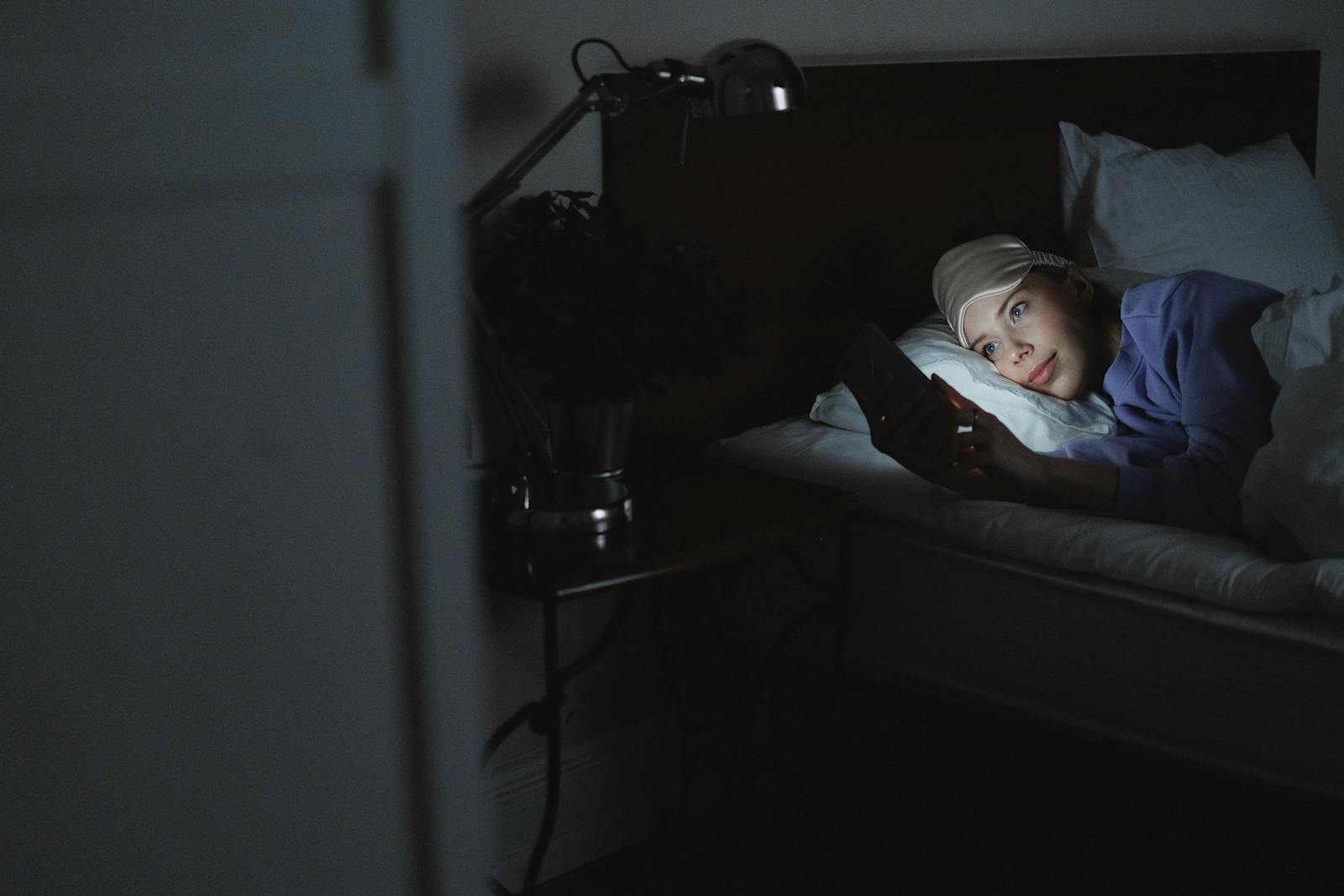
You want a clear fix: set a consistent wake time, limit late-night screens, and protect a short restorative nap after school so the sleep cycle shifts earlier. Bold the most practical step and prioritize small, steady changes to avoid nightly battles.
This piece explains why biological shifts, homework, and evening device use push teens to sleep late and nap through afternoons. It also previews family-tested strategies — from controlled naps and evening routines to morning light exposure — that make steady progress more likely and less confrontational.

Why Do Teens Stay Up All Night and Sleep After School?
Teens’ sleep often shifts later, they get less total sleep, and afternoon naps interact with this delay—so parents see evening wakefulness and long post-school naps. Biological timing, school schedules, daytime sleep pressure, and age-related differences all play key roles.
The Science Behind Teen Sleep Patterns
Adolescence brings a predictable shift in the circadian clock: melatonin release moves later, so teens naturally feel sleepy later at night. That biological delay makes a 10–11 p.m. bedtime feel normal to many teens but conflicts with family or school expectations.
Sleep need remains about 8–10 hours for most teenagers, so later sleep onset often cuts total sleep time. Sleep pressure builds with time awake; if a teen naps after school, that pressure reduces and falling asleep at a earlier bedtime becomes harder.
Behavior and screens amplify the biology. Evening exposure to bright screens suppresses melatonin and pushes bedtime later. Irregular sleep times—large differences between weekend and weekday sleep—further shift the clock and worsen daytime sleepiness.
How Early School Start Times Affect Sleep
Early school start times force teens to wake before their circadian rhythm is ready, producing chronic sleep debt. Waking for a 7:00 a.m. class when melatonin still lingers makes mornings groggy and increases the temptation to nap after school.
Chronically shortened sleep harms attention, mood, and memory; studies link early start times with poorer academic outcomes and higher daytime sleepiness in adolescents.
Transportation and extracurricular demands often mean early departures and late-evening activities, squeezing sleep from both ends. Delaying start times even an hour can increase total sleep and improve alertness, which explains why many health groups recommend later high school start times.
The Impact of After-School Napping
A 20–45 minute nap after school can boost alertness, mood, and homework performance without wrecking nighttime sleep. Keep naps short and earlier in the afternoon—before about 3–4 p.m.—to avoid reducing sleep pressure for that night.
Long naps (over 90 minutes) or late naps push the sleep drive down and can make it hard to fall asleep at a reasonable hour, creating the “up all night” pattern parents see. Naps can also mask underlying sleep debt or mood issues; persistent long napping with poor nighttime sleep deserves medical or mental-health evaluation.
Practical rules: set a 20–45 minute limit, schedule naps immediately after school, and avoid caffeine for several hours before napping. That balances daytime functioning without collapsing the night schedule.
Differences Between Tween and Adolescent Sleep
Tweens (roughly 9–12) still tend toward earlier bedtimes than older teens because their circadian delay is smaller. They usually fall asleep earlier and show less evening alertness than adolescents.
Adolescents (about 13–18) have a stronger circadian phase delay and greater social and academic pressures, producing later bedtimes and increased daytime sleepiness. This age group also engages more with evening screen use and social activities that push sleep later.
Parents can use different strategies by age: tweens often respond well to fixed bedtimes and parental enforcement. Teens benefit more from negotiated routines, later but consistent wake times on weekends, and limits on evening screens to help shift behavior while respecting biological changes.
Restoring a Healthy Sleep Routine: Strategies for Families
Begin with predictable timing, a calm evening ritual, and limits on late-night screens. Small, consistent changes over 1–2 weeks usually shift a teen’s clock more reliably than sudden, strict punishments.
Creating Consistent Sleep Routines at Home
Set fixed wake times first, then move bedtime earlier in 15–30 minute steps every 2–3 days until the target sleep window is reached. Consistency matters: aim for the same wake time on school days and weekends to stabilize circadian rhythm.
Build a 30–45 minute pre-bed routine that excludes screens and bright light. Replace devices with a wind-down sequence: light snack (if needed), quiet activity (reading or low-key conversation), and dim lights. Keep the bedroom cool, quiet, and dark; use blackout curtains and white noise if necessary.
Track progress with a simple chart or app and adjust timing by small increments. If excessive daytime sleepiness or long naps persist, consult the teen’s pediatrician to rule out medical or sleep disorders.
Balancing Naps Versus Scheduled Bedtimes
Short naps (20–30 minutes) can reduce immediate sleepiness without wrecking nighttime sleep, but long late-afternoon naps shift the body clock later. When a teen sleeps after school and then stays up all night, restrict naps to early afternoon and limit them to 20–30 minutes.
If evening insomnia follows daytime sleep, replace long naps with planned rest: quiet activities at home that avoid sleep (e.g., homework in a bright room). Use scheduled activity—sports, tutoring, or part-time work—to occupy late afternoons and reduce the impulse to nap for hours.
When a family worries about a missed night, avoid “crash” sleeping the next day. Instead, keep the teen awake until a reasonable bedtime the following evening (with low-stimulation activities) to re-align their schedule.
Modeling Good Sleep Habits for Teens
Parents should adopt and show the same sleep routines they set for their teen. A household that dials down devices, keeps consistent sleep/wake times, and prioritizes evening calm gives teens a practical template to copy.
Make rules collaborative: involve the teen in choosing bedtimes and phone curfews so expectations feel fair. Use visible cues—family “lights-off” time, charging phones outside bedrooms, and shared wind-down activities—to normalize habits without lecturing.
Celebrate small wins. Track consecutive nights of on-time sleep and reward progress with privileges that don’t interfere with sleep, such as family outings or weekend activities scheduled after proper rest.
The Link Between Sleep and Mental Health
Insufficient or misaligned sleep increases risks for mood swings, anxiety, poor concentration, and depressive symptoms in adolescents. Addressing sleep can reduce daytime irritability and improve school performance fairly quickly.
Watch for warning signs: persistent daytime sleepiness, withdrawal, or worsening mood despite routine changes. These may signal underlying depression, anxiety, or a sleep disorder such as delayed sleep phase; seek evaluation from a pediatrician or mental health professional when symptoms persist.
Integrate mental-health supports into the sleep plan: regular exercise (earlier in the day), consistent social connection, and cognitive-behavioral strategies for worry at night. If warranted, get specialist help—therapists and sleep medicine clinics can coordinate treatment that targets both sleep and mental health issues.
More from Decluttering Mom: