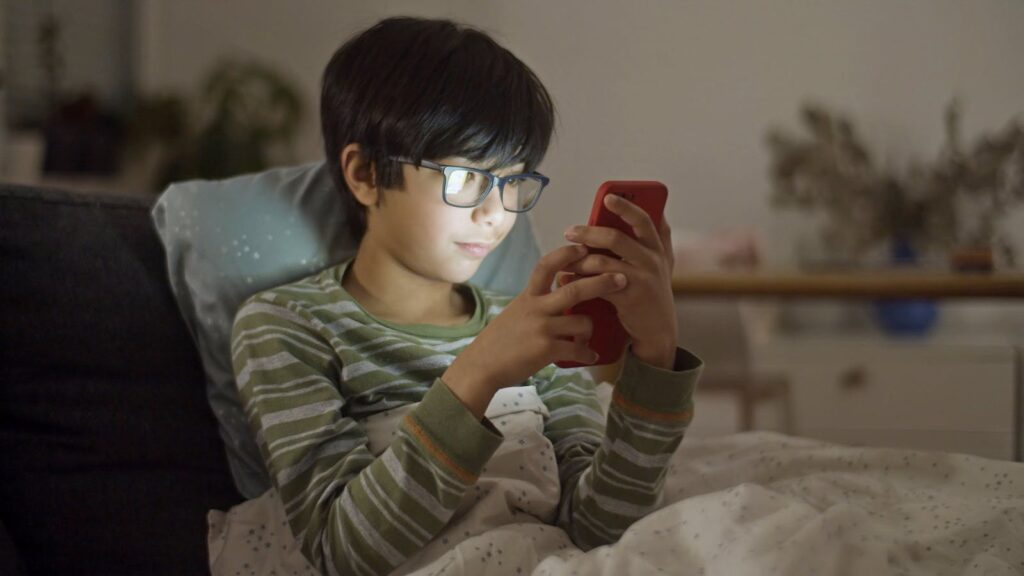
At family restaurants across the country, the glow of a tablet has become as common as the basket of fries. Parents are not just trading tips on the best kids’ menu anymore, they are clashing over whether handing a child an iPad at the table is smart survival or a slippery slope toward raising an “iPad kid.” The debate is emotional, heavily policed by strangers, and increasingly shaped by research on what all that screen time might mean for children’s brains and behavior.
Behind the viral arguments is a quieter reality: most caregivers are simply trying to get through a meal without a meltdown, a shattered plate, or a scene that ruins dinner for everyone nearby. The question is not whether screens exist in restaurants, but how families, diners, and even pediatric experts think they should be used.

The science, the etiquette, and the very loud iPad at the next table
Parents who bristle at tablets in restaurants often point to emerging research on how heavy screen use affects young children. One large study of Canadian preschoolers linked more screen time in early childhood to behavioral challenges a few years later, and broader work on kids’ media habits suggests that excessive digital use can interfere with attention and self regulation. Clinical overviews note that Over time, children who rely heavily on screens may struggle socially and show less engagement with caregivers, while Studies comparing children who watch less than or equal to one hour per day with those who log two or more hours have tied heavier use to weaker vocabulary. Critics argue that when a child is absorbed in a tablet at dinner, they are missing chances to practice patience, conversation, and basic manners that only real life can teach.
Etiquette complaints are just as fierce. Diners describe evenings ruined by a cartoon blaring at “jackhammer volume,” a frustration captured in one advice column where the writer notes that Your real issue might be volume, not the device itself. In one viral family dust up, Many commenters said the real offense was not that a toddler watched a show, but that everyone else had to hear it. Even some parents who use screens admit that if a child’s iPad is blasting “Cocomelon” across the dining room, the problem is no longer just a family’s private coping strategy.
Parents under pressure, kids under the table, and what experts now recommend
For caregivers, the picture is more complicated than a simple yes or no to screens. One widely shared post insists that Letting a child use an iPad does not make someone a lazy parent, it makes them a parent in 2026, juggling work, childcare, and public expectations that kids be seen but not heard. Restaurant veterans echo that reality, with one worker explaining that from their perspective, it is increasingly common to see groups of tweens and teens each locked into a device, and that neither banning screens nor ignoring them helps children learn to manage boredom unless adults actively practice coping skills with them. Parents of toddlers describe a Catch 22, as one essayist puts it, where taking a child under six out to eat is a Catch between staying home forever or risking a public meltdown.
Experts are also shifting how they talk about screens. The American Academy of Pediatr has been cited in a New report saying that time limits alone are no longer enough, and that families should focus on what children watch and how adults talk with them about it. A related summary notes that American Academy of, or AAP, now emphasizes shared viewing and conversations about content. Earlier guidance from American Academy of already encouraged parents to create media plans that protect sleep, play, and in person connection, and those principles are increasingly being applied to the dinner table.
“iPad kids,” public shaming, and what a middle ground might look like
Online, the phrase “iPad kids” has become shorthand for children who seem fused to a screen, and some commentators argue that this culture should end. One opinion writer insists that it is important to be mindful of how screens are used and ensure they do not replace other key activities, stressing that Ultimately everything is about balance. Another essay bluntly declares that We should abolish iPad kids, reflecting a frustration teachers and caregivers share when they describe students who cannot get through a lesson without a device. A former educator, citing classroom experience, notes that Unsurprisingly, emerging research links heavy digital media use in adolescents to changes in brain function, which fuels fears that restaurant screens are just the beginning of a larger dependency.
Yet the backlash can be harsh. In one widely discussed exchange, a social media user titled their post Letting your kid use an iPad does not make you a lazy parent, pushing back on strangers who equate any screen with neglect. Another viral moment came when a You Don style response from a Mom about how to keep a toddler still at a restaurant, essentially “you do not,” split commenters, with some praising the Blunt Reply and others insisting parents simply need more discipline. Coverage of that Toddler Restaurant Issue noted that the clip drew strong engagement and highlighted how little grace families with young children are given in public spaces, even when they are trying to avoid disturbing others.
More from Decluttering Mom: