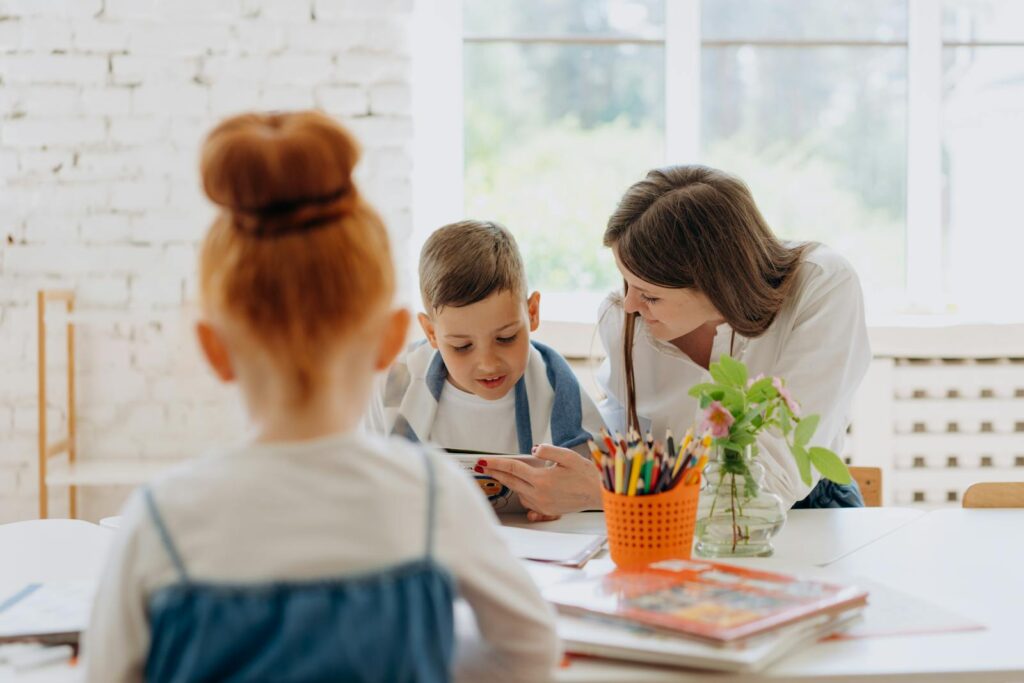
Gentle parenting was supposed to be the antidote to yelling, spanking, and “because I said so.” Now, as it dominates TikTok feeds and playground debates, more parents are quietly asking if the pendulum has swung too far in the other direction. The promise of calm conversations and deep empathy is colliding with real-world mornings where a pair of socks can derail the whole day.
Across group chats and parent forums, the argument is no longer whether kids deserve respect, but whether adults are allowed to be in charge. The new fault line runs between those who see gentle parenting as a humane reset and those who feel it has morphed into a high-pressure script that leaves caregivers exhausted and kids confused about limits.
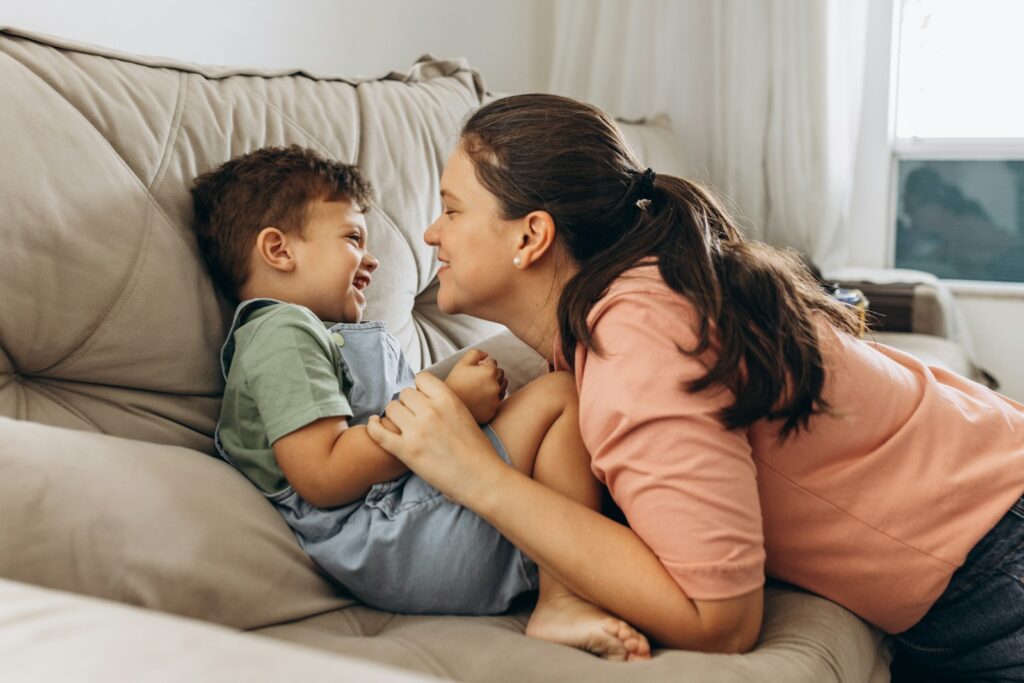
How Gentle Parenting Took Over Family Life
At its core, gentle parenting is built on empathy, connection, and respect, with parents trying to understand the feelings behind a child’s behavior instead of reacting to the behavior itself. It grew out of research that linked warm, responsive caregiving to better emotional regulation and long term mental health, and it landed at exactly the moment social media made every meltdown a potential lesson in “co-regulation.” In that environment, it was easy for the style to be framed as the morally superior choice, especially as more families tried to move away from harsh discipline and toward what some experts now call an “empathy and limits” approach that blends warmth with clear boundaries, a shift captured in recent coverage of Top Parenting Trends.
As the language of “big feelings” and “holding space” filtered into everyday parenting, the expectations on caregivers quietly ballooned. Parents were no longer just responsible for getting kids dressed and out the door, they were also supposed to narrate every transition, validate every emotion, and never raise their voice. One widely shared account described how a simple choice between socks spiraled into tears and paralysis, with the parent later admitting that “this approach did not lead to a decision,” a snapshot of how the most idealistic version of gentle parenting can stall out in the chaos of real life, as detailed in reporting on why gentle parenting is.
When Empathy Starts To Feel Like Pressure
For a lot of families, the problem is not the values behind gentle parenting, it is the way those values get turned into rigid rules. Parents describe feeling like failures if they snap after the fifth reminder to put on shoes, or if they say a firm “no” without a mini TED Talk about nervous systems. One study of self-identified gentle parents found that over 40% of them teeter toward burnout and self doubt, especially when they feel they are doing everything “right” and still not seeing results.
That pressure is colliding with a broader reset in how families think about discipline. Some parenting coaches now talk about “authoritative parenting 2.0,” where adults shift from micromanaging behavior to helping kids build self regulation skills, a trend that has been highlighted in recent Jan discussions about modern discipline. The idea is not to abandon empathy, but to stop treating parents like emotionless robots who must calmly negotiate every boundary. Instead, the focus is moving toward clear expectations, natural consequences, and a little more grace for imperfect caregivers.
Is Gentle Parenting Actually Too Gentle?
Part of the current backlash comes from a basic misunderstanding: many critics assume gentle parenting means kids run the show. In reality, psychologists place it under the broader “authoritative” style, which is both firm and kind, with Gentle approaches emphasizing connection while still holding limits. Therapists who work with middle school families stress that the goal is to foster emotional intelligence and trust in a safe, structured environment, not to erase rules altogether, a distinction that is often lost when the style is reduced to a few viral clips, as explained in guidance on the gentle parenting vs..
Still, some commentators argue that even when done “right,” the philosophy can slip into overaccommodation. One critique warns that when gentle parenting is attempted without consistency, kids may become poorly behaved and struggle to regulate their emotions, leaving them unprepared for “living in the real world,” a concern spelled out in a piece bluntly titled that When gentle parenting can be a disservice. Other experts caution that if parents focus too intensely on monitoring their own emotional state, they may actually interfere with a child’s ability to develop empathy, since kids also need to learn that the world will not always accommodate their feelings, a tension explored in research on Critics of the approach.
The Culture War Around “No”
Gentle parenting has also become a proxy battle in the broader culture war over what kids “these days” are like. Some commentators trace the backlash to a moment In March when The New Yorker published a widely discussed piece titled The Harsh Realities of Gentle Parenting, arguing that the style can be overly idealistic and hard to sustain. That critique has since been picked up by commentators who see gentle parenting as part of a broader trend of adults being afraid to say “no,” a concern echoed in later analysis that revisited how, In March, The New Yorker piece helped fuel a narrative about parents ditching the approach.
Parents themselves are split on whether the criticism is fair. Some argue that people perceive gentle parenting as “soft” simply because it rejects yelling and spanking, even though it still expects kids to take responsibility, a point raised in coverage asking why the idea is so upsetting to others. Others say the online version of the philosophy has drifted into something closer to permissiveness, where “no” becomes a bad word and every boundary is up for negotiation, leaving teachers, grandparents, and even babysitters to deal with kids who are not used to hearing firm limits from any adult.
What Comes After Peak Gentle Parenting
All of this is happening as parenting trends shift yet again. Analysts tracking family culture say that after peaking in 2025, gentle parenting is losing ground, especially among younger caregivers who are experimenting with more consequence focused styles. Some Gen Z caregivers are gravitating toward a bluntly named “FAFO” approach, short for “find out” what happens when you ignore clear rules, which leans on natural repercussions rather than endless negotiation, a shift described in recent coverage of the end of gentle parenting. At the same time, trend watchers note that Parents are increasingly stepping away from strictly “gentle parenting,” with Gen caregivers looking for a middle path that prioritizes connection but also respects their own limits.
More from Decluttering Mom: