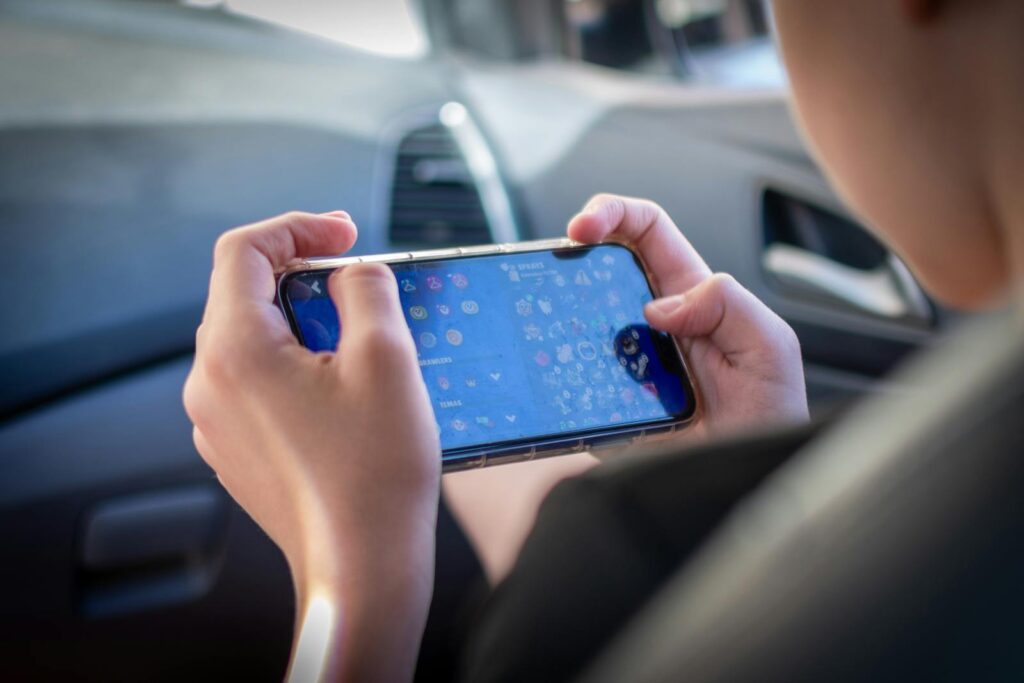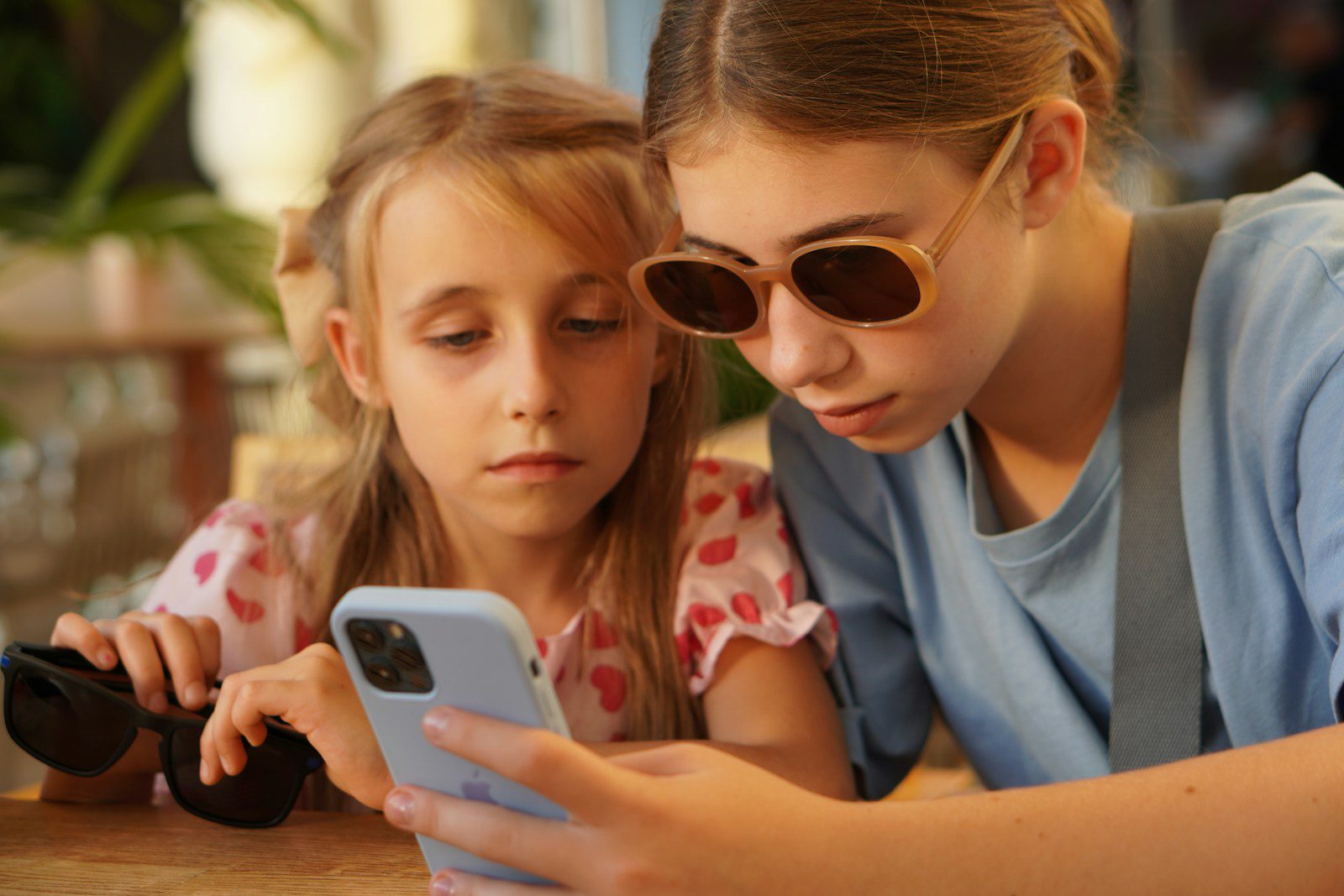
Across kitchen tables and school parking lots, parents are quietly waging one of today’s most emotional family debates: whether an elementary schooler really needs a smartphone before middle school. The question is no longer abstract, it is playing out in group texts, PTA meetings, and among kids who see classmates scrolling TikTok on the bus while they are still borrowing a parent’s flip phone.
What is emerging is not a neat consensus but a widening gap between families who see early phones as a safety tool and social lifeline, and those who are convinced that waiting is an act of protection. The stakes feel high because the decision now comes with mounting research, organized campaigns, and even new laws that all point to one conclusion, timing matters.
Why the pressure to give kids phones is colliding with new research
Parents often describe the moment the phone debate starts as less a choice and more a tidal wave. By the time children approach middle school, the Pressure from kids can be intense, especially when “everyone else” in the class seems to have a device. Experts who work with families urge adults to step back from that social noise and look first at a child’s maturity, attention skills, and ability to follow rules before handing over a smartphone. They note that there is no magic birthday that flips a child from unready to ready, which is why guidance often centers on developmental readiness rather than a fixed age.
That individualized approach is echoed in broader advice that asks parents to weigh both benefits and risks. Some clinicians point out that phones can help kids stay in touch with caregivers and coordinate after school, yet they also warn that younger children are more vulnerable to online bullying, addictive games, and late night scrolling. One overview of the issue notes that experts increasingly encourage parents to think less about keeping up with peers and more about whether a child can handle social media, group chats, and the emotional fallout that can come with them.
At the same time, a growing body of research is making the case that earlier is not better. A large survey of nearly 2 million people in 163 countries found that Kids who used smartphones before age 13 reported worse mental health outcomes than those who started later. Separate work from a team at a major pediatric center reported that Children’s Hospital of in Childhood to an Increased Risk of in young people. Another Study found that Kids who had smartphones by age 12 faced higher risks of depression and obesity, and a separate report highlighted that girls who received a smartphone by age 5 or 6 reported the highest distress, a pattern flagged in coverage of a major study. Together, these findings are shifting the conversation from “Is my child left out?” to “What happens if we start this too early?”
The rise of the “wait until later” movement
In response to that research, a counterculture of parents is organizing around the idea that childhood should not be lived through a screen. One of the most visible efforts is The Wait Until 8th pledge, which encourages families to hold off on smartphones until at least eighth grade. According to the group’s own tally, There are more than 130,000 pledges across the United States, a sign that parents are looking for strength in numbers so their kids are not the only ones without a smartphone. The group’s media materials emphasize that Many experts, from child psychologists to internet safety leaders and even technology executives, now argue it is best to wait until a child is older before handing over a fully featured device.
The cultural momentum is visible well beyond pledge websites. A popular parenting roundup notes that Key trends for 2026 include a push, inspired in part by The Anxious Generation, to delay smartphones, restrict social media for kids, and prioritize offline play. On social media, local chapters share messages like “Happy New Year!! 2026 is a beautiful year to let our kids be kids! Sign our pledge today,” from accounts like waituntil8th_vabeach. In classrooms, educators like Bethany Barton are teaching kids how dopamine overload from their phone can leave them feeling angry, aggressive, and tired, giving children language to understand why constant scrolling does not feel as fun as it looks.
Policy is starting to catch up as well. In New Jersey, New Jersey Gov. Murphy signed a law requiring public schools to restrict the use of cellphones and other internet connected devices during the day, part of a broader wave of rules that limit how much time students can spend on screens in class. Researchers tracking school policies note that Banning smartphone use in schools has become a hotly debated topic nationally and internationally as educators confront the impact of constant notifications on learning. For parents, those moves can feel like backup, a signal that institutions are finally acknowledging what families have been wrestling with privately.
More from Decluttering Mom: