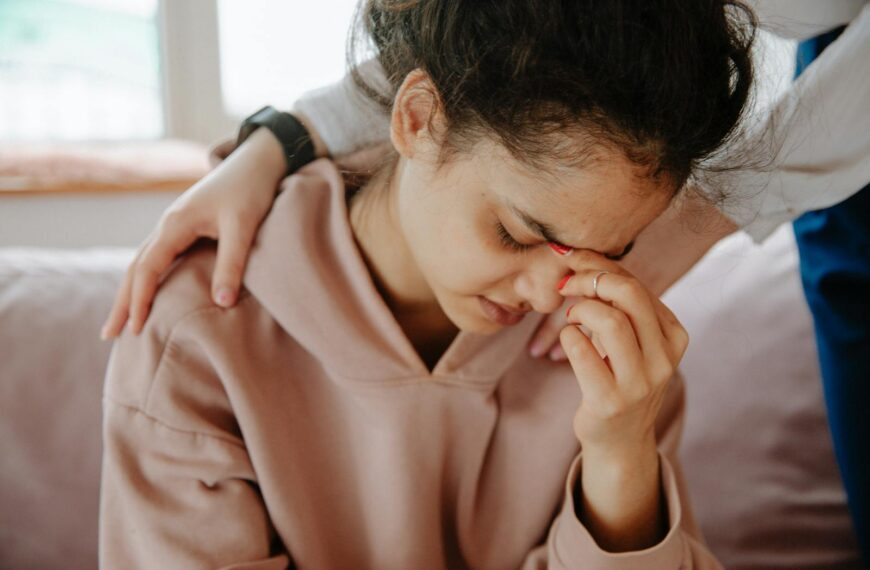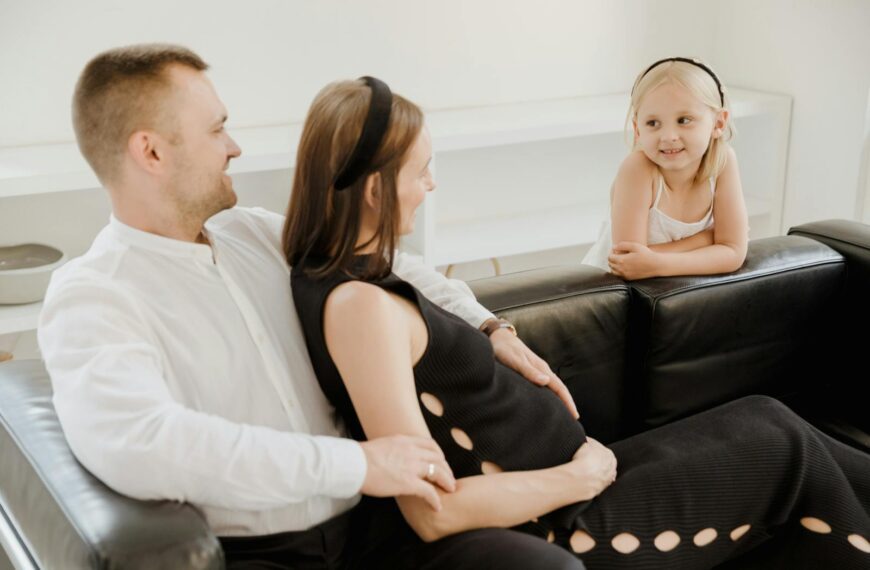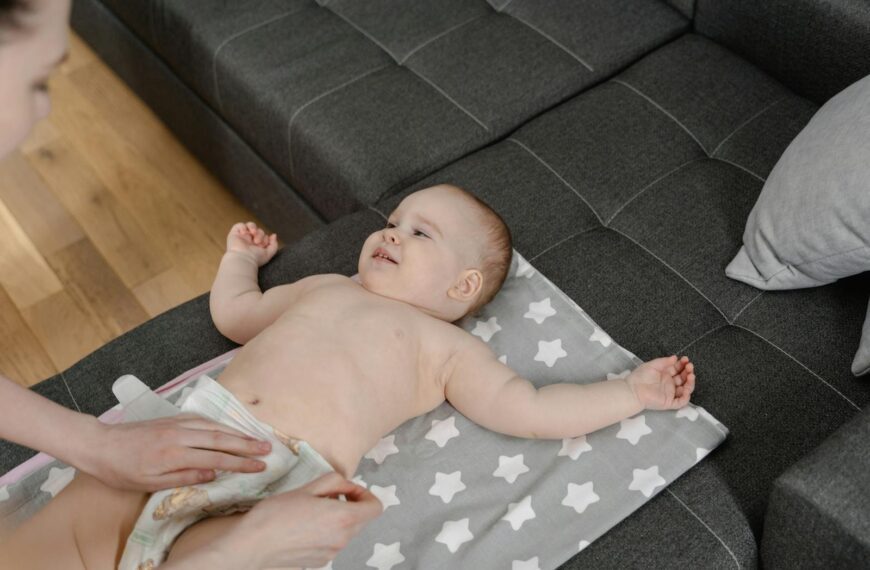
New parents are used to fielding a lot of opinions, but few topics light up family group chats quite like the “no kissing the baby” rule. One mom’s decision to stop her own parents from kissing her newborn, and the way she enforced it, has turned a private boundary into a very public debate about health, consent, and respect between generations. The reaction shows just how emotional it can get when a grandparent’s instinct to cuddle collides with a parent’s instinct to protect.
At the center of the storm is a first-time mom who says she is simply trying to keep her baby safe, while critics accuse her of going too far and “ruining” family bonds. Supporters see a parent drawing a clear line in a world of RSV, Covid and fragile infant immune systems. Detractors see a slap in the face, literally and figuratively, to grandparents who just want to show affection.
The viral “gentle reminder” that did not feel gentle
The flashpoint came when first-time parent Haeli Christiansen set a firm rule that no one, including her own mother, could kiss her newborn son. In a TikTok that quickly spread across platforms, Haeli lightly slapped her mom on the head as the grandmother leaned in toward the baby’s face, framing it as a “gentle reminder” not to kiss him. She has said she made the rule after learning more about how vulnerable infants are to viruses and other infections in the first weeks of life, and she wanted to avoid any contact with the baby’s mouth, nose, or eyes.
The clip of Haeli’s “gentle reminder” was picked up widely, with one report noting how the first-time mom “slaps” grandma who tried to kiss her newborn and made clear she did not want anyone kissing her baby at all, not even close relatives. Coverage of the viral video emphasized that she saw the tap as playful, but many viewers did not read it that way at all. For some, the move looked less like a joke and more like a public shaming of a grandmother whose reflex was to show love in the way she always has.
Outrage, support, and the “bad parent” label
Once the clip escaped the family chat and landed on big platforms, the reaction was immediate and intense. Commenters accused the first-time mom of humiliating her own mother and treating her like a threat instead of a caregiver. Some went further, calling her a “bad parent” and insisting that the emotional damage to the relationship would outweigh any small reduction in illness risk. Others argued that if she did not trust her own family to be around the baby, she should not invite them over at all.
In parallel, a separate discussion unfolded around another Mum who slapped her mother for trying to kiss her grandson, with critics again saying she was “ruining his life” and mishandling a basic family interaction. Experts quoted in that coverage suggested that while parents are entitled to set boundaries, the way those limits are enforced can either build trust or blow up into a power struggle. Another version of the story highlighted how Experts felt the parents’ response was worse than the attempted kiss itself, underscoring how quickly a health rule can turn into a character judgment in the court of public opinion.
Why doctors keep warning about kisses
Behind the drama is a quieter, less clickable reality: newborns really are medically fragile. Pediatric data shared with one parent named Peter explained that the main reason to avoid kissing very young babies, especially on the face, is the risk of spreading viruses when their immune systems are still immature. Respiratory bugs, cold sores, and other infections that barely slow down an adult can send a newborn to the hospital. That is why some pediatricians advise holding off on close-contact kisses until the baby is a bit older and has had time to build up more defenses.
Health guidance on specific infections is even more blunt. Official advice on neonatal herpes tells caregivers to Discourage anyone who is not a close family member or carer from kissing a baby at all, and says the safest place to kiss is on the top of the head, far from the mouth and eyes. One pediatric practice notes that The AAP, the American Academy of Pediatri, generally points to around three months as a safer point for close family kisses, since the likelihood of severe illness drops as the baby grows. Surgeons and infectious disease specialists have echoed that logic, with one warning that if the visitor really cares about the infant’s wellbeing, they should be fine showing affection in other ways, a point highlighted in a piece on Showing affection safely.
Grandparents, consent, and a new parenting script
For many grandparents, being told not to kiss a grandchild feels like a personal rejection, not a medical guideline. A widely shared clip showed a Mom gently pleading with a Grandma not to kiss the newborn on the head, explaining that it was about germs, not love. The conversation was calm, even tender, but the grandmother still struggled to understand why something that had always been seen as harmless affection was suddenly off-limits. That disconnect is at the heart of many family arguments: older relatives feel blindsided by new rules, while new parents feel ignored when their boundaries are brushed aside.
Other parents have tried to script these moments more deliberately. One viral post described a Mom Gently Reminds to kiss the baby, tying the rule not only to illness but also to teaching consent from day one. Supporters argued that if children grow up seeing adults ask before touching or kissing them, it normalizes bodily autonomy later. Critics countered that applying adult consent language to a sleeping newborn is overkill. Still, the idea that a “no kissing” rule can be about future boundaries as much as present germs has clearly resonated with a lot of young parents.
“Did you ever feel judged?”: parents push back online
As more of these clips circulate, parents are using social media to compare notes and vent. One creator asked bluntly, Did you ever feel judged for asking people not to kiss the baby, and the comments filled up with stories of relatives rolling their eyes, ignoring rules, or accusing new moms of being “dramatic.” Many said they were grateful when visitors simply said “thank you for telling me” and followed the parents’ lead. The emotional subtext is clear: parents are not just asking for compliance, they are asking to be trusted as the decision-makers for their own child.
That tension was also visible when a first-time mom received backlash for saying she does not let her mom kiss her newborn, a debate amplified in a thread that ranged from “Avoid the mucus membranes” to laments about what a “sad world we live in.” Some grandparents insisted they could be trusted, while parents of immunocompromised babies described how strict rules were non-negotiable. The divide was not just about science, it was about whether older generations felt accused of being “filthy” or careless when they had raised children themselves.
More from Decluttering Mom: