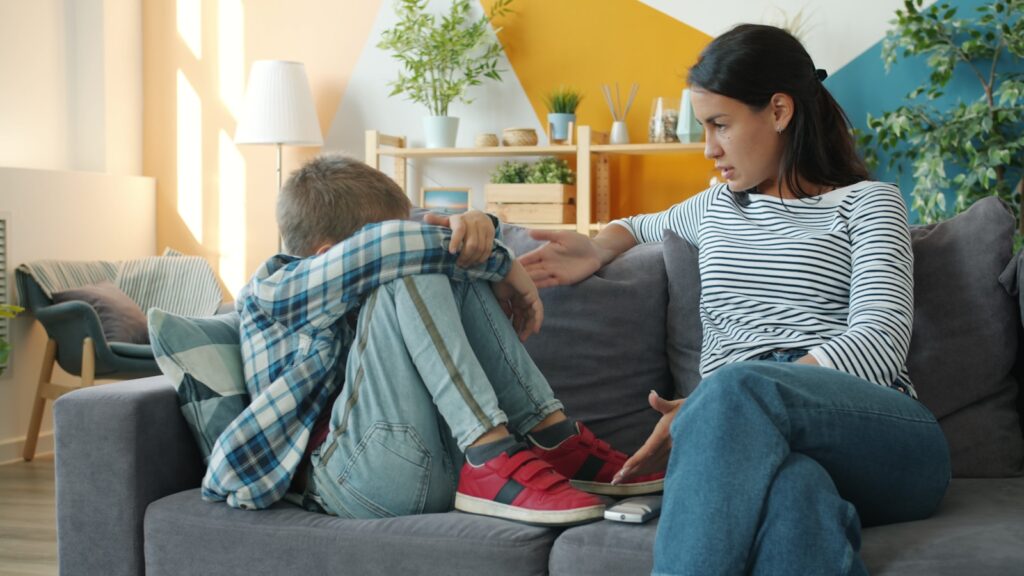
Across the country, parents are discovering that sending a child to class now comes with an expanding list of expectations that reach far beyond lunch money and permission slips. From strict social media rules to hyper specific homework policies, families say some school demands feel less like safety measures and more like micromanagement of home life. The result is a growing clash between institutional control and parents who are increasingly vocal about what they see as the weirdest rules schools expect them to follow.
Many of these policies are rooted in real concerns about online predators, political polarization, and post pandemic behavior, yet the way they land in living rooms can be jarring. As new laws and local directives pile up, parents are left sorting out which rules genuinely protect children and which simply add another layer of stress to already complicated school years.
When “Back‑to‑School” Photos Become a Safety Risk
For many families, the first day of school starts with a photo on the porch and a quick upload to Instagram or Facebook. Increasingly, however, parents are being told that this simple ritual is risky, and some schools now circulate guidelines that read more like operational security briefings than welcome letters. Law enforcement in WASHINGTON has warned that those cheerful signs listing a child’s name, grade, teacher, and future dream job can give predators a detailed profile, with one report from TND describing how a sign that says a child wants to be a doctor like his mother can unintentionally reveal family routines and locations. Parents say they are now being asked to crop out school logos, blur bus numbers, and avoid posting in real time, turning what used to be a carefree moment into a mini risk assessment.
Digital safety experts echo those concerns, urging families to strip out identifying details from images and captions. One Kansas City area parent explained that she has Recently changed how she shares those moments after learning about predators using artificial intelligence to scrape and combine data from multiple posts, advice that includes suggestions to list only a child’s grade instead of full name or school on back to school boards, according to guidance shared with parents where She was interviewed. In South Africa, similar warnings have gone further, with POLICE issuing public alerts that explicitly WARN PARENTS AGAINST SHARING SCHOOL related photos on social media because detailed uniforms, badges, and visible street signs can expose children to online predators, a message amplified in a viral post that urged PARENTS to think twice before SHARING any SCHOOL images at all through a campaign shared by local POLICE.
Zero‑Tolerance Phone Policies That Follow Kids Home
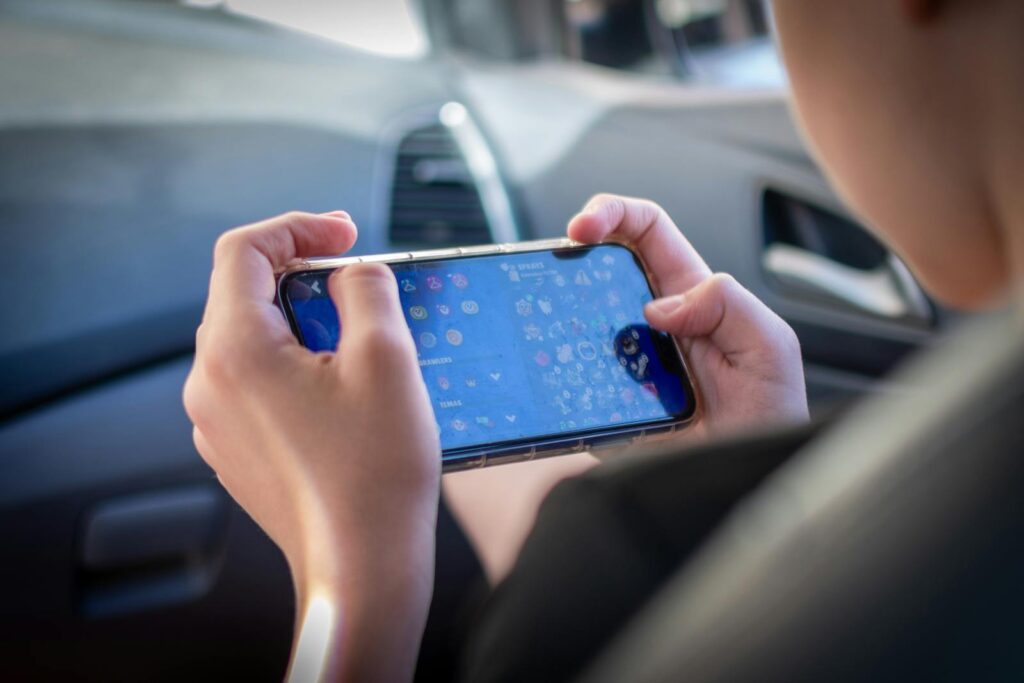
If there is one rule parents say dominates modern school life, it is the crackdown on smartphones. In California, new statewide measures are reshaping what students can do with their devices, and by extension what parents can expect during the day. One overview of Eleven new laws that will impact California schools notes that California students are likely to see fewer cell phones and more restrictions on when devices can be used, with districts encouraged to keep phones out of reach during instruction to curb distraction and bullying, a shift detailed in coverage of Eleven education measures. Parents say that in practice, this can mean phones must be powered off and locked in pouches from the first bell until dismissal, leaving families unable to reach children directly even in minor emergencies.
Other states are going further by targeting the apps themselves. In North Carolina, a new law requires school districts to adopt policies that prevent students from accessing social media platforms on school devices and networks, effectively blocking apps like TikTok and Instagram whenever a child is connected to campus Wi‑Fi, according to a detailed breakdown of the North Carolina mandate that takes effect on 1, 2026 and obliges districts to keep social media off school devices and networks, a requirement summarized in a report on North Carolina. In one large district, a back to school video explained that during the instructional hours this year, with the pass of the new legislation, cell phones are required to be off and away, so teachers are instructed to confiscate devices that appear even briefly, a policy spelled out in a CMS update shared in Aug. Parents who once texted children about pickup changes now find themselves navigating front office phone trees instead, and some say the rules feel less like classroom management and more like a demand that families surrender their own communication habits.
Homework, Snacks, and the Micromanaged Home
Beyond screens, families are also grappling with school rules that reach into the most ordinary parts of home life, from snack time to bedtime. Online, adults swap stories about growing up with odd household expectations, like a Reddit user who recalled that You could have an afternoon snack at 3:30 sharp, and if you missed 3:30 (like 3:35) you were SOL, a level of precision that now feels familiar to parents handed multi page homework and nutrition contracts, as described in a widely shared Aug thread. When schools dictate that only certain brands of crackers are allowed, or that reading logs must be signed in blue ink every night, parents say the line between school expectations and family autonomy starts to blur.
Some of the most extreme examples come from parents themselves, who respond to school pressures by creating elaborate home rulebooks. A viral compilation of 50 People Share The Strangest Rules Their Parents Ever enforced includes stories of children banned from finishing the last drop of milk or required to follow arbitrary rituals before watching television, illustrating how adults sometimes overcorrect in the name of structure, a pattern captured in a feature where Most of the anecdotes show rules that started as safety or courtesy and drifted into the absurd. Today, parents say school demands can have a similar mission creep, with reasonable goals like encouraging sleep morphing into detailed instructions about when lights must be out or how many extracurriculars a child may join, all framed as requirements for academic success.
Dress Codes, “Feral” Kids, and Behavior Contracts
As the 2025‑2026 school year got underway, social media was filled with memes about the so called feral pandemic babies heading into kindergarten, a joking reference to children who spent their early years in lockdown and are now adjusting to classroom norms, a trend captured in a post that opened with the phrase As the 2025‑2026 school year got underway and described this unique group of kids entering school together, shared by a parenting network on As the. In response, some schools have tightened behavior codes, sending home contracts that require parents to agree to daily point systems, mandatory eye contact, or even scripted apologies for minor infractions. Families say these documents can read like probation terms for five year olds, and they worry that normal childhood restlessness is being pathologized.
Dress codes are another flashpoint, especially when they extend into what children wear on the way to and from campus. Teachers have shared examples of Craziest School Rules that forbid staff from sledding with kids at recess or ban certain colors of socks in the name of uniformity, anecdotes collected in a list of Craziest School Rules that also includes bans on hugging and restrictions on when students may use the restroom. Parents say that when a child is written up for wearing the wrong shade of navy or for playing in the snow with a teacher, it becomes hard to trust that disciplinary systems are focused on genuine safety rather than cosmetic control.
Politics in the Classroom and the Role‑Model Ban
Few school rules inflame parents faster than those that appear to police political beliefs. In Kansas, a complaint filed with federal officials alleges that Students were told they could not name Trump or Charlie Kirk as their role models for a class assignment, a directive that reportedly came after pupils tried to list the current president and the conservative activist on a project about personal heroes, according to a detailed account that described how Students in Kansas were instructed to avoid Trump and Charlie Kirk on their papers, a situation summarized in a report that opened with the word Close and quoted a student in the case, as outlined in coverage from Close. Parents who support the president argue that such rules amount to viewpoint discrimination, while others worry that any political idol, regardless of party, can polarize classrooms.
These tensions are unfolding as state legislatures rewrite the boundaries of parental authority in education. In Hawaii, a measure known as HI HB1193 updates multiple statutes to align with a new parental rights framework, with bill language explaining that It (The bill) also makes numerous technical amendments to update references in existing state laws to align with the new parental rights provisions and to apply the new law to proceedings that began before its effective date, a scope described in the official summary of HI HB1193. Supporters say such laws give families more leverage when they object to classroom content or perceived ideological bias, while critics warn that they can pressure teachers to avoid any discussion of current events, leaving students less prepared to navigate a politically divided world.
Parents Pushed to Police Devices and Privacy
Even as schools clamp down on phones during the day, many are simultaneously urging parents to become full time monitors of their children’s digital lives at home. One parenting influencer, Laura Bentley, sparked debate with a video in which she responded to the question, “But what about their privacy!?” by insisting that if you have a pre teen or younger teen, they do not NEED privacy with their devices, arguing that parents should know passwords, read messages, and treat phones as shared family property, a stance she laid out in a clip that repeated the words But and NEED while dismissing the idea that unsupervised screen time is a right, as seen in her Sep reel. Schools often echo this message in digital citizenship nights, telling parents that any expectation of privacy on a device is incompatible with safety.
At the same time, new laws are reshaping how much responsibility parents bear for what happens when children skip class or misuse technology. A California overview of 11 new laws that will impact schools quotes advocates who argue that “Criminalizing parents for their children′s truancy ignores the root causes of absenteeism and only deepens family hardships,” while also noting that cellphone use is set to be limited on campuses, a combination that leaves families feeling both blamed and constrained, according to a summary that highlighted the word Criminalizing and detailed how cellphone use is to be limited in schools, as reported in the Criminalizing debate. Parents say they are being told to surveil their children’s online behavior, ensure perfect attendance, and enforce school tech rules at home, all while having less say in how those rules are written.
Influencer “House Rules” That Compete With School Demands
As schools tighten expectations, some parents are responding by publicizing their own strict house rules for the academic year, creating a parallel set of demands that children must juggle. One widely discussed example came from Gopalon, a mother who shared a list of “controversial” school year rules for her kids, including a second rule that she says is aimed toward teaching her children responsibility: “You have to pack everything that you need,” a directive that means no one will rescue a forgotten lunch or homework, a philosophy she explained in a video where she repeated the phrase You have to pack everything that you need and framed it as preparation for adulthood, as recounted in a profile of Gopalon. When schools simultaneously impose their own detailed checklists, children can feel caught between two unforgiving systems, each insisting that forgotten items are a moral failing rather than an inevitable part of growing up.
Legal Fine Print and the New Era of School Compliance
When Parents Say “Enough”
More from Decluttering Mom: