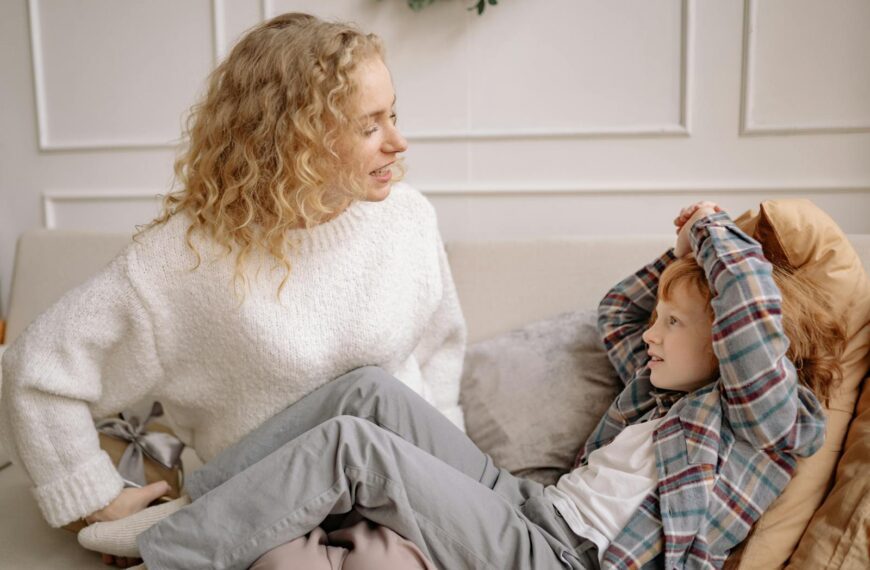
When couples contemplate expanding their family, they wrestle with financial calculations, spacing between siblings, and career impacts. But lurking beneath these practical considerations is a question many parents feel guilty even thinking: can one adult actually handle two kids alone, or is that just wishful thinking? This concern shapes decisions about whether to have another baby more than most people admit.
The honest answer is yes, one adult can watch two children, but the experience varies dramatically based on factors like age gaps, temperament, and available support systems. Parents who’ve made the leap report that while it’s manageable, the reality often looks different than they imagined. The romanticized vision of peacefully juggling two little ones doesn’t always match up with the chaos of simultaneous meltdowns and competing needs.
Deciding whether to have another baby involves weighing multiple dimensions of readiness, from mental health to logistics. The question of solo parenting two kids sits at the intersection of all these concerns, forcing prospective parents to confront both their capabilities and their fears about what daily life will actually look like when outnumbered.
The Realities Of Parenting Two Children: Is Solo Supervision Possible?
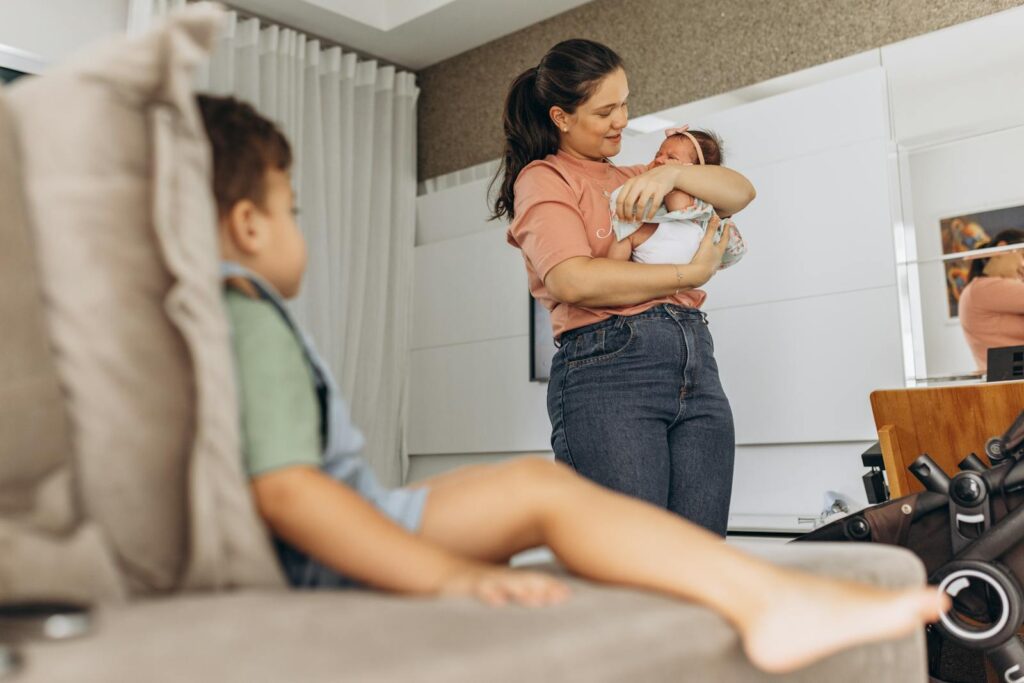
Parents considering a second child often wonder if one adult can actually handle both kids without backup, and the answer depends heavily on age gaps, individual temperaments, and the parent’s tolerance for controlled chaos.
What To Expect When Managing A Newborn and A Toddler
The early days after having a second child present a unique challenge that catches many parents off guard. A newborn requires constant feeding, diaper changes, and soothing while the older sibling still needs supervision, meals, and engagement. Most parents find themselves developing a rotation system where the baby sleeps in a carrier while they help the toddler with activities, or the toddler watches television during nursing sessions.
The physical demands multiply quickly. Parents report carrying a baby in one arm while preventing a toddler from climbing furniture with the other. Nap schedules rarely align at first, meaning true breaks become nearly impossible. Many discover that managing both children alone is feasible for several hours, but all-day solo supervision requires strategic planning around feeding times and rest periods.
Common Myths About Watching Two Kids Alone
A widespread belief suggests that having another baby becomes easier because parents already know what they’re doing. Parents with two children quickly learn this isn’t accurate. Each child brings different needs, and managing two sets of demands simultaneously creates complications that experience alone can’t solve.
Another myth claims that sibling relationships keep kids entertained while parents handle other tasks. In reality, newborns offer zero companionship to toddlers for months. The fantasy of children playing together while a parent completes household chores doesn’t materialize until much later.
Some assume that growing your family means doubling the workload in a linear fashion. Parents discover the workload actually compounds because needs overlap and conflict—both kids needing something urgently at the same moment becomes a daily occurrence.
Dividing Attention And Navigating Sibling Needs
The question of fair attention distribution surfaces immediately after a second pregnancy results in a new family member. Toddlers notice when parents spend extended time feeding or changing the baby. They respond by demanding more attention, acting out, or regressing in behaviors like potty training.
Parents find themselves constantly prioritizing which child’s need is more urgent. A crying newborn usually wins over a toddler requesting a snack, creating resentment in the older child. The challenge intensifies when both children have legitimate needs simultaneously—a hungry baby and a toddler who needs help in the bathroom create impossible choices.
Most parents managing both kids alone develop a triage system based on safety first, then urgent physical needs, then emotional needs. They learn to feed the baby while reading to the toddler, or change diapers while answering endless questions. The supervision is possible, but it requires accepting that neither child receives undivided attention for extended periods.
Key Concerns When Deciding To Have A Second Baby
Parents weighing whether to expand their families grapple with questions about their own emotional bandwidth, the shadow of previous pregnancy experiences, and whether their family feels complete as it stands.
Emotional Readiness And Parental Capacity
When parents ask themselves “should I have another baby,” they’re often really asking whether they have enough emotional energy left after caring for their first child. Mental health professionals point out that a new baby shifts every routine, relationship, and resource in the household.
The question isn’t just theoretical. Parents already know what sleep deprivation feels like and how much attention a baby demands. They’re measuring that knowledge against their current stress levels and mental health status.
The decision becomes more complex because parents actually understand what they’re signing up for this time. That awareness can feel both clarifying and overwhelming. Some parents describe feeling torn between wanting another child in the abstract and dreading the immediate reality of newborn care.
Mental Health, Postpartum, and Birth Trauma Factors
Parents who experienced postpartum depression or birth trauma face additional layers of consideration. Those previous experiences don’t automatically predict what a second pregnancy will bring, but they create legitimate concern.
Experts note that having an existing mental health condition doesn’t mean pregnancy will automatically worsen it, but the possibility exists. Parents on medications like SSRIs have to decide whether to continue treatment during pregnancy.
The memory of a difficult birth or postpartum period can loom large in the decision-making process. Some parents find themselves wanting another child while simultaneously feeling anxious about reliving traumatic aspects of their first experience. These aren’t concerns that fade with reassurance—they require honest assessment of current support systems and medical care options.
Long-Term Family Dynamics And The One-And-Done Debate
The one and done movement has given parents permission to consider whether their family already feels complete. This isn’t about choosing the easy path—it’s about matching family size to capacity and desire.
Parents considering large families often imagine holiday gatherings and sibling relationships decades in the future. Those long-term visions can pull against the immediate exhaustion of early parenting. One mother described picturing herself with three children in five years while finding the thought of pregnancy and postpartum “daunting.”
The sibling relationship itself becomes part of the equation. Parents wonder how their first child will handle no longer being the center of attention. They consider whether providing a sibling constitutes a good enough reason to have another baby, or whether that places unfair expectations on both children.
More from Decluttering Mom: