
A video from the account seattlehanddoc shows a couple cooking through a full tournament weekend’s worth of meals in one session, captioned “Inspired by @nordstrom’s famous tomato soup… when sports are dominating the weekend. We make an effort to get food the girls love at the ready.” The post lays out the entire plan in detail: two sheet pans of roasted tomatoes, carrots, shallots, and garlic that become the base for three separate dishes, roasted tomato basil soup with garlic butter crostini, tomato burrata rigatoni with crispy pancetta, and roasted chicken thighs over potatoes finished under the broiler. Tagged #mealprep, #femaleathlete, and #highschoolsports, the post pulled in 360,000 likes, 2,923 comments, and 2,141 saves.
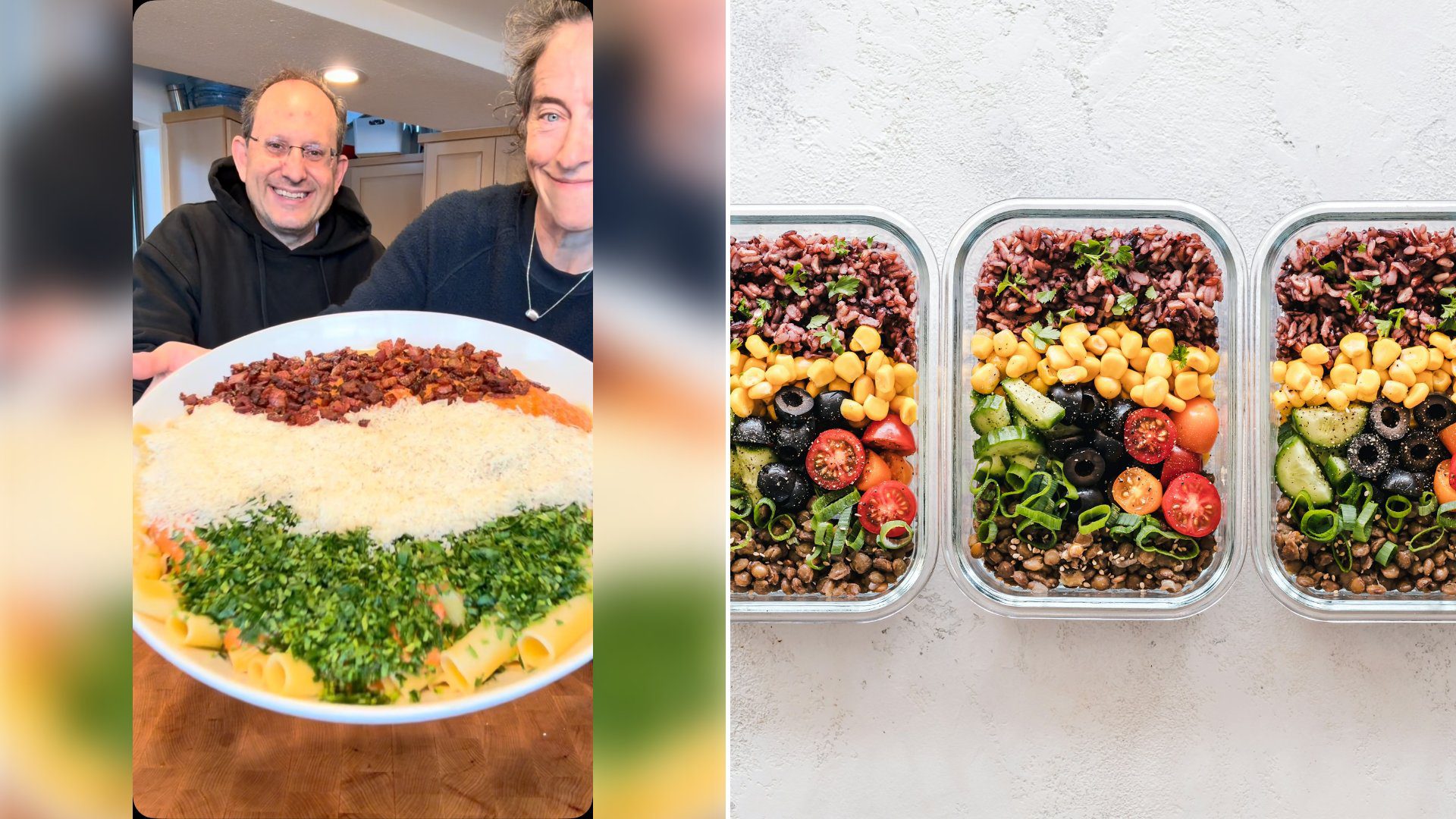
Batch-cooking multiple meals ahead of a packed weekend is a genuinely efficient strategy, but USDA food safety guidance has specific rules about the window between cooking and refrigerating that matter more with a big cooking session than with a single dinner. Cooked food needs to go into the refrigerator within two hours of coming off the heat, or within just one hour if the room is warmer than 90°F, since bacteria multiply rapidly in what the USDA calls the “danger zone” between 40°F and 140°F. For a cook-once, eat-over-several-days setup like this one, that means getting dishes like the soup and the chicken and potatoes cooled and stored promptly after each one finishes, rather than letting a finished dish sit out on the counter while the next one is still cooking.
Cooling speed also matters for food prepped in bulk. The USDA recommends dividing large batches into shallow containers, and cutting larger items into smaller pieces, specifically because a big pot of soup or a full tray of chicken cools far too slowly as one mass to get safely out of the danger zone within that two-hour window. Portioning the tomato soup into individual containers right after it’s blended, rather than refrigerating the whole pot at once, is a small step that meaningfully reduces that risk.
Once refrigerated, USDA guidance puts leftovers and prepped meals at three to four days before they should be eaten or frozen, with reheating brought all the way to 165°F, checked with a food thermometer rather than guessed by eye, and soups and sauces specifically brought to a full rolling boil. For a tournament weekend where these three dishes might be eaten in rotation across several days between games, that storage window is worth tracking, a dish made on Thursday night is approaching the edge of safe storage by Sunday or Monday, exactly the point in a long sports weekend when everyone is most likely to be running on autopilot and least likely to double-check dates.
More from Decluttering Mom
- Mom of Two Opens Her Three Car Garage on a Doom Pile of Boxes, Finds Diapers From a Subscription Still Running and a Sauna Boxed for a Year, Then Clears Enough to Park Inside
- Woman Says She Came Home From a Cleaning Service Visit to a Gas Burner Left On With No Flame, Then Found Her Purse, Tax Documents and Real Silverware in Two Garbage Bags Downstairs
- Homeowner Whose Husband Said He Could Not See the Garage Floor Hauls Out Four Years of Stuff, Patches and Paints One Wall White, Then Hangs Bikes, Helmets and a Vacuum on Rails

