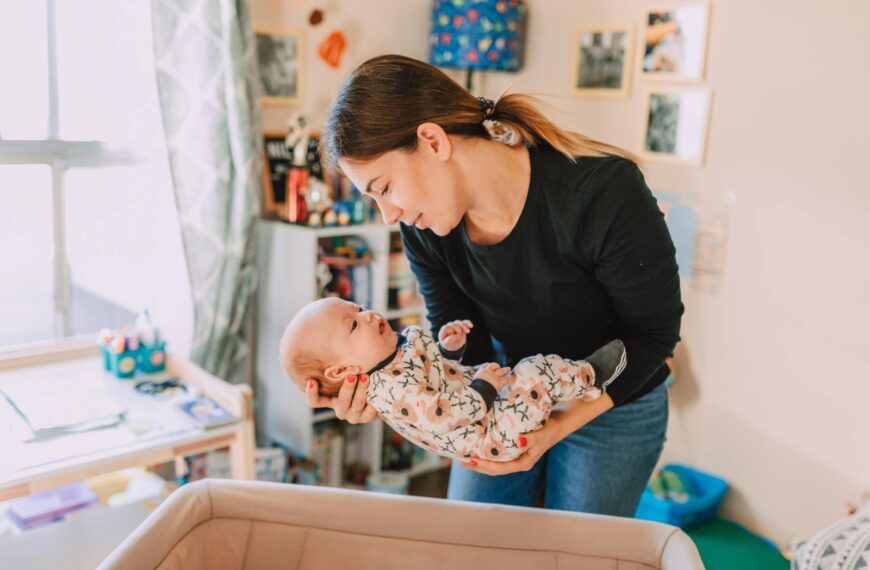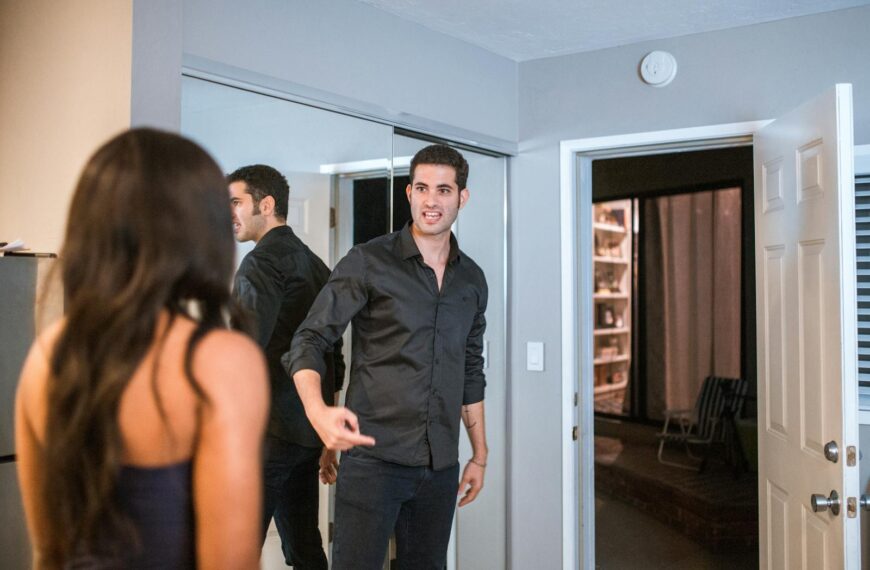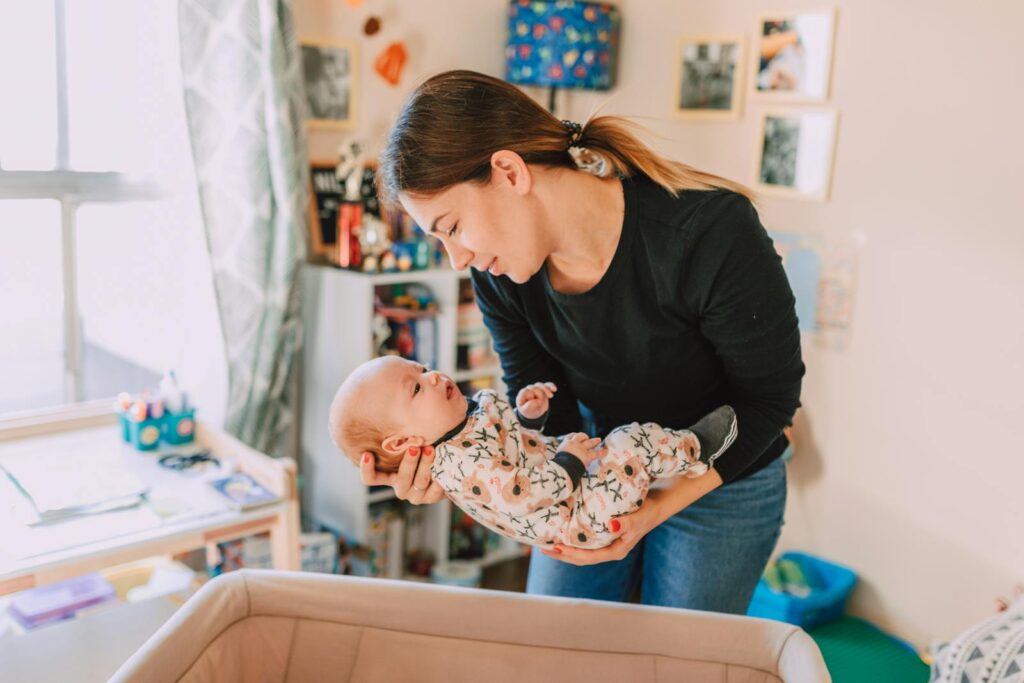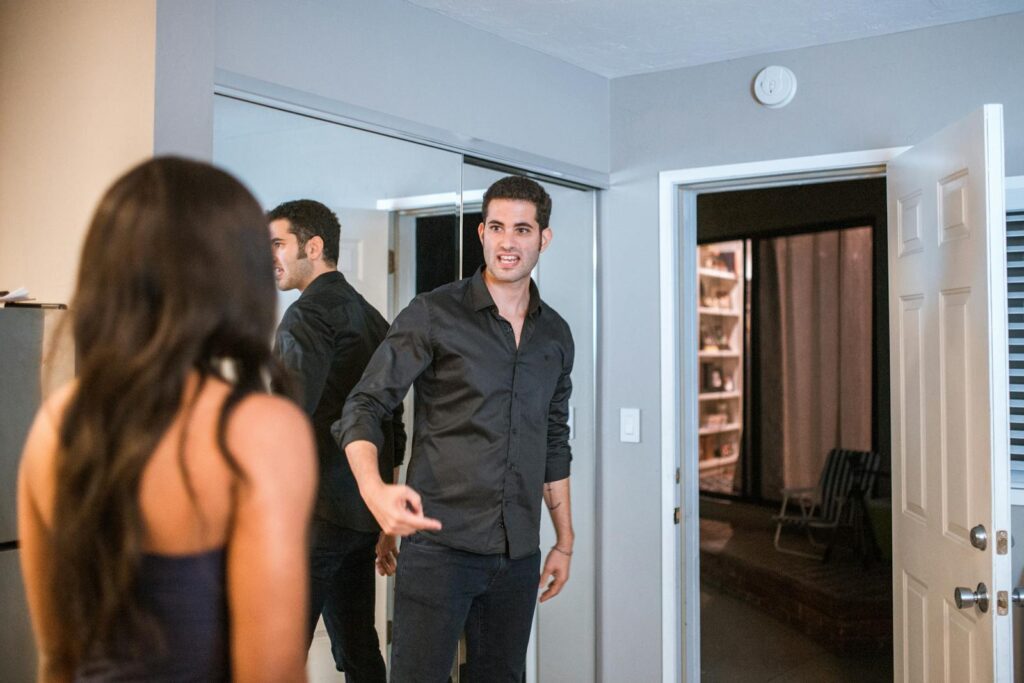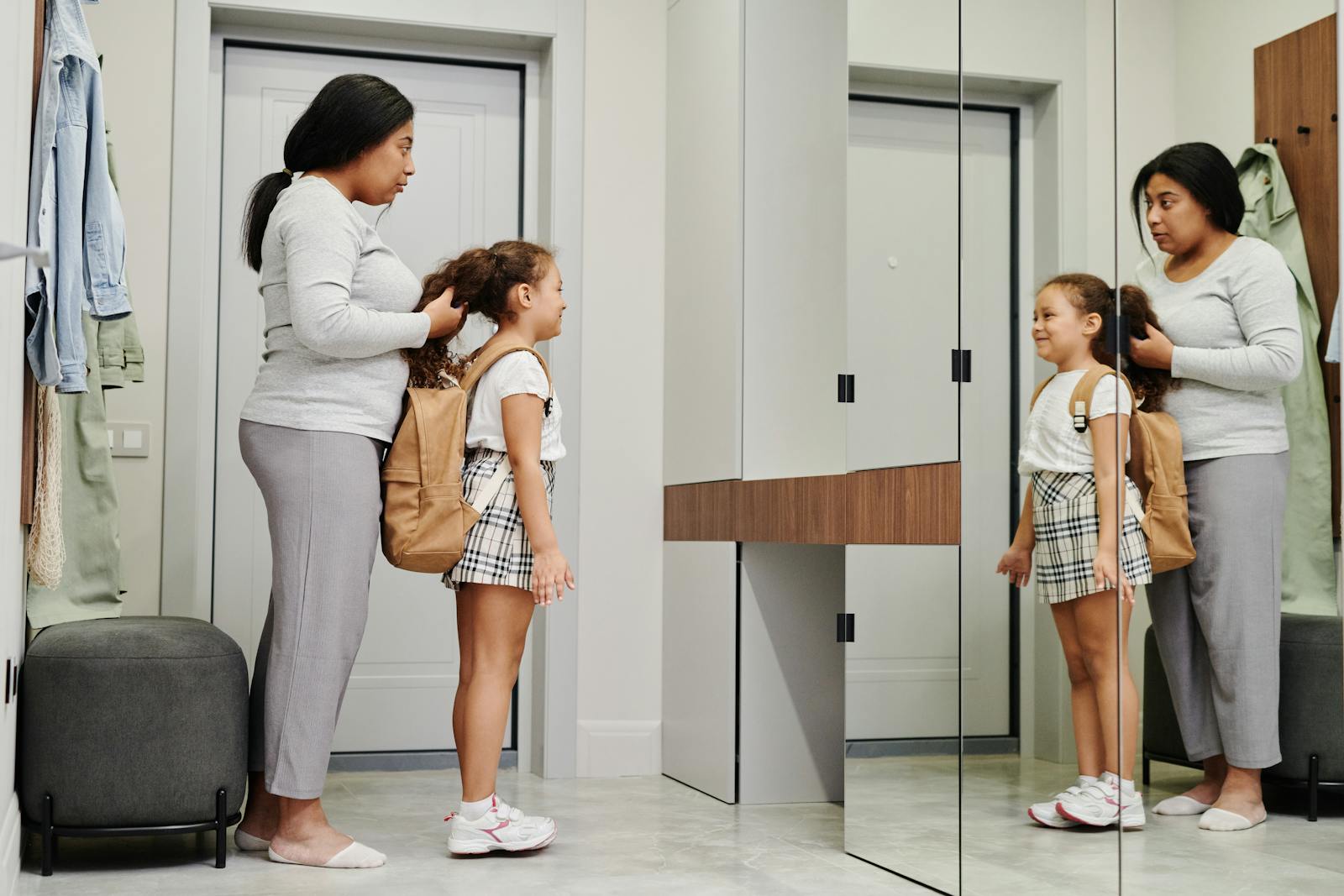
Across school pickup lines and parent group chats, more families are noticing that some mothers are treating classrooms, activities, and even college admissions like a high‑stakes contest. Instead of a shared project of raising kids, school can start to feel like a leaderboard, with test scores, club positions, and brand‑name campuses as the prizes. Parents and experts say that mindset is not only exhausting, it is quietly reshaping children’s mental health and the social fabric around them.
At the same time, a countercurrent is building among caregivers who want less pressure and more connection. Newer approaches that emphasize empathy, limits, and doing less are gaining traction, even as competitive habits prove hard to shake. The tension between those two forces is playing out in PTA meetings, Facebook groups, and the daily decisions parents make about how much to push, how much to protect, and how much to opt out.
How School Became a Scoreboard for Parents
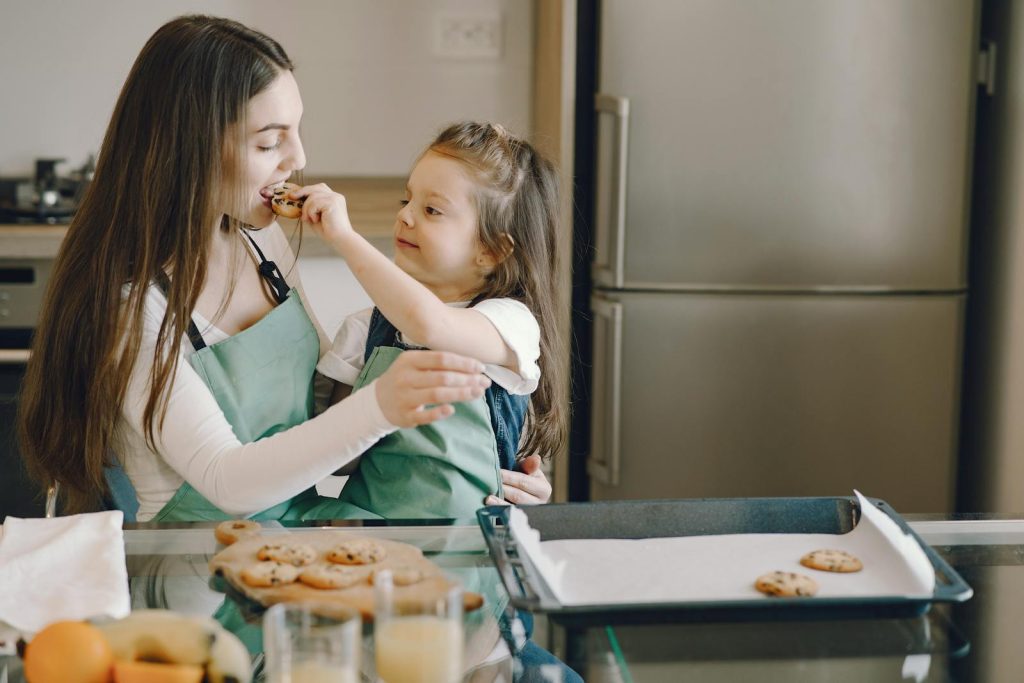
For many families, school has shifted from a community institution into a public report card on parenting itself. Grades, reading levels, and math tracks are no longer just measures of a child’s progress, they are often treated as verdicts on whether a mother is attentive enough, strategic enough, or sacrificing enough. Analysts who track Parenting Trends note that in recent years, parents have been urged to optimize everything from sleep schedules to extracurriculars, which makes it easier for school to become another arena where adults compare who is doing it “right.”
That pressure is intensified by a broader achievement culture that treats childhood as a pipeline to elite outcomes. Commentators describe modern Parenting as a hamster wheel of doing, striving, scrolling, and worrying, filled with anxiety even when intentions are good. When every quiz, team, and award is framed as a step toward a narrow definition of success, some mothers begin to see other families less as allies and more as rivals for limited spots in advanced classes or prestigious colleges.
The Rise of “Mean Mom” Culture in School Communities
Inside that high‑pressure environment, social dynamics among mothers can turn sharp. Reports on toxic mom groups describe how cliques form around shared values, such as strict organic diets or aggressive academic planning, and then police those norms through gossip and exclusion. One analysis notes that the idea that mean moms are simply “mean girls” who grew up misses the point, because the intense pressure of modern motherhood is often what sharpens hostility and makes relations in these groups so fraught.
Celebrity stories have thrown a spotlight on how this plays out in real life. On Jan. 1, Ashley Tisdale described a “toxic” mom group that began as her village and devolved into something that felt “too high school,” with subtle power plays and social punishment. Commentators noted that women have been conditioned to see one another as competitors, and that this conditioning now shows up in school WhatsApp threads and PTA politics, where some mothers are quick to judge, catty, and, as one account put it, openly toxic.
When Achievement Culture Turns Toxic for Kids
The competitive mindset is not just a social problem among adults, it has measurable consequences for children. A growing body of work on achievement pressure warns that constant striving can erode mental health, particularly in communities that prize high test scores and stacked résumés. One book on teen well‑being highlights Two national reports, one from the National Academies of Science and another from the Robert Wood Johnson Foundation, that found students in high‑achieving settings face elevated rates of anxiety, depression, and other mental health problems compared with national norms.
Parents often respond to this environment by doubling down on control, but research suggests that more involvement is not always better. A study from Stanford notes that There is good reason to value engaged parenting, since it helps children build cognitive and emotional skills, yet it also warns that too much oversight can crowd out kids’ autonomy and create competing demands for their attention. When mothers treat every assignment as a referendum on their own worth, children can internalize the message that love is contingent on performance.
Digital Mom Groups: Support Network or Pressure Cooker?
Online spaces were supposed to make parenting less lonely, but in many school communities they have become amplifiers of competition. Group texts and Facebook forums that start as information hubs about homework or field trips can morph into arenas where parents subtly broadcast their children’s achievements and compare enrichment strategies. One widely discussed Facebook community for high school families, the Parents of Class group, includes posts aimed at comforting those who are sad their child did not get into a top school, acknowledging how easy it is to feel left behind when someone else’s kid does.
Accounts of toxic mom groups describe how digital channels can intensify isolation. One mother told reporters she could feel the isolation as group chats turned into spaces where a few dominant voices set the tone and others were quietly frozen out, a pattern echoed in coverage of modern mom circles. Commentators observing the Ashley Tisdale saga noted that people have been conditioned to pit women against one another, and that watching these feuds unfold online can feel oddly familiar, because many parents recognize the same dynamics in their own school chats.
Overscheduling and the Race to Nowhere
One of the clearest ways competition shows up is in how families fill their calendars. Overscheduling is not new, but parenting analysts argue it would be better if it were old, over, and Overscheduling out, because the constant shuttling between tutoring, club sports, and enrichment has become “risky” for family well‑being. Earlier in 2025, a mom and pediatric nurse practitioner warned that this pattern leaves children exhausted and robs them of unstructured time that is crucial for creativity and stress relief.
Despite those warnings, many mothers feel they cannot step off the treadmill without disadvantaging their kids. Guides to What is in and Out for 2026 note that parents are “so over” the pressure to keep up with TikTok‑inspired routines and endless activities, yet they still sign up for extra lessons because everyone else seems to be doing it. When school communities celebrate the busiest families as the most committed, opting for a lighter schedule can feel like admitting defeat in an invisible contest.
New Parenting Trends Push Back on the Competition
Against this backdrop, a different set of parenting ideas is gaining ground. Commentators on 2026’s Top Parenting Trends describe a shift toward “empathy and limits” and the Art of Doing, sometimes called “slow parenting.” Instead of maximizing every opportunity, these approaches encourage parents to prioritize connection, reasonable boundaries, and rest, even if that means saying no to another advanced class or travel team.
Other trend reports highlight a move toward Key strategies like delaying smartphones and restricting social media for kids, influenced in part by the book The Anxious Generation, which has accelerated efforts to protect children’s attention and mental health. Analysts also point to Parenting Trends that encourage families to Embrace “Hybrid Parenting: Choosing What Works for Your Family,” signaling that Gone are the days of one‑size‑fits‑all rules. Together, these shifts suggest a growing appetite for school cultures that value balance over bragging rights.
When Parents Choose Fit Over Prestige
Some families are already rejecting the idea that the most competitive option is automatically the best. In one widely shared post, Carrie Kleen described how her daughter chose a small private school that few people had heard of, and how they heard “ohs” when she committed because it was not a marquee name. Yet her daughter prioritized comfort and community over rankings, and the family framed that decision as a success on its own terms.
Research on happiness‑oriented parents finds similar patterns. In interviews, this group said they prioritized factors outside of academic rigor, looking for schools that felt safe, nurturing, and aligned with their values rather than simply chasing the most advanced curriculum. Many of these parents cited mental health as a leading concern for their children in 2022, and they were willing to trade prestige for environments where their kids could thrive without constant comparison.
Inside the “Too High School” Drama of Mom Groups
The Ashley Tisdale story resonated so widely because it mirrored what many parents see in their own communities. On Jan. 1, On Jan, she published an essay in The Cut describing how a group of mothers who were supposed to be her support system instead became a source of stress, with behavior she described as “too high school.” The internet reaction, captured in follow‑up coverage, framed her experience as a cautionary tale about how quickly mom circles can slide from solidarity into status games.
Parenting commentators used the moment to examine why these groups so often become hostile. One analysis argued that people have been conditioned to pit women against one another, and that watching these feuds play out between mothers feels both familiar and unsettling. Another noted that modern mom spaces can be “catty, and yes, toxic,” especially when they revolve around school choices, enrichment, and parenting philosophies. The lesson many readers drew was that opting out of these dynamics is not a failure of community spirit, but sometimes a necessary boundary.
What Healthier School‑Parent Culture Could Look Like
Experts and parents who are weary of the competition are sketching out alternatives. Guides to Parenting Trends for 2026 suggest that what is “in” includes more collaboration with schools on mental health, more realistic expectations about extracurriculars, and more transparency about the limits of parental control. Commentators who argue that achievement culture has become toxic urge families to focus on relationships, sleep, and play, framing these as protective factors rather than luxuries.
At the same time, trend pieces about what to say goodbye to in 2026 call for dialing back overscheduling and perfectionism. Commentators on Embrace‑worthy trends emphasize Hybrid Parenting and Choosing What Works for Your Family, arguing that Gone are the days when one model of “ideal” motherhood set the standard for everyone. If those ideas take hold, school could shift from a battleground back to what many parents say they want it to be: a shared space where children are allowed to be learners, not trophies.
Supporting sources: Navigating 2026’s Top, Parenting Trends 2026:, Why so many, 2026 Parenting Trends, 5 Parenting Trends, Never Enough: A, OFFICIAL Parents of, “Never Enough: When, Study reveals impact, Daughter prioritizes comfort, ‘Happiness-Oriented Parents,’ It’s, Ashley Tisdale’s Toxic, Parenting Trends to, Internet Reacts After, Why so many, Internet Reacts After, “Never Enough: When, Parenting Trends 2026:, 5 Parenting Trends, Parenting Trends to, ‘Happiness-Oriented Parents,’ It’s, OFFICIAL Parents of.
More from Decluttering Mom: