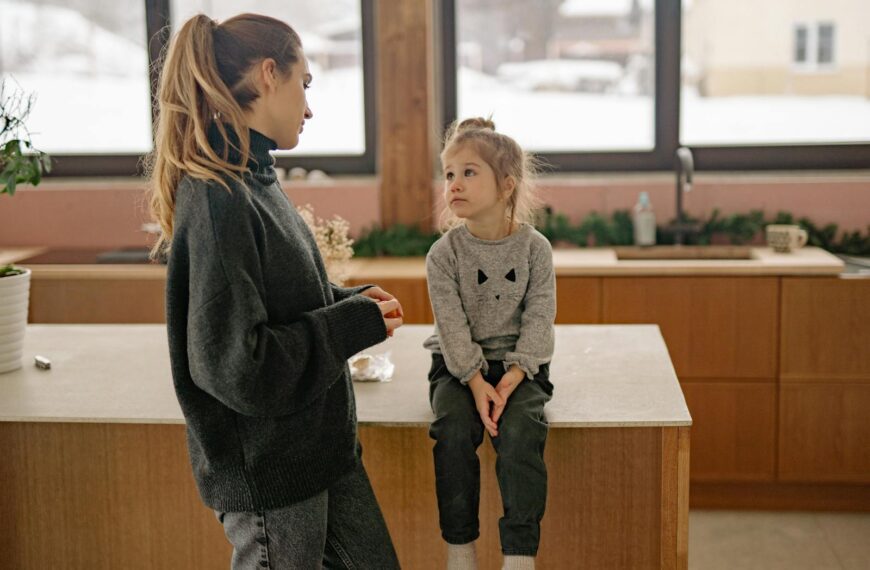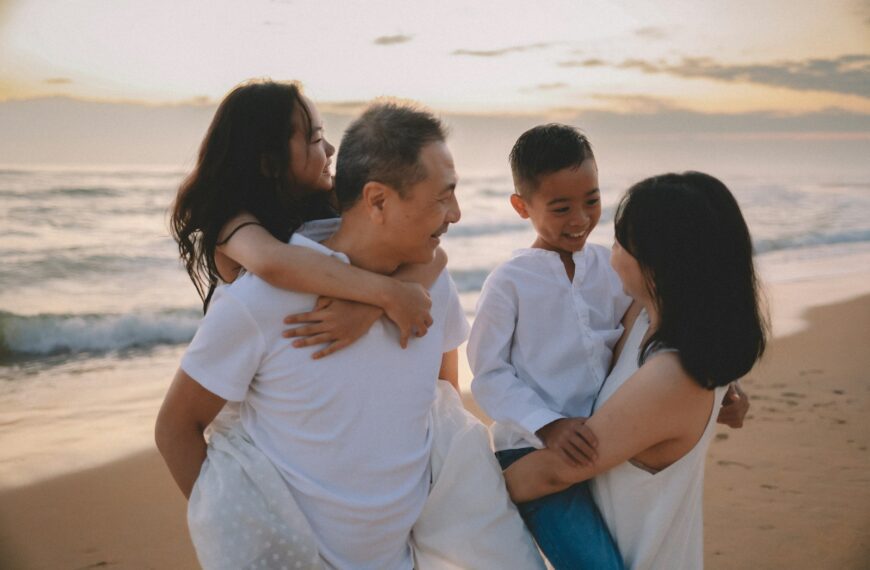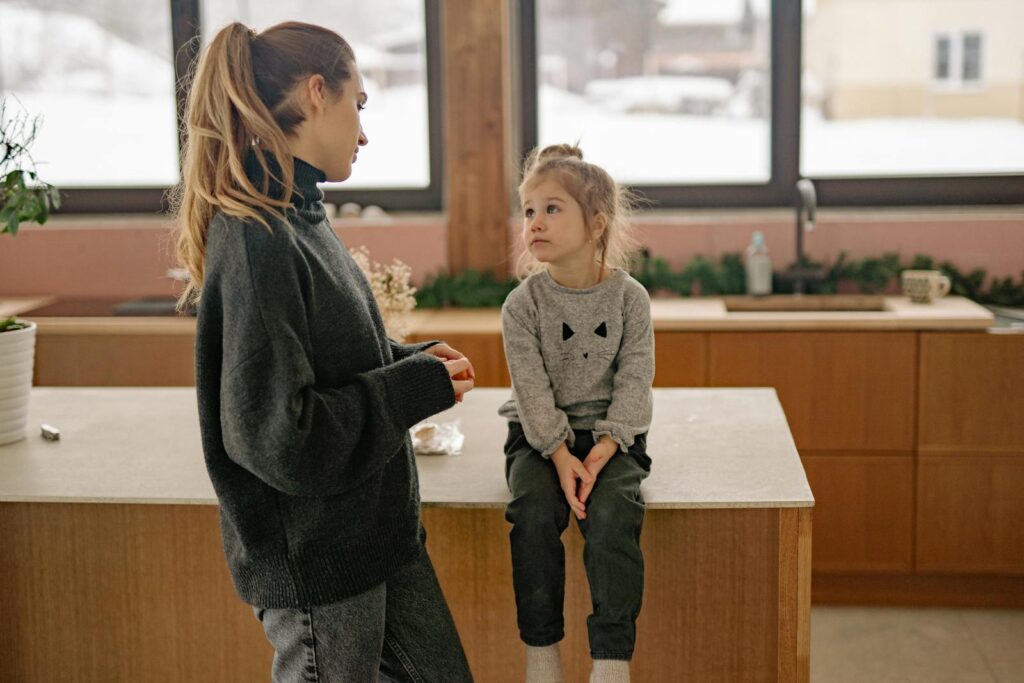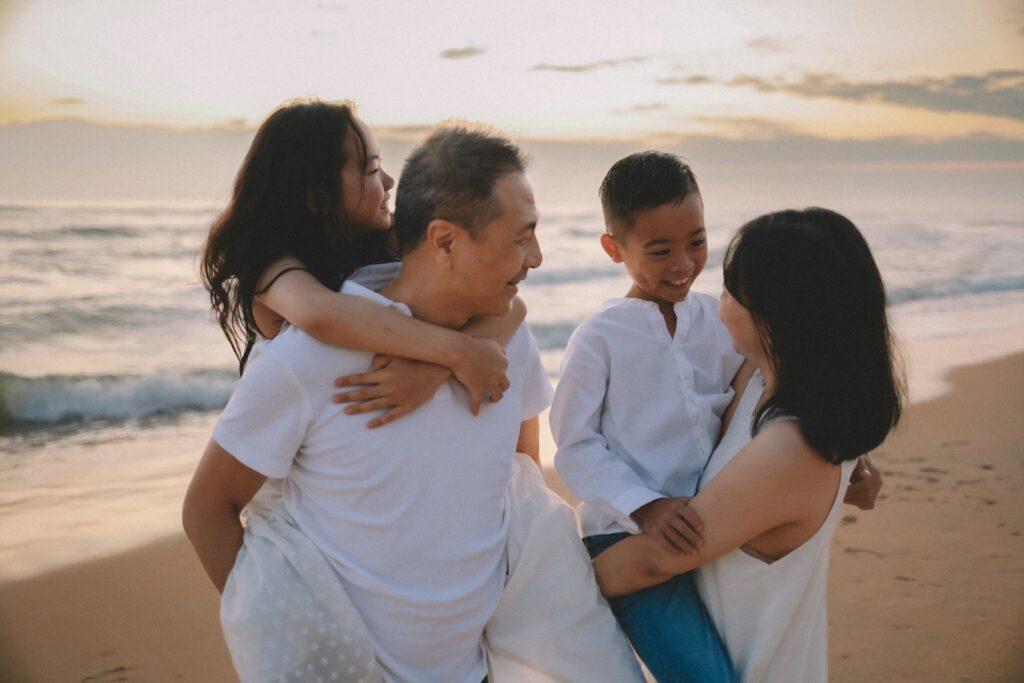
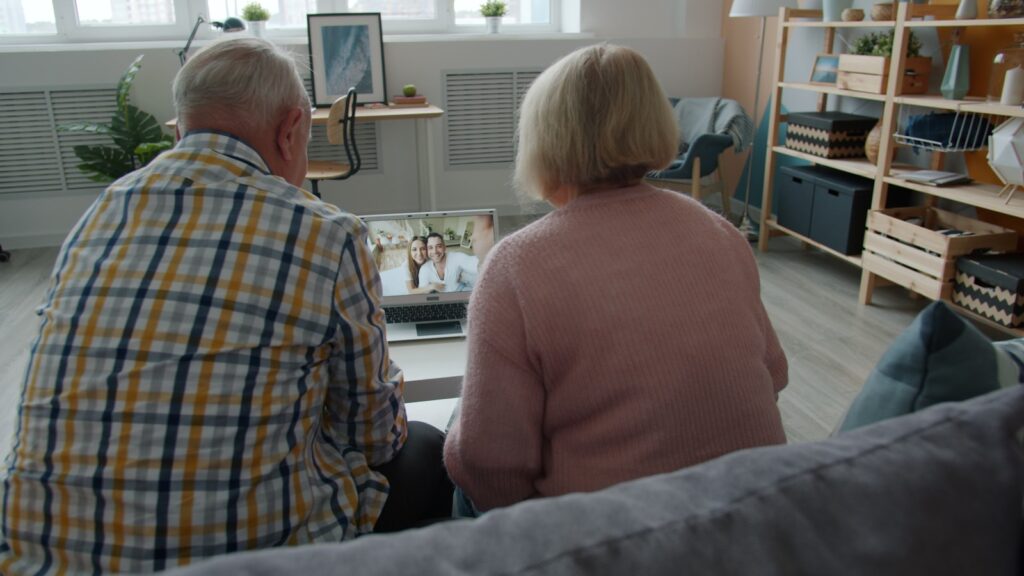
A couple says they spent their whole lives showing up for their children, only to feel painfully alone once they were the ones who needed a little help back. What makes the story hit is how small the asks actually were. They were not asking their grown kids to move in, give up careers, or rearrange their whole lives. They wanted help with appointments, errands, paperwork, and more check-ins while dealing with health problems, financial stress, and the reality of getting older. Instead, they say they were met with distance, excuses, and a version of adult independence that felt a lot colder than they ever expected.
They Say They Never Kept Score Until the Silence Started Feeling Like an Answer
In a post on Reddit, the parents described a lifetime of doing what they believed parents are supposed to do. They worked late, missed vacations, paid for school, helped with down payments, and babysat grandkids whenever their children asked. They say they did all of it without hesitation because that is what family meant to them: when people you love need you, you show up.
That is why this season of life seems to have shaken them so badly.
They say that when they finally asked for support, the responses felt detached and transactional. The phrases they quoted were brutal in their simplicity: “We have our own lives.” “We can’t drop everything.” “You’ll figure it out.” The parents admit those statements may not be entirely wrong. Their children do have their own lives. But they also make clear that hearing those words after years of giving hit them like proof that the bond they thought they had may not mean the same thing to their kids now.
What Sounds Like a Simple Complaint Started a Much Bigger Debate About What Children Really Owe Their Parents
What makes the post more interesting is that it did not spark one clean, sympathetic reaction. It opened a divide.
Some commenters saw the parents’ pain immediately and said that helping with paperwork, rides, check-ins, or occasional appointments does not sound like some outrageous burden. A few people said they had supported sick or aging parents themselves and would never want their mom or dad to feel that abandoned. To them, this sounded like adult children who may be too wrapped up in their own lives to realize how deeply hurtful their absence has become.
But another chunk of the comments went somewhere much less comforting.
Several readers said the post sounded like what people often call an “estranged parent” version of events: heavy on sacrifices, light on emotional context. They pointed out that paying for school, working overtime, and helping with kids are all things many parents see as part of the job, not proof that adult children automatically owe care later. Others said they would be far more interested in hearing the children’s side, because sometimes parents who feel generous and devoted still leave out years of criticism, manipulation, scorekeeping, or emotional neglect that shaped why their adult children now keep their distance.
The Real Tension Was Between Family Duty and the Lives Adult Children Are Barely Holding Together
That is where the thread really landed: not on whether the parents were wrong to feel hurt, but on whether hurt automatically means the children failed them.
Some people argued that modern adulthood is simply harder and more packed than many parents realize, with long work hours, kids, traffic, money stress, and very little flexibility even for people who genuinely care. Others said that may be true, but love still usually finds room for something, especially when the asks are small and the need is real.
What gives the post its sting is that both sides are speaking from a place many people recognize. The parents are grieving the support they thought family naturally promised. The commenters are asking whether family bonds are really as simple as a lifetime of giving followed by a rightful turn to receive. And sitting in the middle of that is the hard question the post never fully answers: when parents say they only needed a little help, is that the full story — or just the part that hurts the most now?
More from Decluttering Mom: