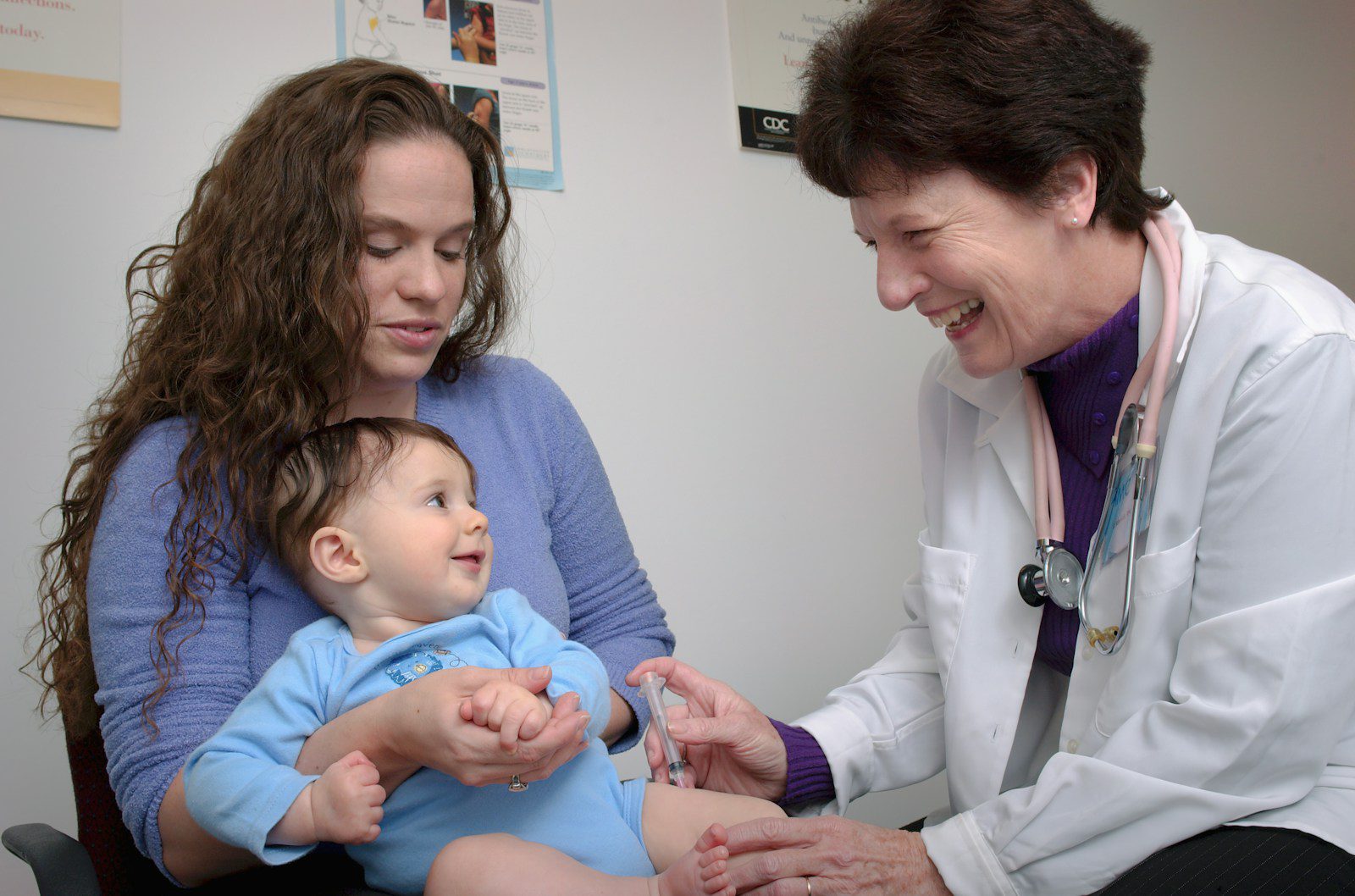
The American Academy of Pediatrics has released updated RSV and COVID-19 immunization guidance for the 2026-2027 respiratory virus season, and for the first time in recent memory, it didn’t come through the CDC’s own vaccine advisory process. The AAP’s own policy statements, published alongside matching recommendations from the American Academy of Family Physicians and the American College of Obstetricians and Gynecologists, narrow COVID-19 eligibility for school-age kids while expanding who qualifies for RSV protection in their second season of life.
The timing is unusual. According to AAFP’s own press release, the CDC’s Advisory Committee on Immunization Practices has been sidelined by legal challenges and leadership turnover this year, leaving pediatric groups to publish independent, evidence-based guidance rather than wait on a federal recommendation. That’s a real shift from how families have gotten vaccine advice for decades.
What’s Different for RSV This Year
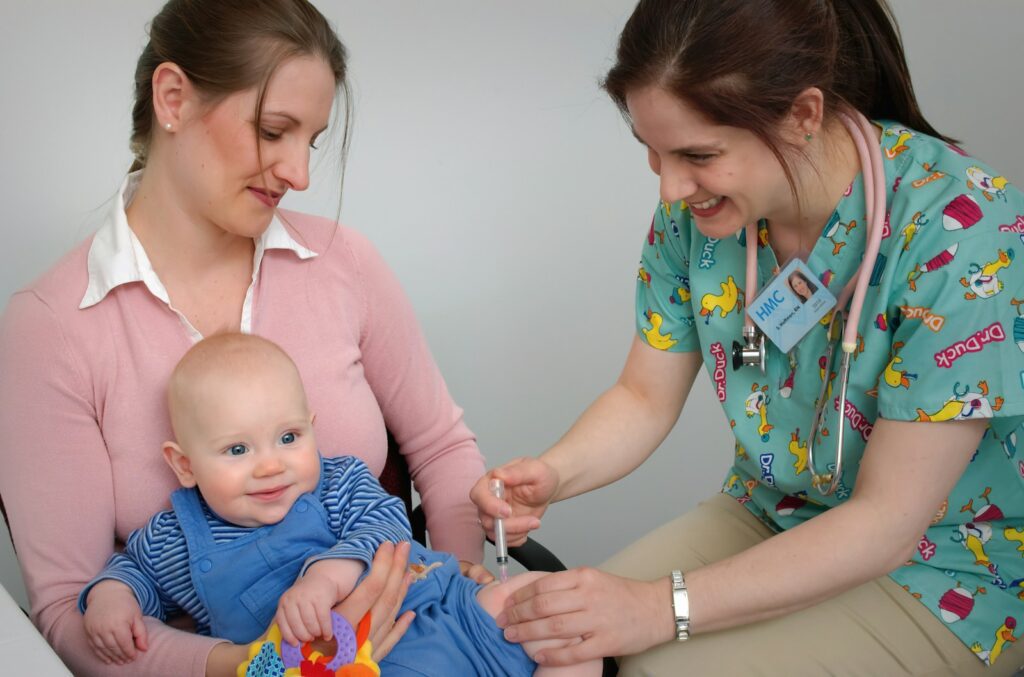
Infants younger than 8 months entering their first RSV season are still broadly eligible for a single dose of nirsevimab or clesrovimab, unless their birthing parent received the maternal RSV vaccine at least 14 days before delivery. What changed is the second season: kids ages 8 through 19 months now only qualify for immunization if they fall into specific high-risk categories, according to AAP’s expanded criteria reported by Contemporary Pediatrics. That list includes children born before 32 weeks gestation, kids with significant congenital heart disease, chronic lung disease requiring ongoing medical support, severe immune compromise, Down syndrome or other chromosomal conditions, and American Indian or Alaska Native children, who face documented higher RSV hospitalization rates.
Pregnant patients are still advised to get the RSV vaccine between 32 and 36 weeks during the fall and winter window, which protects newborns without requiring a separate infant dose.
COVID-19 Guidance Gets More Targeted
The bigger change for many families is on the COVID-19 side. Routine vaccination is now recommended across the board only for children ages 6 to 23 months. For kids ages 2 to 18, the guidance shifts to a risk-based approach: a single dose is specifically recommended for children with underlying conditions that raise their risk of severe illness, while otherwise healthy kids in that age range can still get vaccinated if a parent requests it, per reporting on the updated multi-society guidance. That’s a narrower stance than the broader, more uniformly worded recommendation families heard last fall.
Key Points
- RSV, first season (under 8 months): Broadly eligible for nirsevimab or clesrovimab unless maternal vaccination already covers them.
- RSV, second season (8-19 months): Now limited to specific high-risk medical categories, not all infants.
- COVID-19, ages 6-23 months: Routine vaccination still recommended for all.
- COVID-19, ages 2-18: Single dose recommended for elevated-risk kids; available on request for everyone else.
- Guidance was issued independently by AAP, AAFP, and ACOG rather than through the CDC’s usual advisory process.
None of this guidance is optional reading for families with young kids this fall. Pediatricians say the safest move is a direct conversation at a well-child visit, since eligibility now depends more on individual risk factors than blanket age cutoffs, especially as the RSV season stretches from roughly October through March.