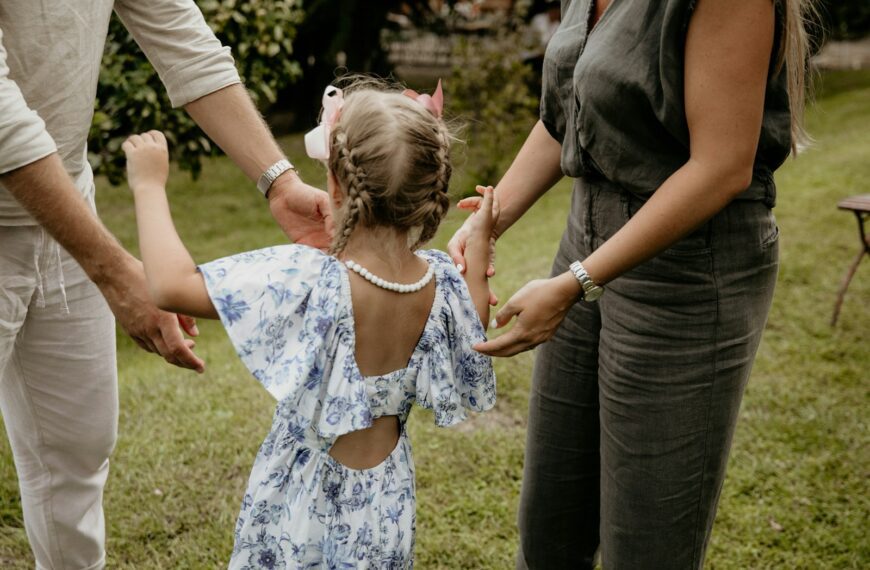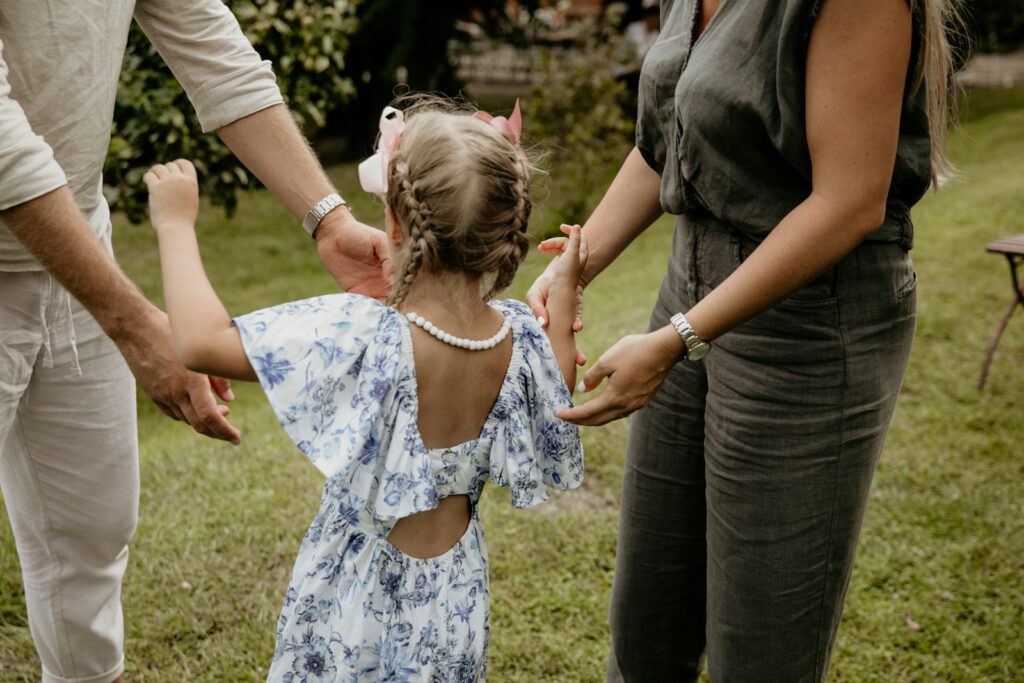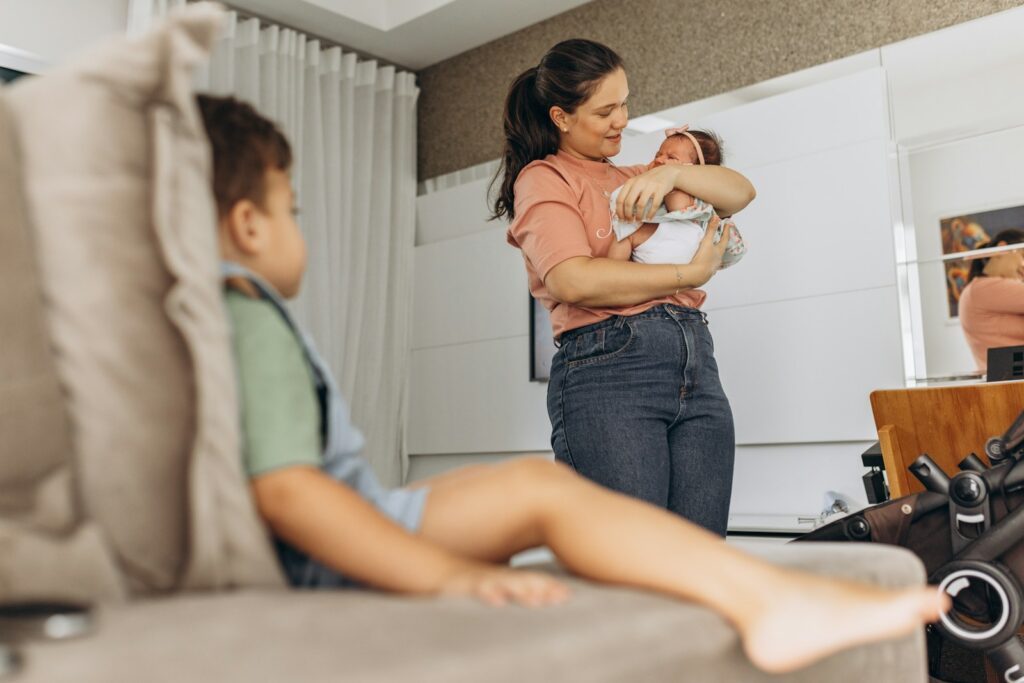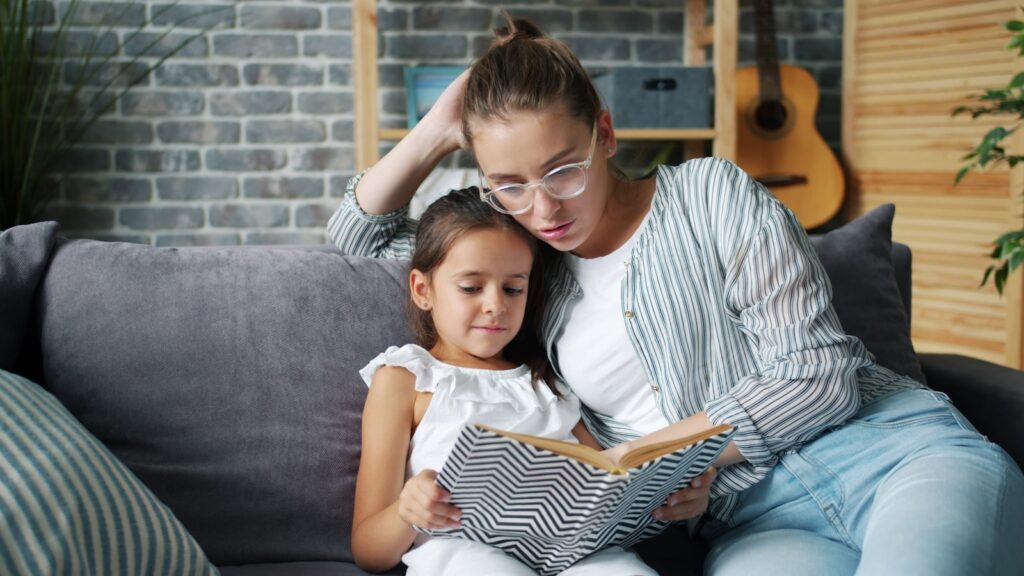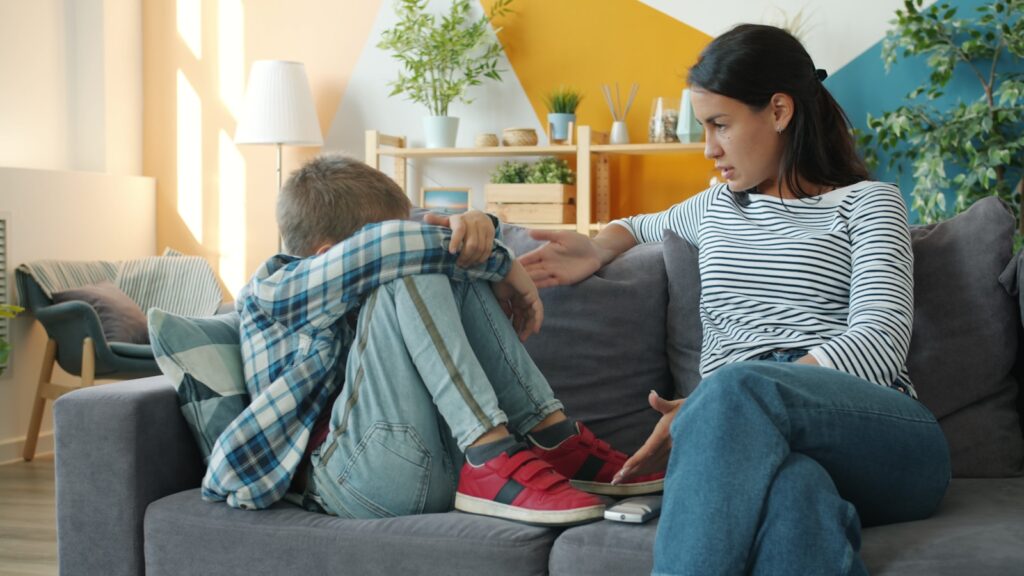
Across playgrounds, group chats, and TikTok feeds, “gentle parenting” has become a lightning rod. Critics insist it is turning kids into “little monsters,” while mothers who use the approach say the real problem is how badly the label is misunderstood. As the culture argues over whether empathy-based discipline is ruining childhood, families on the ground are quietly trying to blend kindness with clear limits.
The backlash: ‘little monsters,’ FAFO jokes, and what critics get wrong
The phrase “gentle parenting” has been slapped on so many videos and viral posts that it now functions less as a philosophy and more as a catchall insult. One parenting roundup notes that parents are drowning in Labels, pointing to “gentle parenting” and the internet’s favorite “FAFO” slogan as Exhibits A and B in how every interaction with kids gets branded. In that climate, it is easy for a calm conversation with a tantruming preschooler to be mocked as indulgence, even when the parent is quietly holding a firm boundary.
Some of the harshest criticism comes from people who say what is being sold as gentle parenting is really a lack of parenting altogether. A widely shared comment about millennials argues that a lot of parents do not see that their version of “gentle parenting” is borderline permissive, and that the real issue is their LACK OF PARENTING style. In another viral thread tied to the film “Old Dads,” commenters argue that if a parent cannot keep a child from hurting others, that child should be placed with adults who can control them, insisting that this is “stupid-parenting, not gentle parenting,” and urging that a Dad needs to to a permissive “mommy.” The anger is real, but it often targets caricatures rather than what most parents practicing this style are actually doing.
Research on the core ideas behind gentle parenting paints a more nuanced picture. Child development experts like Razzino describe the approach as a blend of warmth, emotional coaching, and consistent limits, and note that this combination has been linked to healthier, more resilient adults. A detailed guide to Gentle parenting techniques stresses that the goal is not to avoid discipline, but to use natural consequences and collaboration instead of fear, even while acknowledging that critics worry this can create spoiled or entitled children if boundaries disappear.
Where gentle parenting goes off the rails, and why moms are adjusting
Even parents who believe in the philosophy admit that the execution can be messy. One mother who tried to gentle parent her daughter publicly confessed that she felt she had raised a “little monster,” describing how calmly narrating feelings did not stop her child from hitting and screaming, and how she eventually had to rethink her approach after realizing that, Written rules on paper felt very different in a grocery store meltdown. Mental health writers warn that the pressure to respond perfectly in every conflict can backfire, with one analysis arguing that the trend creates stress parents do not need, and that Higher stress inevitably spills over onto kids.
Clinicians also flag subtler pitfalls. A review of gentle parenting’s benefits and drawbacks notes that an Overemphasis on a child’s internal state can, in some critics’ view, slow the development of empathy for others if kids are never asked to adjust their behavior to someone else’s needs. Another guide on What Gentle Parenting is and is Not Like stresses that the method has been widely misread as a ban on discipline, when in fact it is meant to sit squarely in the authoritative middle, pairing empathy with clear expectations and consistent follow-through.
That middle ground is where many mothers are now planting their flag. Parenting trend watchers say that in 2026, families are moving away from rigid rulebooks and toward Parenting that focuses on what actually works for their household, with connection and mental health for both parents and kids as the goal. Video explainers on Parenting trends describe exhausted parents shifting from pure behavior management to self-regulation coaching, while another conversation about Authoritative Parenting 2.0 frames this as good news for caregivers who want to be nurturing without giving up their authority.
From trend to toolkit: how parents are rewriting the rules
As the label wars rage, a quieter reset is happening inside homes. One survey of Gen Z parents found that many are already moving away from what they see as extreme gentle parenting and back toward “old-school” methods, with a renewed focus on the idea that Actions have consequences. Another parenting forecast lists “Extreme” Retiring gentle parenting on its Out List, arguing that the version that treats any firm limit as harmful is being replaced by approaches that are comfortable with being an authority figure.
Other trend reports echo that shift. A guide to What Parenting Trends notes that When new practices rise, older habits like Overscheduling kids and anxiety-fueled perfectionism are starting to fall away, making room for more flexible, relationship-focused parenting. Another forecast for What We are embracing highlights that parents are less interested in being on-trend and more interested in raising kids who can handle real life.
More from Decluttering Mom: