One mom expressed a sense of frustration as she described her body feeling like it was “falling apart at the seams.” Her struggles seem to have been brushed aside by almost everyone in her life, leaving her grappling with both her pain and a lack of understanding from those around her. It’s a tough spot for anyone, but it’s especially unsettling when young people find their serious issues dismissed simply because of their age.
She laid out the most common reasons for the lack of empathy: she’s young and doesn’t have an official diagnosis. It’s frustrating when these factors lead to people overlooking her pain, as though age is the only metric for validity. It’s not uncommon for young adults to feel marginalized when it comes to health issues, especially if those problems don’t fit neatly into traditional diagnosis criteria.
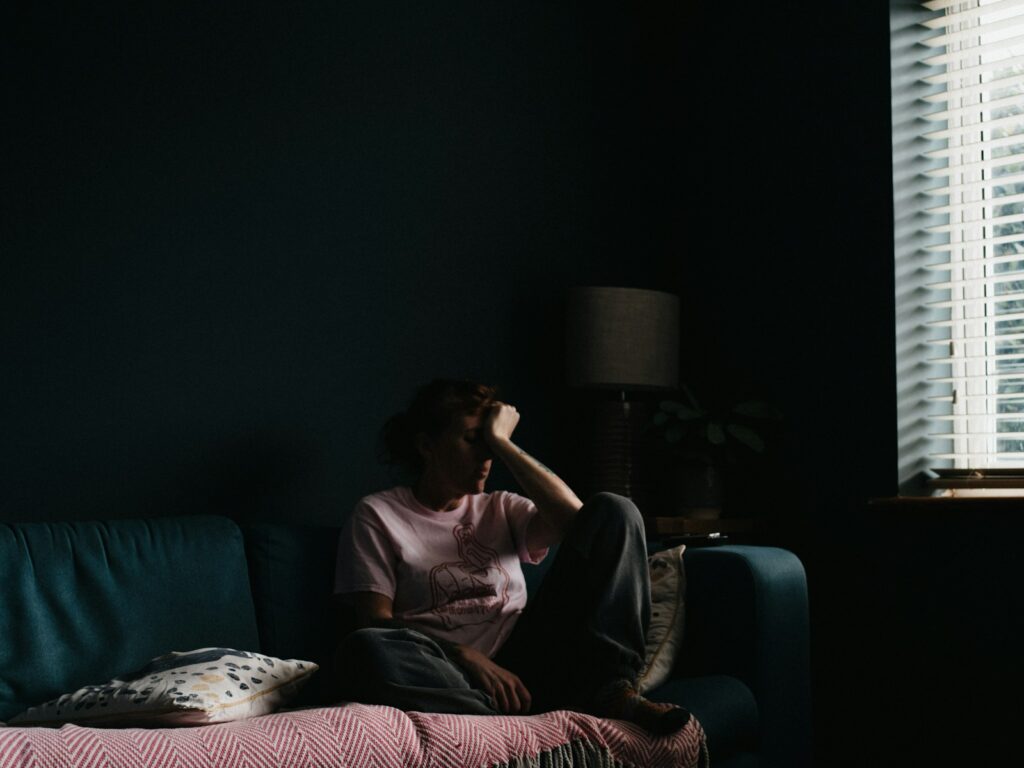
The mom made it clear that getting an accurate diagnosis isn’t straightforward. She pointed out that the symptoms she deals with aren’t easy to pinpoint, requiring specialists who often charge significant fees. The costs can add up quickly, especially for someone struggling financially. The idea of spending upward of $100 for a visit when insurance doesn’t cover it can be disheartening. For her, it feels like a cruel joke to have to navigate the healthcare system while grappling with physical limitations.
People had very different reactions to her post. Some commenters were sympathetic, sharing similar experiences and validating her feelings. They understood that pain doesn’t discriminate by age and expressed their frustrations with how society often overlooks younger people’s health issues.
Others pointed out that while age shouldn’t be a barrier to being taken seriously, it can sometimes lead to misunderstandings. They suggested that perhaps finding a supportive healthcare provider who would listen could help. It’s a hopeful take, but it doesn’t change the fact that access to care can feel almost impossible for someone already struggling.
A few commenters suggested that she keep advocating for herself, emphasizing the importance of being persistent until she finds someone who recognizes her pain. The sentiment that young people often face devaluation of their experiences was echoed by many, showcasing a broader issue in healthcare where youth are frequently seen as too young to suffer real ailments.
The mom’s plight strikes a nerve in a society that often tends to downplay youth discomfort as “just a phase.” It begs the question of how many people are out there feeling invisible or unheard when they speak about their health issues. There’s a disconcerting irony in needing to “prove” that pain exists, especially for those who are already struggling to vocalize their experiences.
The entire situation raises a troubling question: how many voices go unheard because of a societal tendency to prioritize age over experience? It’s a complex web of perceptions that can leave people feeling isolated, even among friends and family. It’s an uncomfortable reflection on how well society understands and responds to health disparities based on youth.
In the end, the mom’s message is clear: pain is pain, no matter the age of the person experiencing it. Her frustration may resonate loudly for many, leaving people to ponder how to bridge the gap between age and understanding in matters of health and well-being.
More from Decluttering Mom: