

Some conversations with a child’s teacher are about homework or a missed permission slip. The one a pharmacist who posts as @millennialrx had last week was very different. It was, they say, a conversation they “should not have had to have.” Their child has type 1 diabetes and wears a sensor that sounds an alarm when blood sugar runs too high or too low. The teacher needed to know that if the school ever faces an active threat, that alarm has to go quiet.

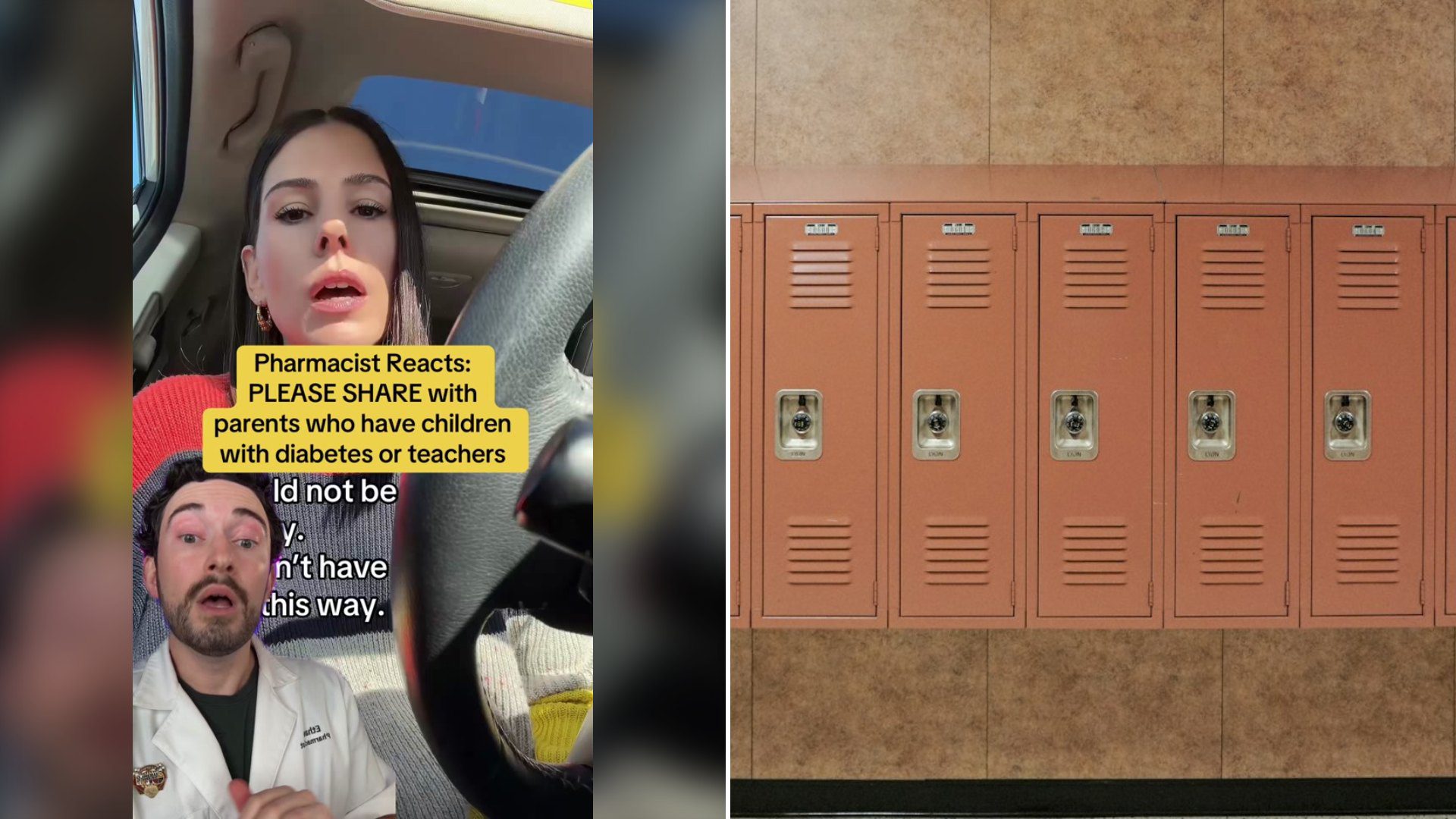
The parent explains the device first. Because of type 1 diabetes, their child wears a sensor that monitors blood sugar “all day long, all day every day.” When the numbers swing too high or too low, an alarm goes off to alert the adults caring for the child that “there needs to be intervention,” especially when the reading is low.
In everyday life, that alarm is a lifesaver. In a lockdown, it could be a danger. “I had to tell my child’s teacher, hey, if there is ever an active situation in the school, those alarms need to be turned off because they could be found,” the parent says. A beeping device in a dark, silent classroom could give away where students are hiding.
@millennialrx
How to Silence the Alarm Without Removing the Device
The parent is clear that no one should panic and pull equipment off a child. “You definitely don’t need to rip off the CGM,” they say, using the common abbreviation for a continuous glucose monitor. The same goes for an insulin pump. “You don’t need to take that off during this.”
Instead, the alarms can usually be managed through the phone or app connected to the device. Using the FreeStyle Libre as an example, the parent notes that alerts are usually handled through the app. To be completely sure nothing sounds during an emergency, they recommend turning the phone off. Every pump and CGM is a little different, they add, and each comes with instructions for silencing it if needed.
The parent also points out that both parents of children with type 1 or type 2 diabetes and educators can find guidance on what to do in these situations. “Unfortunately, until something changes, these are conversations that we are going to be having to have with children, which is crazy,” they say. The caption makes the purpose plain: “Please share so teachers can be aware of this as well.”
A Lockdown Plan for Children With Diabetes
No family wants to think about a school emergency. But for a child living with diabetes, a little planning ahead means the adults in the room can keep them safe and quiet at the same time. Here are practical steps parents, grandparents and caregivers can take.
Learn the device before the school year starts. Sit down with the user guide or the manufacturer’s website and find out exactly how alerts are silenced or paused on your child’s CGM, pump and phone app. Some devices allow temporary muting, while certain urgent low alerts may be handled differently. Know the specifics for your model rather than guessing.
Write it down for the teacher. Give the classroom teacher, substitute folder and school nurse a short, clear instruction sheet. Include how to silence the device, who is allowed to do it and what to do if the child shows signs of low blood sugar while sheltering in place.
Put it in the official plan. Many students with diabetes have a written health plan at school, often called a Diabetes Medical Management Plan, and many also have a 504 plan that spells out accommodations. Ask that emergency and lockdown procedures be included so every adult who works with your child follows the same steps.
Keep low supplies in the classroom. Silencing an alarm does not stop a low blood sugar. Ask whether fast-acting sugar, such as glucose tablets or juice boxes, can be kept in the classroom or in the teacher’s emergency bag so it is close at hand if the class cannot leave the room.
Talk to your child calmly. Depending on their age, children can learn how their own device works and what to do if an adult asks them to turn off the sound. Practicing in a calm, matter-of-fact way can help them feel prepared rather than scared.
Plan for monitoring afterward. If alerts are muted or a phone is turned off, someone needs to check the child’s blood sugar as soon as it is safe. Agree ahead of time on who will do that and how.
Why Teachers and Grandparents Should Know This Too
Teachers already juggle a long list of student needs, and many may never have considered that a medical alarm could become a safety issue. A friendly heads-up from a parent at the start of the year, along with a printed instruction sheet, can make all the difference. School nurses can also help by sharing this information with substitutes and specialists who rotate through different classrooms.
Grandparents who help with school pickups, babysitting or after-school care should learn the same basics. If a grandchild wears a CGM or insulin pump, ask the parents to show you how the alerts work, how to silence them and what to do for a low. Knowing how to respond calmly in any situation, emergency or not, is one of the best gifts you can give a child with diabetes and the parents who worry about them every day.
This parent’s message is short, practical and sobering. It is a conversation no family should have to have, but having it ahead of time could protect not just one child, but every student hiding in that classroom.
More From Decluttering Mom
- After Six Kids In 14 Years She Thought Nothing Could Embarrass Her, Until Her Two Year Old Started Asking Around The Grocery Store If Anyone Needs An Enema
- Professional Organizer Says the Reason Your House Never Stays Organized Is That You Keep Organizing Clutter, and Explains What to Do First Instead
- Mom asks her 20 month old what else to put on the pizza and the toddler answers pepperoni then repeats back in a full sentence that it is a good choice on pizza