The playroom floor looks like a toy store exploded. Blocks, puzzle pieces, dolls, trucks, stuffed animals and a lone shoe are all tangled together, and your child stands in the middle of it and announces, “I’m bored.” You have probably heard it a hundred times. It seems backwards, doesn’t it? With so many things to play with, how can anyone be bored?
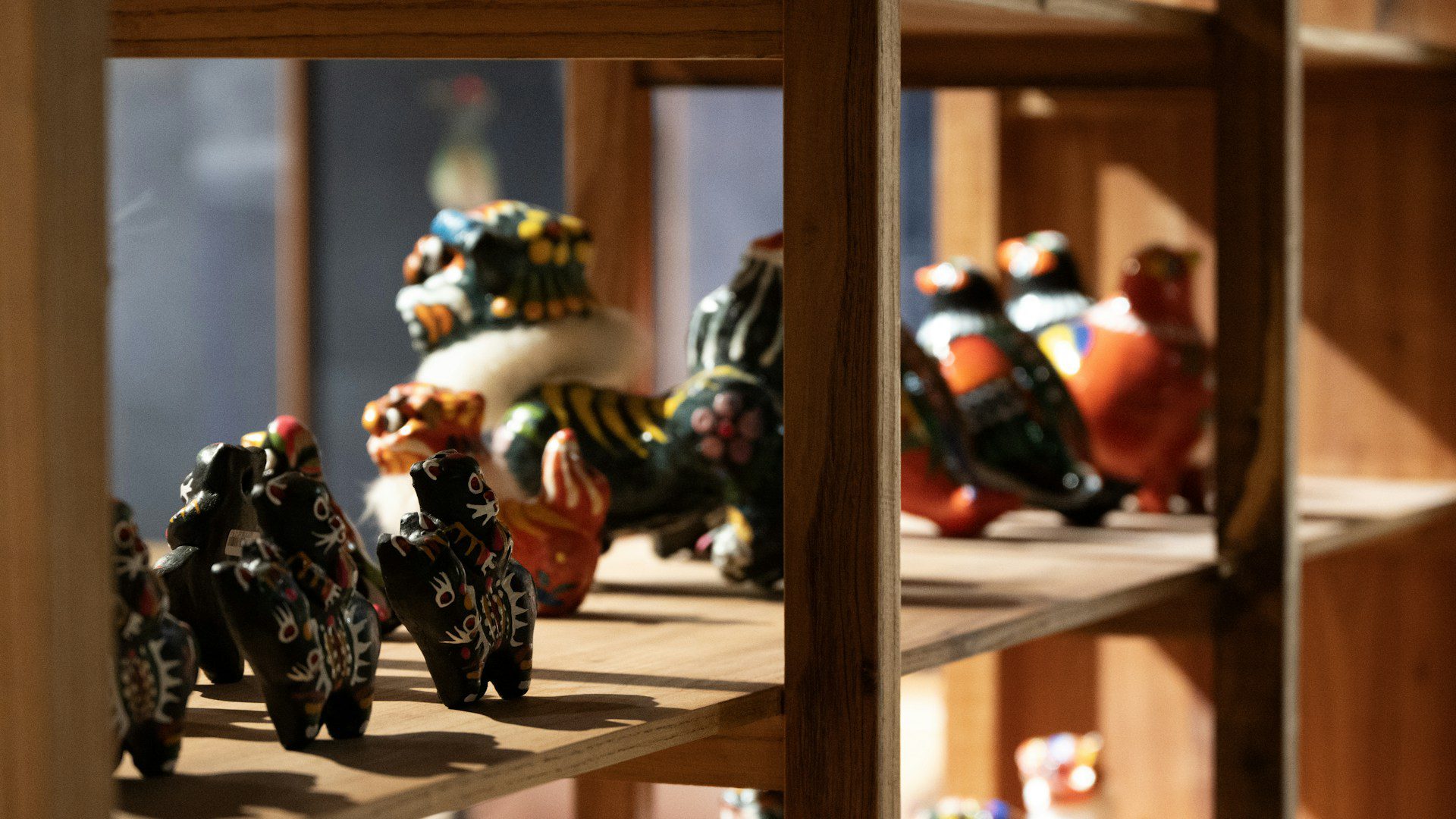
Many parents will tell you the same thing: when toys pile up, kids often play with them less, not more. Instead of settling into one game, a child may skip from one thing to the next, dump out another bin, and wander off. This is common parenting wisdom rather than a scientific rule, and every child is different. But if your own playroom feels like chaos, a toy rotation is worth a try, and the best part is that nothing has to leave the house.
Why a Mountain of Toys Can Backfire
Picture a child facing a giant heap. Where do they even start? When everything is out at once, it is hard to focus on any single item. Toys at the bottom get buried, favorites get lost, and the whole mess can feel overwhelming to little ones and grown-ups alike. Then there is cleanup. A huge pile is a huge job, and kids are more likely to give up before they begin.
Too many toys also means too many decisions. A child with a few options often dives into one and invents a story around it. A child with dozens of options may flit around and end up happy with none. Fewer choices, shown clearly, can invite longer and more creative play.
What Is a Toy Rotation?
A toy rotation is exactly what it sounds like. Instead of keeping every toy out all the time, you set out a small selection and store the rest out of sight. Every week or two, you swap some of what is out for something from storage. To your child, the “old” toys feel brand new again, and you did not spend a dime.
How to Start Your Rotation
- Gather everything. Pull the toys from every corner, including under the couch and in the car. Seeing it all in one place helps you realize how much there is.
- Remove the broken and the outgrown. Toss anything broken, missing key pieces, or too young for your child now. Pass along the good items you no longer need to a friend, a relative or a donation center.
- Sort into groups. Put similar items together, such as building toys, art supplies, pretend play, puzzles, vehicles and books. Keeping sets together makes it easier to pick a theme when you swap.
- Choose what stays out. Pick a few favorites and a mix of activities, something to build, something to pretend with, something to create and something quiet. Put them on low, open shelves or in bins your child can reach.
- Store the rest out of sight. Use lidded bins in a closet, the garage or under a bed. Label them so you can find things quickly. Keep storage safe and stable so nothing falls on anyone.
- Swap on a schedule. Pick a day, perhaps the weekend, and trade a few items. Watch what your child ignores and what they ask for. Those clues tell you what to keep out longer.
Tips to Make It Work
- Keep it simple. You do not need a spreadsheet or a perfect system. A couple of bins and a regular swap day is plenty.
- Involve your child. Older kids can help pick what goes out and what goes away for a while. Having a say makes them more willing to tidy up.
- Give every toy a home. A basket for stuffed animals, a bin for blocks, a shelf for puzzles. When everything has a place, cleanup is easier, and kids learn to put things back.
- Do it quietly. Some kids get upset watching toys disappear. Rotate while they are at school, napping or out with someone else, and bring things back out as a happy surprise.
- Keep a “maybe” bin. If you are unsure about letting something go for good, tuck it in storage for a while. If nobody asks for it after several rotations, it may be time to pass it along.
Handling Gifts and Birthdays
Holidays and birthdays bring a fresh flood of presents, and that is where a rotation really helps. Instead of adding everything to the playroom at once, put a few new gifts out and save the others for later. That keeps the excitement going and prevents a new pile from forming. You can also ask relatives for experiences, such as a trip to the zoo or a membership to a children’s museum, or for consumable gifts like art supplies and books. Most loving relatives are happy to help when you tell them what your family needs.
A Calmer Room, Not a Bare One
The goal is not to take away your child’s joy or to create a spotless showroom. It is to give kids room to really enjoy what they have. Many parents notice that a tidier play space leads to longer stretches of focused play and less whining at cleanup time, though results vary from home to home. Even if the benefits are modest, you will have less to pick up, less to trip over and more peace.
Start with one corner of the room this weekend. Box up half of what is out, tuck it away, and see what happens. You might be surprised by how much fun a few toys can be.
More Stories You May Like
- School Tells a Parent to Stop Making Their Kid Good Lunches Because Other Kids Are Jealous and Parents Are Furious
- Mom Says Six Small Cleaning Tasks Take Her Less Than Half An Hour And Keep Her Whole Home In Maintenance Mode Starting With Making The Bed Every Day
- How to Thrift Things That Actually Sell Is Explained by a Reseller Who Says Most People Buy the Wrong Items