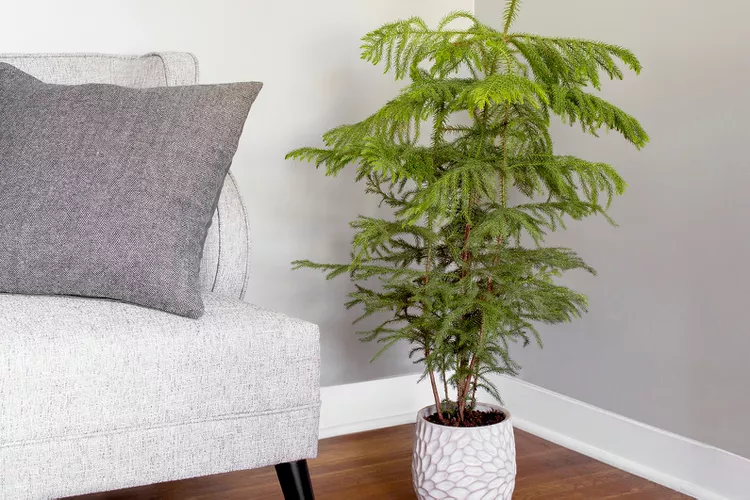
Indoor evergreens promise the best of both worlds: the glow of a decorated tree in December and a living houseplant that keeps earning its space long after the ornaments are packed away. With the right species and a bit of planning, you can keep a potted “Christmas tree” thriving inside instead of dragging a dried‑out carcass to the curb every year.
The key is choosing trees that tolerate indoor conditions and then treating them less like disposable decor and more like long‑term container plants. That means understanding which conifers can adapt to life in a pot, how to manage light and watering in a heated home, and when to rotate them outdoors so they stay healthy from one holiday season to the next.
Why most classic Christmas trees fail indoors
When you picture a Christmas tree, you probably imagine a cut fir or spruce, not a plant that lives in a pot year after year. Traditional species like Fraser fir and Douglas fir are adapted to cold winters and bright outdoor light, so they struggle in the warm, dry air and low light of a living room. Once they are cut, they have no root system to support new growth, which is why even the freshest tree starts dropping needles after a few weeks and cannot be revived once the season ends.
Even when you buy a conifer with roots intact, most classic varieties are not designed to function as permanent houseplants. Indoor gardeners who have tried to keep standard spruces and pines inside all year report that they quickly decline, with browning needles and stunted growth, because they never get the cold dormancy and full sun they need. In one widely cited discussion, growers concluded that the only “Christmas tree” that reliably survives indoors long term is a tropical conifer such as a Norfolk Island Pine or a similar Cook Pine, which are naturally suited to room temperatures and filtered light.
The case for living, potted holiday trees
Opting for a living tree in a container changes the equation from short‑term decoration to long‑term plant care. Instead of a cut trunk in a stand, you are working with an intact root ball that can keep supporting growth after the lights come down. That opens the door to using compact conifers as seasonal centerpieces, then shifting them back to a bright window or outdoor patio where they can recover and keep growing until the next holiday.
Specialty growers now offer a range of compact conifers specifically marketed as Living Christmas trees, including Picea glauca cultivars such as “Super Green” and dwarf pines like Pinus pinea “Silver Crest.” These trees are selected because they tolerate container life, respond well to pruning, and can handle the temporary stress of indoor display if you manage watering and light. Treating them as living plants rather than disposable decor means you can build a tradition around the same tree, year after year, instead of starting from scratch every December.
Norfolk Island Pine: the indoor evergreen that behaves like a houseplant
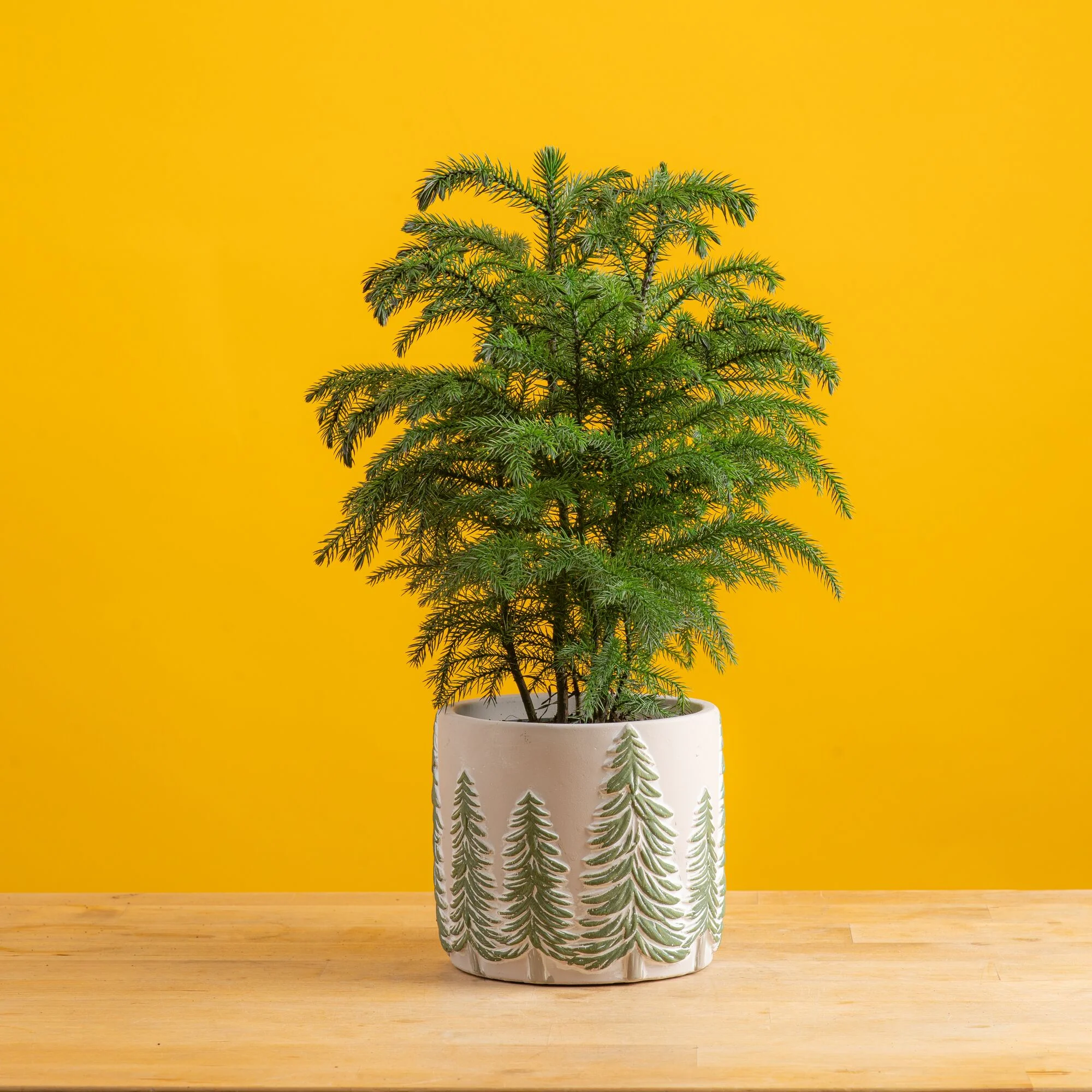 If your goal is a tree that can stay inside all year, few options are as reliable as the Norfolk Island Pine. Despite the name, it is not a true pine but a tropical conifer that naturally grows in coastal climates. Retailers describe Araucaria heterophylla as native to Norfolk Island, located somewhere between New Caledonia and Australia in the South Pacific, which explains why it prefers steady indoor temperatures and bright, indirect light instead of hard freezes. That climate profile makes it far more compatible with a heated apartment than a mountain fir that expects snow and deep cold.
Because it is adapted to the mild conditions of the South Pacific, a Norfolk Island Pine can function as a true indoor tree, not just a temporary guest. Growers emphasize that, although it can eventually reach impressive heights outdoors, in a pot it grows slowly and responds well to pruning, which lets you keep it at a manageable size for years. Product listings highlight that, although it is sold as a “Live Indoor Christmas Tree,” it is fundamentally a houseplant that can be decorated in December and then left to quietly photosynthesize by a window for the rest of the year.
How to decorate Norfolk Island Pine without stressing it
Once you bring a Norfolk Island Pine home, the temptation is to treat it exactly like a traditional Christmas tree, with heavy glass ornaments and hot incandescent strings. That is where many people go wrong. The branches of Araucaria are more flexible and delicate than those of a cut fir, so they are better suited to lightweight decorations, such as paper ornaments, felt garlands, or small LED fairy lights that do not heat up. Keeping the load light prevents branches from bending or snapping and reduces the risk of damaging the growing tips that shape the tree’s future form.
Retail descriptions of Our Norfolk Pine lean into this playful side, noting that Araucaria heterophylla is “ready for all manner of decoration and costume” and highlighting his upright, tiered habit that naturally showcases ornaments. That structure lets you drape lights and hang baubles without burying the foliage, as long as you avoid anything that tugs the branches downward. Treating the tree as a living roommate rather than a prop, and keeping decorations gentle, helps it emerge from the holidays without broken limbs or scorched needles.
Choosing the right size and container for indoor display
Size matters when you are trying to keep a potted tree alive indoors. A massive root ball in a tiny apartment is hard to maneuver, and a very small pot dries out quickly under holiday lights and heating vents. Compact specimens in the 2 to 3 foot range are easier to move between rooms, rotate toward the light, and carry outdoors when the season ends. They also fit more comfortably on a low table or plant stand, which keeps them away from floor‑level drafts and curious pets.
Retailers now market Norfolk Island Pine in sizes tailored to this niche, including “large” versions described as Decorate for the season with this 32 to 36 inch Christmas tree that is “Perfect for” adding festive flair. That 32 inch range is tall enough to feel like a real tree but still light enough to move without help. Pairing that scale with a sturdy, slightly oversized pot and a well draining soil mix gives the roots room to grow while reducing the risk of waterlogged soil that can lead to rot.
Watering and light: daily care that keeps trees alive past January
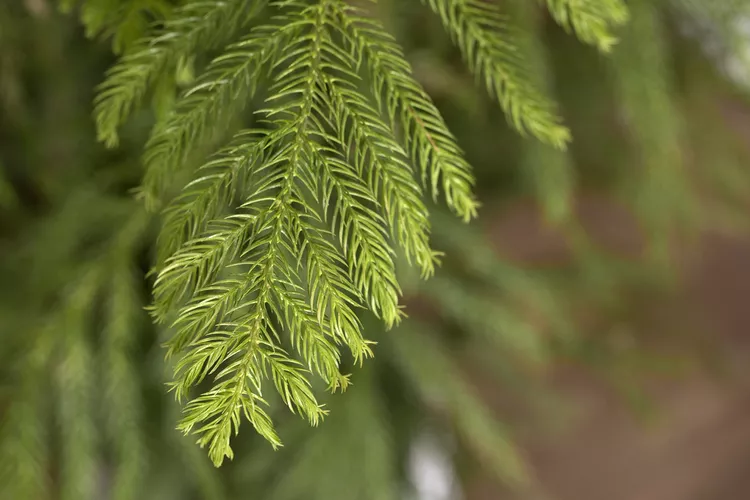
Indoor conifers fail less from lack of love than from the wrong kind of attention. Overwatering is a common problem, especially when you are used to topping up a cut tree stand every day. Living trees in pots need a more measured approach. Growers advise checking the top layer of soil with your fingers and only watering when it feels dry to the touch, then soaking thoroughly so moisture reaches the entire root ball. Guidance for how often to water emphasizes monitoring the moisture level around the plant instead of following a rigid schedule, which helps you avoid both drought stress and soggy roots.
Light is just as critical. Even adaptable species like Norfolk Island Pine and compact Picea or Pinus cultivars need bright conditions to stay dense and green. Position your tree near a south or east facing window where it receives strong indirect light, and rotate the pot every week so all sides develop evenly. If your home is particularly dim in winter, a small LED grow light can supplement natural light and prevent the tree from stretching toward a single window. Consistent light and careful watering turn a seasonal decoration into a stable houseplant that looks as good in March as it did in December.
Managing temperature, dormancy, and time indoors
Even when a tree is sold as a living Christmas centerpiece, it still has biological expectations about temperature and seasonal rhythm. Many conifers need a cool period to rest, and even tropical species dislike sudden swings from cold porches to hot, dry living rooms. Before you bring a potted tree inside, it helps to acclimate it gradually, moving it from outdoor cold to a sheltered porch, then into the house, so the change in temperature and humidity is less abrupt. Once indoors, keep it away from radiators, fireplaces, and blasting vents that can desiccate needles.
Guidance on Living Christmas Tree Care stresses that your room should be kept on the cooler side and that the tree should not stay indoors for more than a few weeks, especially for cold hardy species that rely on winter dormancy. The advice is to water the tree well by thoroughly soaking the entire root ball before bringing it in, then return it outdoors after the holidays so it can settle back into its natural cycle and break dormancy properly in spring. Even with Norfolk Island Pine, which tolerates year round indoor life, avoiding hot drafts and maintaining stable temperatures will reduce stress and keep growth steady.
Beyond Norfolk: other compact conifers that can pull double duty
While Norfolk Island Pine is the most forgiving option for a year round indoor tree, it is not the only candidate for a potted holiday display. Dwarf spruces and pines, especially those bred for container culture, can spend a limited stint inside as long as you respect their need for cold and light. Cultivars like Picea glauca “Super Green” and Pinus pinea “Silver Crest” are marketed specifically as compact Living Christmas trees, which signals that they can handle the temporary stress of indoor display if you plan to move them back outside afterward.
These trees are best treated as outdoor container plants that visit your living room for a short holiday engagement. You can decorate them with lightweight ornaments and cool LED lights, then return them to a balcony, patio, or garden once the festivities end. Over several years, they can grow into substantial specimens that anchor a container garden or even be transplanted into the ground in suitable climates. The tradeoff is that, unlike a Norfolk Island Pine, they should not be kept indoors all year, because they still rely on winter dormancy and full sun to stay healthy.
Building a long term tradition around a single tree
Once you understand the limits of each species, you can design a holiday tradition that revolves around a single living tree instead of a new purchase every season. For some households, that might mean a Norfolk Island Pine that lives permanently in a bright corner, dressed up with lights and ornaments in December and left as a sculptural houseplant the rest of the year. For others, it could be a rotation of compact Picea or Pinus trees that spend most of their time outdoors but come inside for a few weeks as a centerpiece.
Retail offerings reflect this shift, with multiple listings positioning Araucaria heterophylla as a “Live Indoor Christmas Tree” and highlighting that Araucaria is both decorative and durable when treated as a houseplant. Larger sizes, such as the 32 to 36 inch Norfolk Island Pine marketed as “Perfect for” seasonal decor, show how growers are tailoring products to people who want a reusable, living tree that fits modern homes. With consistent care, that single plant can become a familiar presence in family photos, quietly growing alongside the people who gather around it each year.
Practical checklist: how to help your potted tree actually thrive
Turning a potted Christmas tree into a thriving indoor plant comes down to a few repeatable habits. Start by choosing a species that matches your space and expectations, such as a Norfolk Island Pine for year round indoor life or a compact spruce that will spend most of its time outside. Pick a size you can move easily, like the roughly 32 inch range highlighted in Christmas product descriptions, and pot it in a container with drainage holes and a saucer to catch excess water.
From there, focus on daily care. Place the tree in bright, indirect light, rotate it weekly, and water only when the top of the soil feels dry, soaking the root ball thoroughly and then letting it drain. Keep it away from heat sources and drafts, and limit indoor time for cold hardy species so they still experience a proper winter. Decorate with lightweight ornaments and cool LEDs, avoiding anything that weighs down branches or generates heat. If you follow those steps, your potted tree is far more likely to survive the holidays, settle back into its role as a houseplant, and be ready to shine again when the next season rolls around.
More from Decluttering Mom: