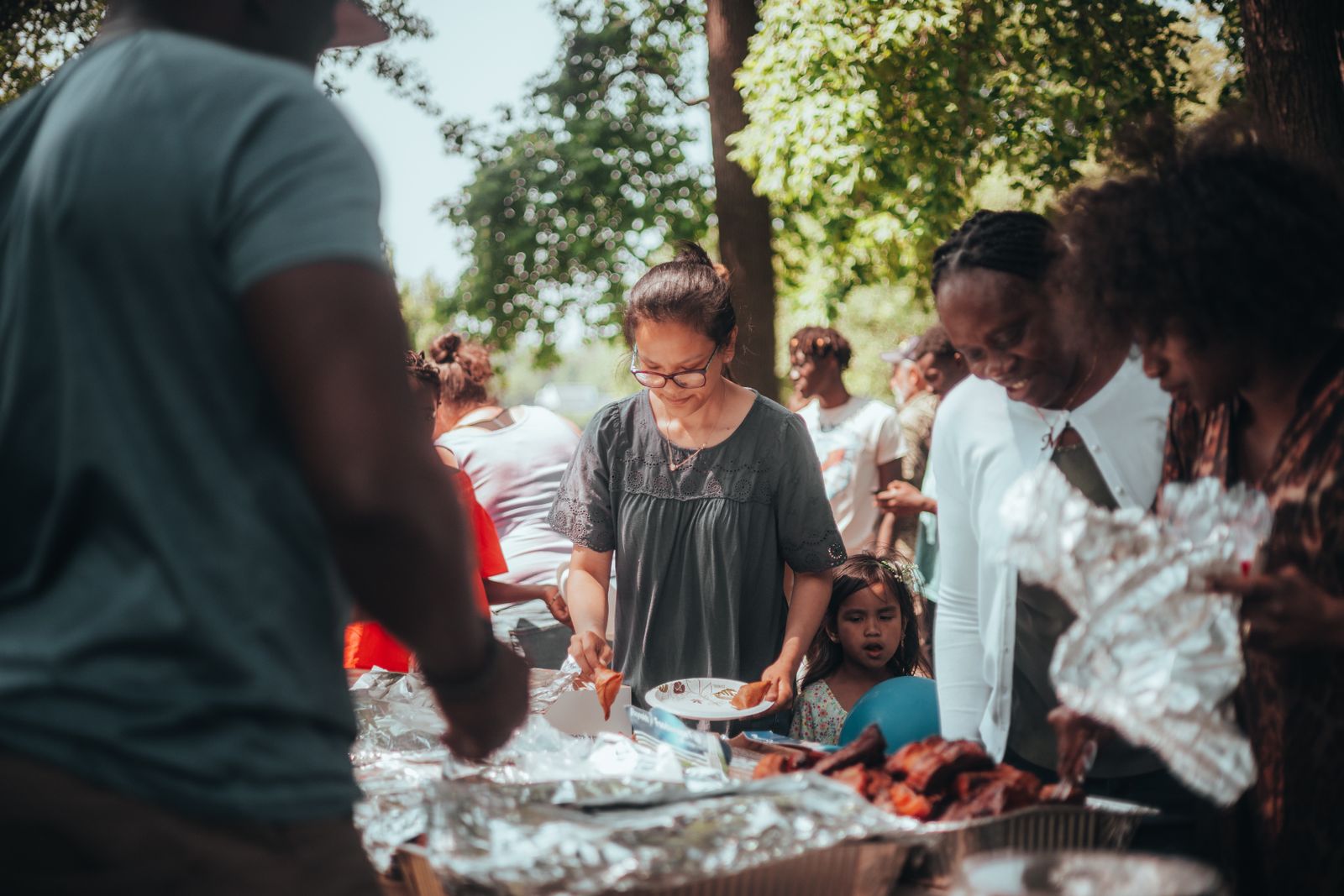
At a school cookout that was more confusing than festive, one mom found herself caught off guard when she discovered the pre-K students weren’t getting the promised hot dogs. The event, which was advertised as a cookout, quickly became an odd mix of expectation and disappointment, leaving her unsure of how to navigate the unexpected dynamics around her.
Arriving for her son’s last day of pre-K, she learned that while hot dogs were available, they would cost $5 each. Even more surprising was the revelation from the teacher that the pre-K kids wouldn’t be receiving any hot dogs at all. With three kids in tow, she’d brought her own Chick-fil-A meal, but the atmosphere shifted when a child approached their blanket, staring while they settled in.
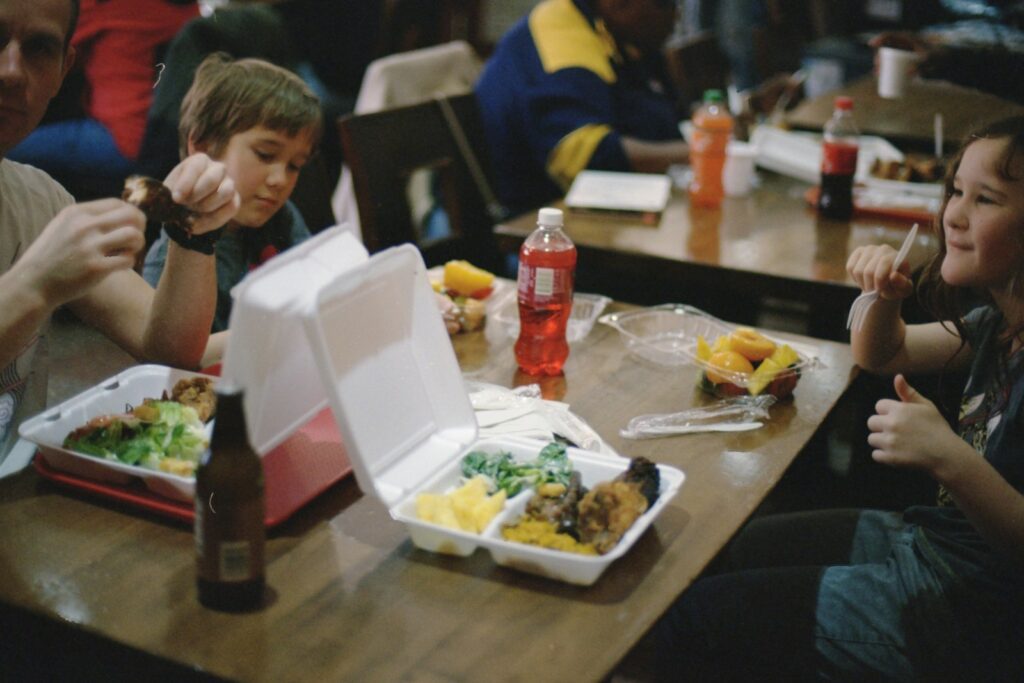
Feeling awkward, she politely explained to the child that they didn’t have enough food to share and encouraged him to return to his teacher. Instead of a casual picnic, this quickly turned into a moment where the parent felt an unanticipated pressure to accommodate another child’s hunger. She had no intention of being rude, but the situation created some discomfort.
As if on cue, another child and his dad soon joined them, further complicating matters. The dad asked if his son could sit with them, and she agreed, but unease began to creep in. Eating in front of a child with nothing felt wrong, and after a moment of hesitation, she offered the untouched food to the boy, hoping to alleviate the awkwardness.
The parent left feeling overwhelmed, not by the children but by the lack of organization that turned a fun farewell into a stressful experience. She noted how unclear the cookout’s provisions were, mentioning that it felt confusing to call it a cookout without actually providing food for the kids. It seemed that there was no real plan for managing children whose parents didn’t show up.
In a moment intended for celebration, the experience had morphed into one filled with anxiety. Sharing food with kids who weren’t hers felt kind-hearted, but also unexpected and frustrating. The parent never expected to be responsible for feeding others at her child’s school event. She wondered about what to do in the future when faced with another hungry child looking for food when the situation didn’t align with her expectations.
People had very different reactions to her story. Some thought she handled the situation well by sharing her food, seeing it as an act of kindness that set a positive example. They pointed out that it’s natural to want to help a child in need, especially when it’s right in front of you.
Others, however, suggested she could have easily set firmer boundaries. They argued that it’s okay to prioritize her own kids and not feel obligated to share, especially when caught off guard by a lack of planning from the school. Some echoed their own experiences with similar situations, reinforcing the idea that events like these can often turn chaotic.
The incident stirred up conversations about expectations at school events and the need for clearer communication. With parents often going in with their own plans, it can be unsettling when those plans are sidestepped by unexpected scenarios. The pressure to be accommodating in such moments can feel like an added burden, particularly in settings meant to be joyful.
In reflecting on the experience, the parent wondered how others would handle similar situations. It raises the question: How should one balance kindness towards others without feeling taken advantage of? After all, school events are rarely straightforward, and navigating them can be tricky when unanticipated social dynamics come into play.
More from Decluttering Mom: