One mom found herself taken aback when she realized her husband’s family lunch also included someone just off the hook from a serious illness. As the clock ticked down to the day of the gathering, her husband casually mentioned that his sister’s fiancé had recently battled a bad virus. After days of illness, he was finally feeling better and planned to attend the lunch. That’s when she felt a wave of concern wash over her.
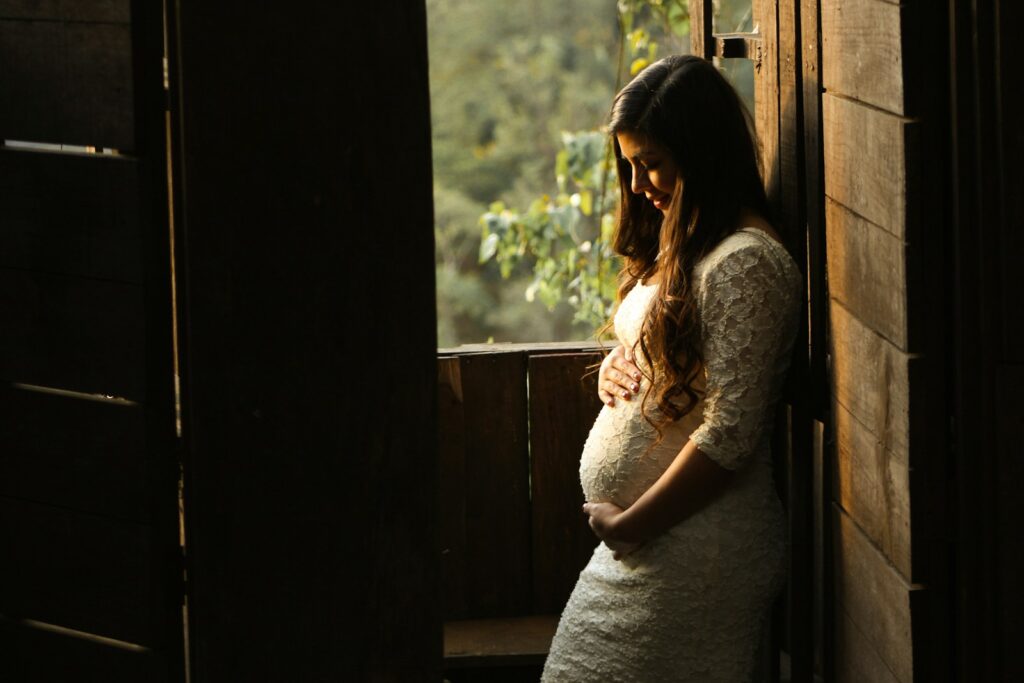
At nearly seven months pregnant, the mom was immediately uneasy. Her protective instincts kicked in, prompting her to voice her concerns. The thought of the fiancé—who had been unwell just days prior—mingling with the group made her anxious. She imagined the potential for exposure to illnesses like influenza or COVID and wondered about the risk to her unborn child.
She proceeded to tell her husband that attending the lunch was off the table for them. The reasoning was simple: he could very well still be contagious. Even if the fiancé felt better, viruses often linger longer than symptoms suggest. The incubation periods for many viruses could extend up to two weeks, and contamination could have already spread among the family members.
As she elaborated on her worries, it wasn’t just her health at stake; she also considered her husband’s safety. If he went to lunch and caught something, he could easily bring it home. For her, the risks outweighed the benefits of attending a family gathering, even if it was a celebration.
What surprised her most was the apparent lack of concern from her husband’s side of the family. How could they not see the potential risks posed by inviting someone who had recently recovered from a serious illness? The mom felt a mix of disbelief and frustration. The assumption that her family would simply gather together without considering safety protocols felt unusual and misplaced.
People had very different reactions when the mom shared her story on Reddit. Some thought she was being overly cautious. They pointed out that he had just recovered and was likely no longer contagious. After all, people often bounce back quickly from illnesses, right? Others, however, empathized with her concerns and supported her decision to skip the lunch. They shared stories about families who had faced outbreaks after similar situations.
One commenter noted that the pandemic had shifted perspectives on illness and gatherings. The desire to keep loved ones safe had become paramount, especially for those at higher risk, such as pregnant women. They argued that the mom’s concerns were valid and entirely reasonable, considering the potential consequences.
Others pointed out the importance of communication in these situations. They suggested that the mom’s husband should have addressed her concerns with his family. Had they been aware of her pregnancy and feelings about health risks, maybe they would have reconsidered the gathering or opted for a different arrangement altogether. It was a reminder that being transparent about health and safety could lead to better understanding within families.
As the conversation unfolded in the comments, the complexity of the situation became even clearer. Some users reflected on their family dynamics and how illness had affected their gatherings. Others felt the mom’s anxiety was a common reaction in today’s world, especially with so many uncertainties surrounding health and safety.
In the end, the original poster was left wondering if her concerns were excessive or simply a matter of common sense. Did she misread the situation, or was it her family’s oversight that led to this uncomfortable scenario? As family dynamics continue to evolve, especially regarding health, the question remains: how does one navigate the fine line between protecting oneself and engaging with loved ones?
More from Decluttering Mom: