

Open almost any kitchen cabinet these days and there it is: a tumbling wall of insulated tumblers, sports bottles and travel cups. @thedeclutter.co, a home organizer, has seen enough. “Hold your hand when I say this,” she begins, “but you do not need another water bottle.”

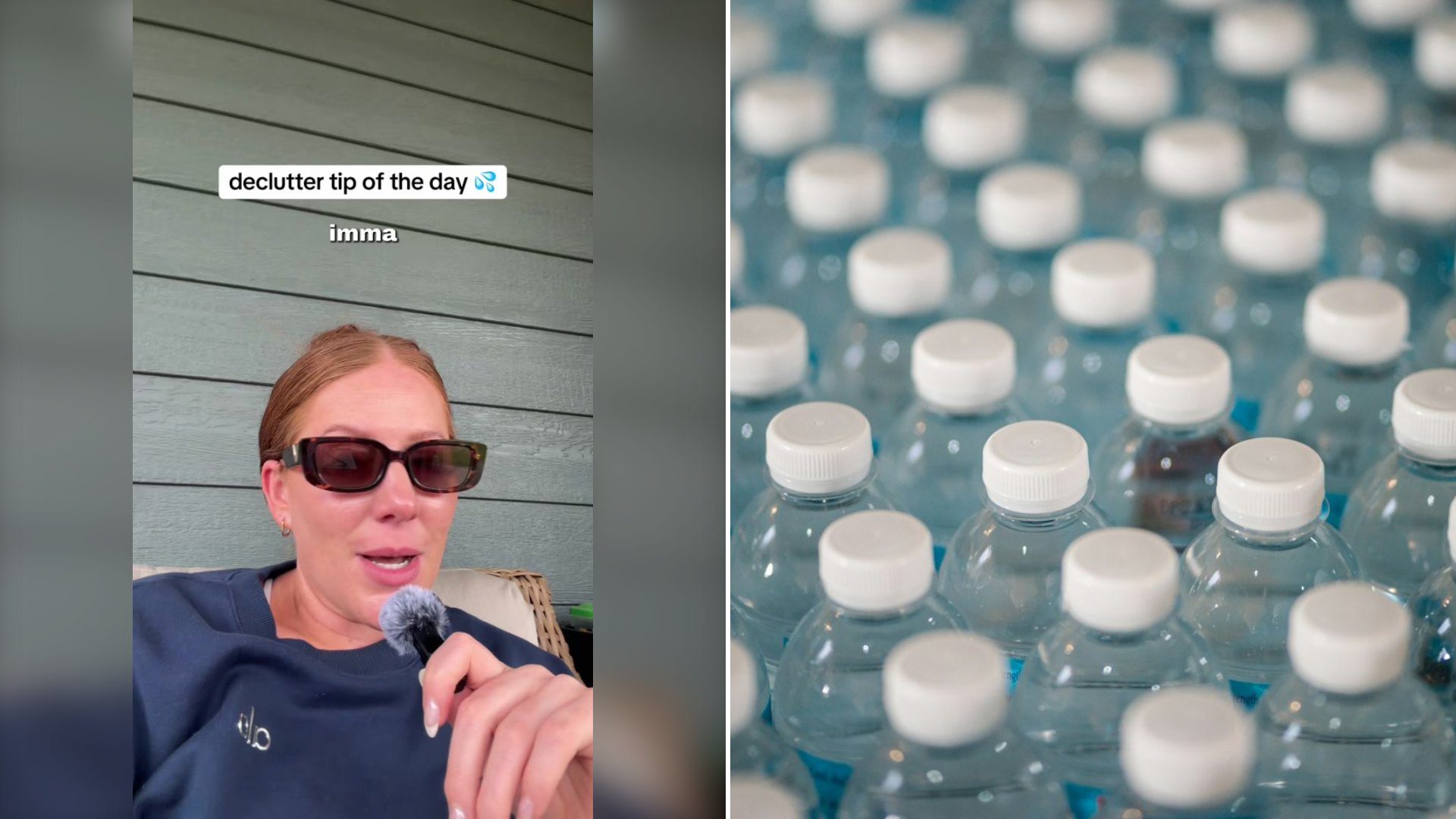
She does not soften it much from there. “Take your hands off of it. Stop shopping for new ones,” she says. “I promise you that you don’t need a new one.”
Her target is the steady stream of new colors and special releases that keep tempting shoppers. “You don’t need a seasonal one,” she says. “You don’t need the brand new exclusive sold only one time water bottle because it’s a cool new print for summer. Use up the other 50 ones that you already have at your house.”
Then she turns to what she calls “the water bottle cabinet that I know all of you guys have.” Her advice is to go through it until only a handful remain. “You only need five water bottles,” she says. “If one breaks, throw it away, then you can buy a new one. It’s absolutely so unnecessary to have hundreds of water bottles in your house.”
She goes even further with a simple per-person rule. “I would say even every single family member in your house, including yourself, only needs two water bottles, two,” she says. She allows a little wiggle room for children, since they take bottles to school every day and those often come home dirty and need washing. “But like listen, two is fine.”
Her final word is aimed squarely at the most popular brands. “Stop buying all the Stanleys,” she says, adding that nobody really needs the Owalas either. “This is getting out of hand. No more.” Her caption puts it more gently: “You don’t need 50 Stanley’s my love. It’s just getting out of hand. Let them go.”
@thedeclutter.co
How to Pare Down the Water Bottle Cabinet
If her words hit a little close to home, here is a simple way to tackle the collection in about half an hour.
Pull everything out. Empty the cabinet, plus any bottles hiding in cars, gym bags, desk drawers and the dishwasher. Seeing the whole pile at once is usually all the motivation you need.
Match every bottle to its lid. Any bottle without a lid, and any lid without a bottle, goes first. So do bottles with cracked lids, broken straws or seals that leak.
Do the smell and stain test. If a bottle holds onto odors or has stains you cannot scrub out, let it go.
Keep the ones you reach for. Most people have two or three favorites they use every day. Keep those, plus the ones that fit your car’s cup holder and your dishwasher.
Count per person. Use her two-per-person guideline as a starting point, add a few for school-age kids, and set the rest aside.
Where the Extra Bottles Can Go
Clean, lidded bottles in good condition can go to a thrift store or charity donation center. Some homeless shelters, schools, scout troops and youth sports teams welcome reusable bottles too, so it is worth asking around in your community.
Bottles that are damaged are trickier. Stainless steel bottles and tumblers are often accepted by scrap metal recyclers once the plastic lids are removed. Plastic bottles and lids vary, so check your local recycling rules before tossing them in the bin, since many programs do not accept them.
Before donating, run every bottle through the dishwasher or a hot, soapy wash and dry it completely with the lid off. A clean, odor-free bottle is far more likely to be put out on the shelf than thrown away by the donation center.
If you have a few spares in good shape, consider keeping one in the car for emergencies or tucking one into a guest room. Just set a limit and stick to it.
Keeping the Collection From Growing Back
The trouble with water bottles is that they rarely wear out, and new ones keep arriving as gifts, giveaways and impulse buys. A few habits keep the cabinet under control.
Give the cabinet a limit. Decide that bottles get one shelf, and when the shelf is full, nothing new comes in.
Follow one in, one out. If a new bottle catches your eye, decide which old one leaves before you bring it home.
Replace parts, not bottles. Many brands sell replacement lids, straws and gaskets, which can bring a favorite bottle back to life for a few dollars.
Wash them daily. Rinse bottles with warm, soapy water each day and let them air dry with the lid off. Clean bottles get used; smelly ones get shoved to the back and replaced.
Label the keepers. If every family member owns the same style, a strip of colored tape or a name sticker on each bottle ends the “whose is this?” debate and makes it obvious when a bottle goes missing.
Say no to freebies. Free bottles from events and conferences add up fast. Politely passing on them is the easiest decluttering of all.
As @thedeclutter.co sees it, the fix is not another organizer or another shelf. It is simply owning fewer bottles. Two per person may sound strict, but it frees up a whole cabinet.
More From Decluttering Mom
- Mom Shares Three Things She Wishes She Had Known Before Becoming a Mother Including Why Toddlers Are Harder Than Newborns and Sleep Progressions Feel Like a Scam
- Woman’s One Hundred Year Old Mother Clears Out Her Things Almost Every Week and Hands Them Over and This Week the Pile Held a Sewing Kit She Has Wanted Since Childhood
- Dresser Flipper Who Has Restored Over Three Hundred of Them Takes Fifty Dollars to a Thrift Store and Shows Why He Walked Past the Dresser With Metal Drawer Bottoms