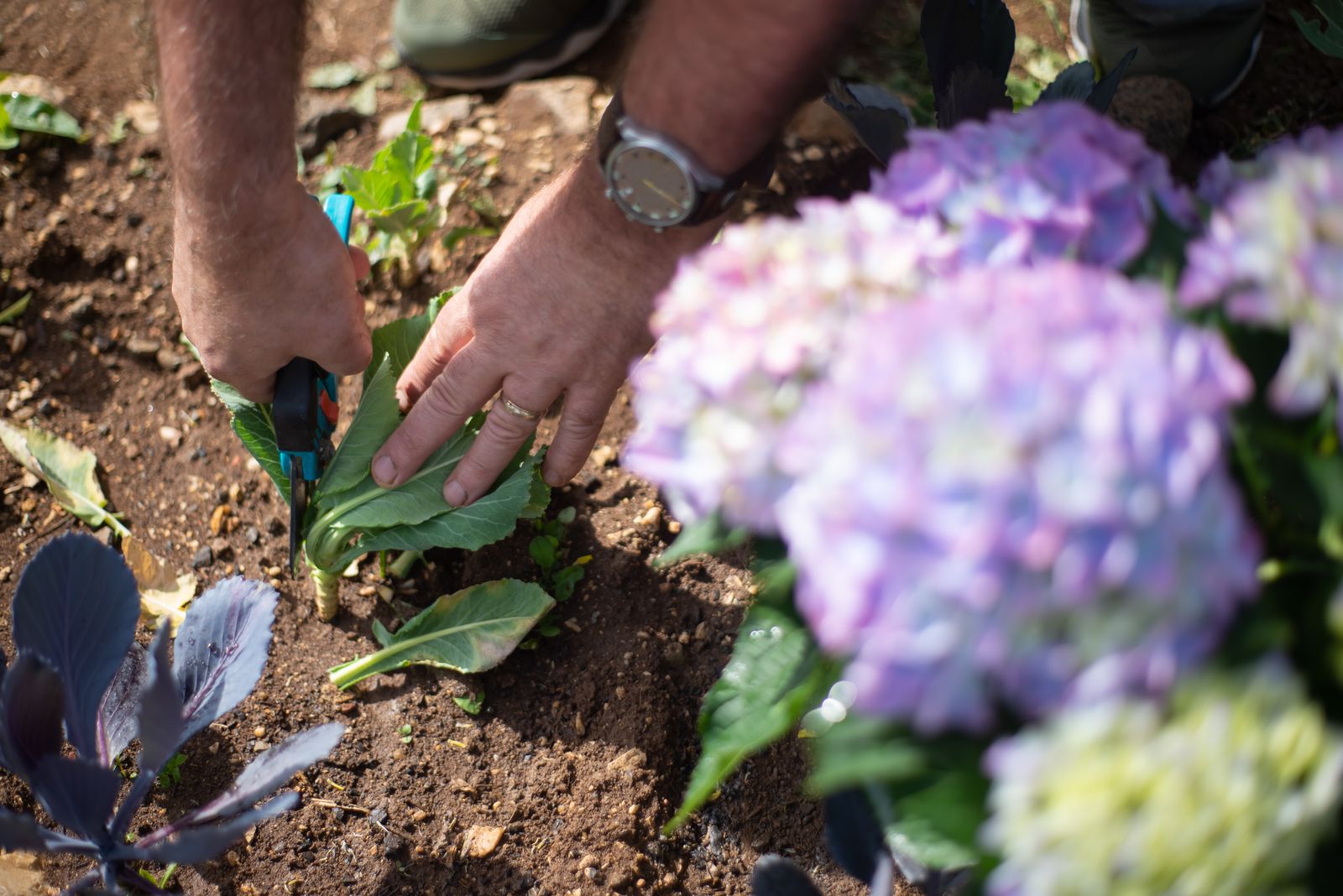
If you’re standing in the yard right now with pruning shears aimed at a hydrangea, put them down until you know which kind you’re holding. Late summer and early fall are exactly when bigleaf hydrangeas, the classic mophead and lacecap varieties most common in home landscapes, are forming the flower buds that will open next summer, and cutting those stems back now removes buds the plant has no way to replace. According to University of Minnesota Extension, standard bigleaf hydrangeas need to be pruned before August, because they set next year’s flower buds in late summer and early fall on stems that already exist. Prune after that window closes, which for most gardeners means right about now, and you’re cutting away a bloom season that hasn’t opened yet.

Why the Wood Matters More Than the Calendar
The mistake comes down to a distinction most gardeners never think to ask about: does this particular hydrangea bloom on old wood or new wood? University of Maryland Extension explains that old-wood bloomers, which include bigleaf, mountain, oakleaf, and climbing hydrangeas, develop their flower buds during the summer and fall of the year before those flowers actually open. Those buds sit dormant on the existing stems through winter. New-wood bloomers, by contrast, including smooth and panicle hydrangeas, form flower buds fresh each spring on that season’s new growth, which is exactly why they can be pruned hard in late winter without losing a single bloom. Cut an old-wood variety at the wrong time and, per UMD’s guidance, “many hydrangeas cannot replace flower buds that were accidentally removed.” There’s no regrowing what already got cut off, and no amount of fertilizer or extra sun the following spring will make a plant produce flowers from buds that are already gone.
The Bigleaf Trap Specifically
Bigleaf hydrangea, Hydrangea macrophylla, is the variety most likely to trip people up, both because it’s the most commonly planted hydrangea in home gardens and because its pruning window is narrower than most people assume. Clemson Cooperative Extension, in guidance from horticulture agent Andrew “Drew” Jeffers, states plainly that bigleaf hydrangeas “set flower buds on old wood, which develop in late summer and fall,” and that pruning should happen “immediately after flowering,” not months later once the plant looks scraggly and tempting to tidy up. That means the real pruning window for most bigleaf hydrangeas is early to mid-summer, right after the blooms fade, not the fall cleanup so many homeowners default to when they’re already out raking leaves and trimming everything else back for winter. It’s an especially easy mistake to make in early fall, when a bigleaf hydrangea’s leaves have started to look tired and the whole shrub reads as overdue for a haircut, even though the stems underneath are already carrying next year’s buds.

The Exception That Confuses Everyone
Reblooming cultivars like the Endless Summer series muddy the picture further, since they bloom on both old and new wood, which makes them noticeably more forgiving of an ill-timed cut. But that exception doesn’t apply to the classic bigleaf varieties most people already have in the ground, and it’s easy to assume your plant is one of the forgiving types when it isn’t. Panicle hydrangeas are the safest bet if you want a hydrangea you can prune on your own schedule. UMN Extension notes panicle types can be pruned “in fall, late winter or spring,” and smooth hydrangeas can even be cut nearly to the ground each spring without sacrificing flowers, since both set their buds fresh on new growth after winter.
What to Actually Do Right Now
If you’re not sure which type is in your yard, the safest move this time of year is to do nothing at all. Leave bigleaf, mountain, oakleaf, and climbing hydrangeas alone until they finish blooming next summer, then prune promptly afterward, before the plant starts setting the following year’s buds again. Deadheading spent blooms and removing dead or damaged wood is fine at any time and won’t cost you flowers. But a full pruning pass on the wrong hydrangea, done at the wrong time of year, is one of the more avoidable ways to spend a whole growing season staring at a bush that never blooms. If you inherited a hydrangea from a previous homeowner and don’t know its variety, watch it through one full bloom cycle before you cut anything back hard. A season of patience costs you nothing. A wrongly timed pruning session costs you the entire following summer’s flowers, and there’s no extension office trick that gets them back once they’re gone.