A lot of women think they would recognize relationship abuse immediately.
They picture something obvious. Something undeniable. Something they would never explain away.
But abuse often does not begin that way. It usually starts with patterns of power and control that can look, at first, like protectiveness, intense love, jealousy, constant checking in, or “concern” about your choices. Over time, those behaviors can become more isolating, more controlling, and more frightening. That is why abuse can be hard to name, especially when it is building gradually inside a relationship, a home, and a family life you are trying very hard to hold together.
For moms, that confusion can get even heavier.
When you are managing kids, routines, school pickups, meals, money, and the emotional temperature of the whole house, it becomes very easy to normalize behavior that is actually about control. A partner who always needs to know where you are. A partner who makes every disagreement feel like your fault. A partner who slowly makes your world smaller while telling you it is for your own good. Those things do not always look dramatic from the outside, but they are still warning signs.

Abuse Is Often About Control Long Before It Becomes Easier to Name
One of the clearest patterns across expert guidance is that abuse is not just about physical harm. It can include emotional abuse, sexual coercion, stalking, financial control, threats, intimidation, and technology-based monitoring. The core issue is power: one person using fear, pressure, humiliation, isolation, or control to dominate the other person.
That is why the warning signs moms often miss are not always the loudest ones first.
Sometimes it is being called names so often you start shrinking around the person. Sometimes it is extreme jealousy dressed up as love. Sometimes it is a partner controlling the money, tracking where you go, monitoring your phone or online activity, interfering with work or school, cutting you off from family and friends, or blaming you for their own behavior. The Mayo Clinic and The National Domestic Violence Hotline both list those as common warning signs, along with threats involving children or pets, sexual pressure, and attempts to control reproductive decisions such as birth control or pregnancy.
The Signs Moms Sometimes Explain Away
A lot of women do not miss the signs because they are naïve. They miss them because the signs arrive wrapped in context.
A partner says they are “just stressed.” A partner says they only check your phone because they care. A partner says the family budget means you should not have your own spending freedom. A partner says your friends are a bad influence, your family causes drama, your job takes too much from the kids, or your doctor is “putting ideas in your head.” Each individual moment can be explained away. The pattern is what matters. When the pattern keeps taking away your freedom, your privacy, your confidence, or your access to support, that is not healthy conflict. That is control.
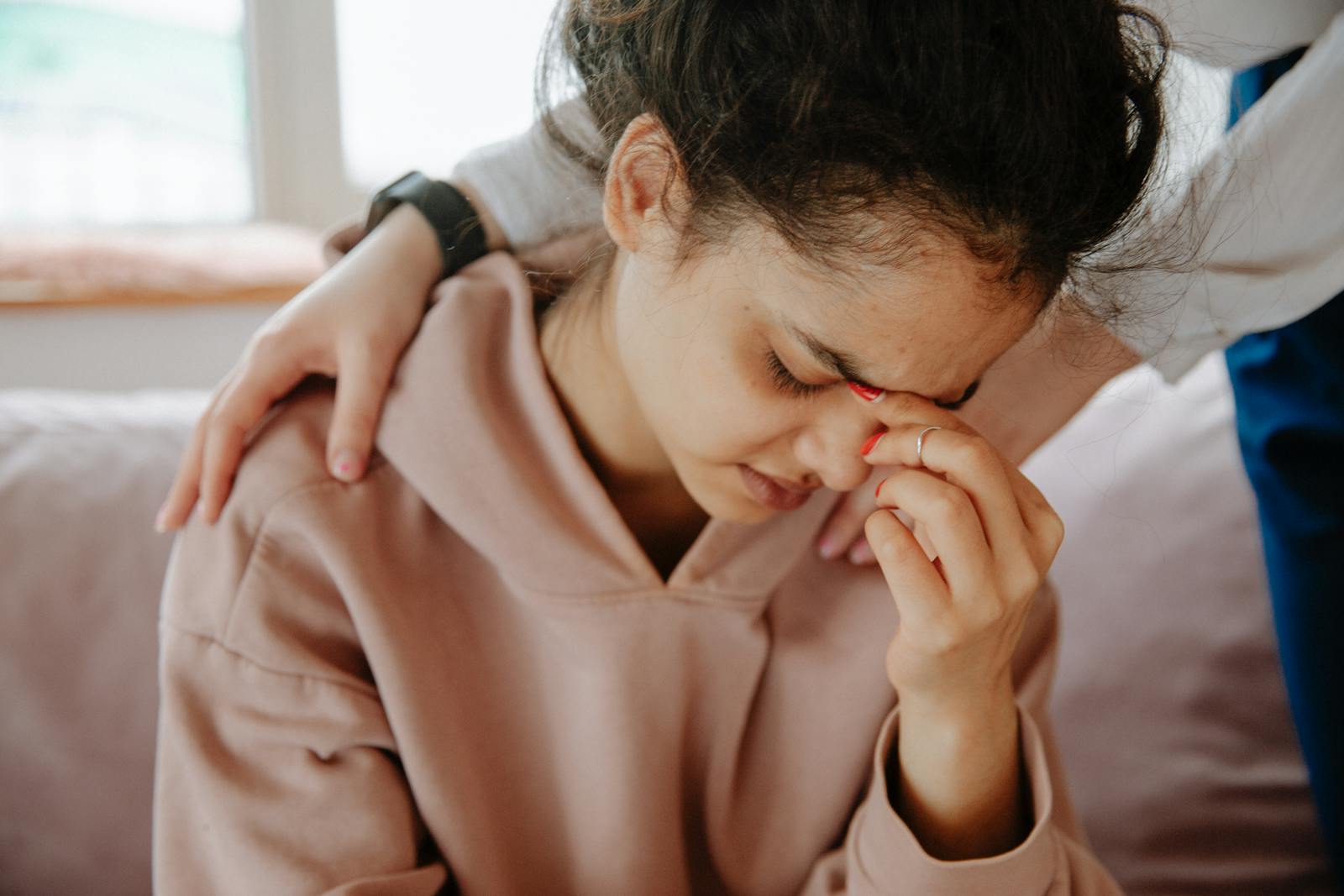
Another reason moms miss it is that abusive relationships often run in cycles. There may be tension, then harm, then apologies, promises, gifts, or a temporary stretch of calm. That cycle can make women question themselves, hold onto hope, or feel like maybe things are improving after all. The Mayo Clinic notes that over time, abuse often grows more frequent or more intense, even if the early stages were easier to minimize.
Children Notice More Than Adults Sometimes Admit
One of the most important things moms need to hear is that abuse affects children even when no one is directly laying hands on them.
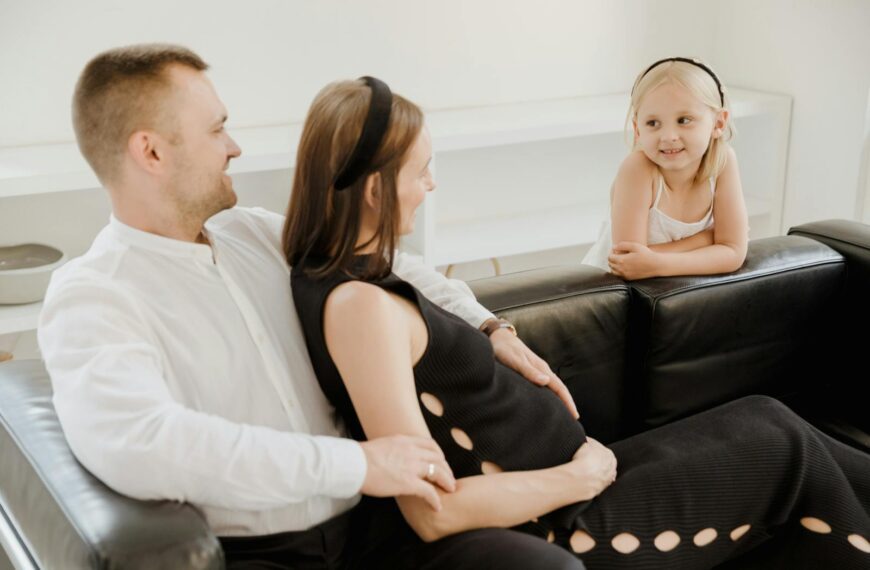
Living in a home shaped by fear, threats, intimidation, or constant instability can affect children’s emotional, social, and developmental well-being. Expert guidance also notes that abuse can begin or get worse during pregnancy, and that getting help is one of the best ways to protect both a parent and a child.
That can be hard to face, especially when a mother has been telling herself the relationship problems are “just between adults.” But if the home is built around one person’s control, everybody in the house feels it.
What to Do If Something Feels Off
If any of this feels familiar, the first step is not to argue yourself out of what you know.
Talk to someone safe. That could be a trusted friend, family member, healthcare professional, counselor, or advocate. If you feel scared, vulnerable, or threatened, make a safety plan and use a device your partner cannot access if possible. In the U.S., The National Domestic Violence Hotline says live help is available 24/7 by call, chat, or text, and in an emergency you should call 911.
The most important thing to remember is this: abuse does not have to be obvious to be real.
If a relationship is making you feel afraid, controlled, watched, cut off, constantly blamed, or smaller than yourself, that matters. You do not have to wait for it to look worse before taking your own discomfort seriously.
More from Decluttering Mom: