Removing a single large tree (one taller than 60 feet) typically runs homeowners $800 to $2,000, and jobs involving disease, tight access, or nearby power lines can climb into the thousands beyond that, according to fresh contractor pricing from Angi. Overall, tree removal averages around $750 across all sizes, but that number is misleading for the big, mature trees homeowners actually worry about after a storm: those jobs routinely land well over a thousand dollars once the size, condition, and location of the tree factor in.
Size Is the Biggest Single Price Driver
Angi’s data breaks tree removal cost down almost entirely by height. A tree under 30 feet runs $150 to $450 to remove. Once a tree reaches 30 to 60 feet, the range jumps to $450 to $1,200. Trees between 60 and 80 feet, mature oaks, maples, and similar shade trees common in older neighborhoods, run $800 to $1,500. And anything over 80 feet, the kind of tree that can do real damage to a roof if it falls, costs $1,000 to $2,000 to remove safely. The jump between size brackets reflects both the added labor time and the heavier equipment needed to bring down a large trunk in sections rather than all at once.
A Diseased Tree Costs More, Not Less
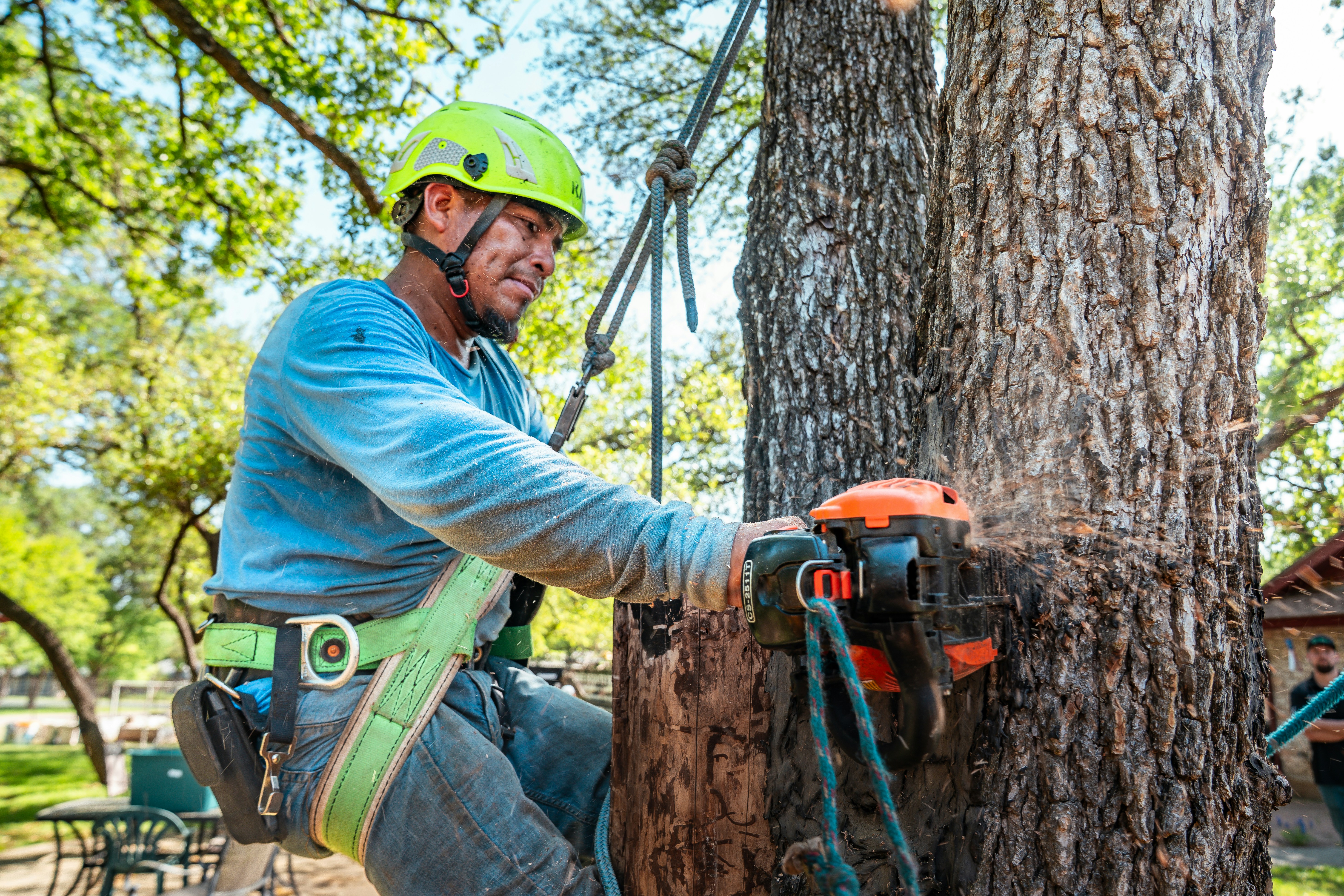
It might seem like a dead or diseased tree, with less solid wood to cut through, should be cheaper to remove. The opposite is usually true. Angi pegs removal of a diseased tree with compromised, soft wood at $400 to $900, and that’s often on top of, not instead of, the size-based pricing, because diseased trees are structurally unpredictable. Weak limbs and unstable trunk sections make the job more dangerous and slower to execute safely, and crews typically charge more to account for the added risk and the extra rigging required to control how sections fall.
Access Problems Add 25% to 50% to the Bill
A tree that’s easy to reach with a truck and standard equipment is a straightforward job. One tucked behind a fence, wedged between structures, or growing on a steep slope is not. Angi’s pricing data shows hard-to-reach or unsafe locations adding 25% to 50% on top of the base cost, since crews often have to bring in smaller equipment, work more sections by hand, or rig ropes and pulleys to lower cut limbs instead of letting them drop. Trees growing close to a house, fence, or shed generally fall into this same higher-cost category, since precision matters more than speed.
Power Lines Change the Math Entirely
Trees growing into or near power lines are in a different cost category altogether: Angi’s data shows these jobs can run upward of $10,000, largely because utility coordination and specialized line-clearance crews are often required before a tree service can even start cutting. In many cases, homeowners have to schedule with the utility company to have the tree evaluated or have lines temporarily de-energized, which adds both cost and time to a project that would otherwise be routine.
Don’t Forget the Stump
Tree removal pricing typically doesn’t include what’s left behind. Stump removal or grinding runs $100 to $150 for the first stump and about $50 for each additional one, per Angi, and debris hauling adds roughly $70 more. Skipping stump removal saves money upfront but leaves a tripping hazard and, for some species, a chance the roots resprout, worth weighing against the modest added cost of finishing the job completely.
Location Shifts the Baseline Too
Beyond tree size and condition, where a homeowner lives moves the price independently. Angi’s data shows city-level averages ranging from roughly $450 to $1,100, reflecting differences in local labor rates, permitting requirements, and how much competition exists among tree services in a given metro area. Some municipalities also require a permit before a mature tree can be removed, particularly for protected or heritage species, which can add both cost and a waiting period to a project that otherwise seems straightforward.
Storm Damage Pushes Prices Higher Still
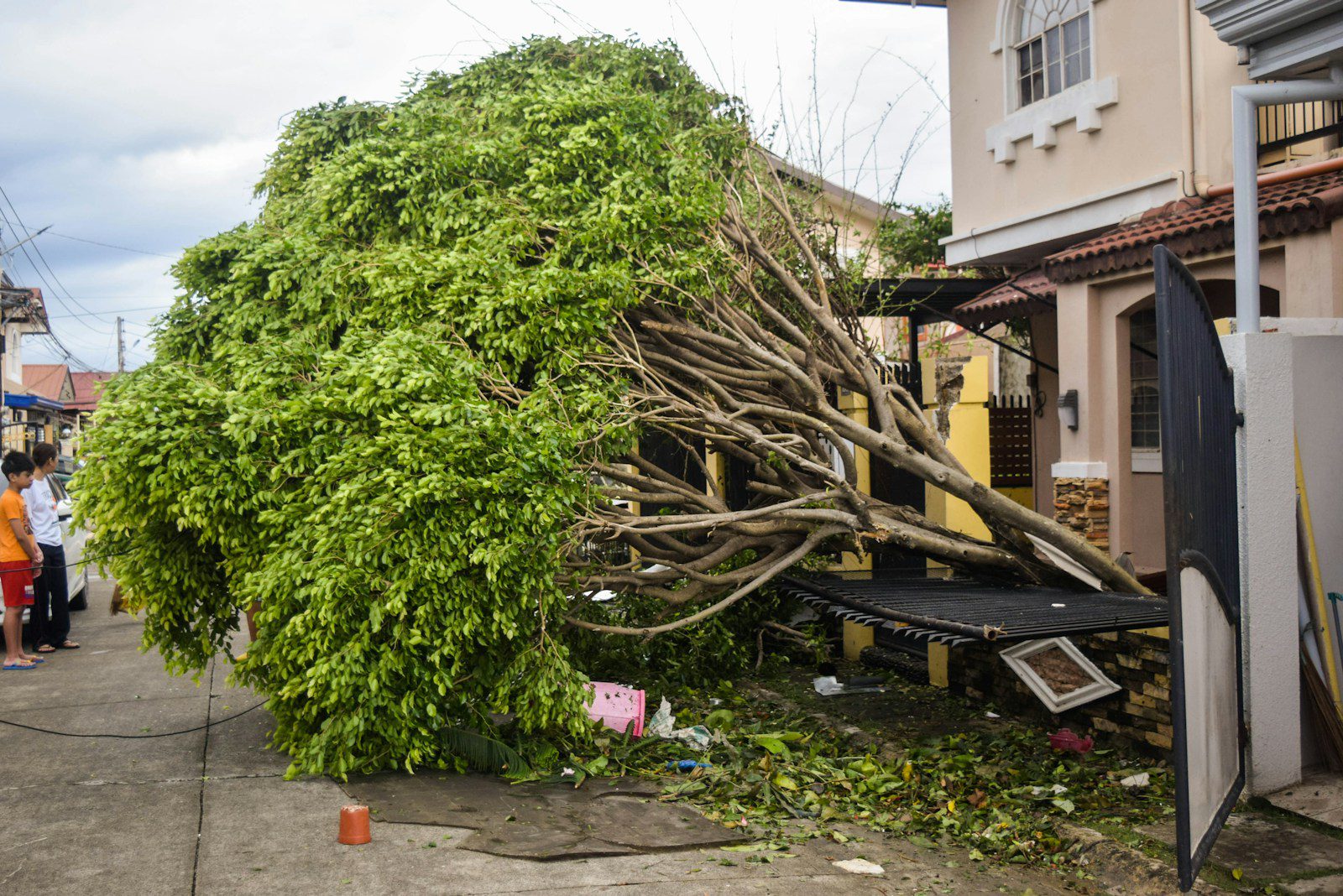
Emergency removal after a storm, when a tree has already fallen or is actively threatening a structure, can cost as much as $5,000, according to Angi, since crews charge a premium for urgent, after-hours, or hazardous work. Getting a tree assessed and removed proactively, before a storm turns a routine job into an emergency one, is consistently the cheaper path, even before accounting for the property damage a falling tree can cause.