You get an alert that a server added a $100 tip to a check and you freeze: the notification says you “never tip” and the charge is unmistakable. The incident in this story sparks questions about how a normal night out can turn into a public accusation and why technology can make small errors feel huge.
This post explains what happened, how the guest reacted, what investigators looked into, and how restaurant tech can escalate a simple mistake into a viral controversy.
As the tale unfolds, you’ll see how a mix of human error, app notifications, and social reaction created a tense scene — and what to watch for if something like this ever happens to you.
What Happened: The $100 Tip Controversy
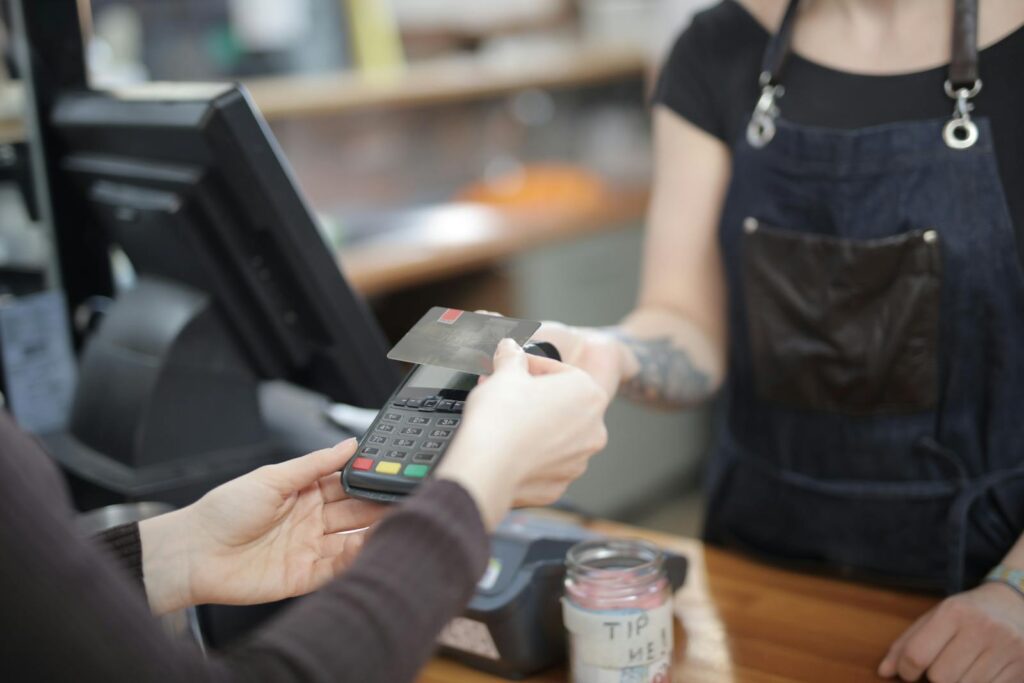
A diner received a payment alert showing a $142 charge — $42 for the bill and a $100 tip — and posted about it online. The post quickly drew attention, sparking questions about whether the tip was a mistake, a prank, or intentional.
Breaking Down the Viral Incident
The customer paid with a card and got an app notification showing the total and a $100 tip added by the server. The diner insisted they never left a tip that large and shared a photo of the receipt and the app alert on social media.
Screenshots show the restaurant’s terminal logged a $100 gratuity added after the card was swiped. The diner’s bank notification matched the receipt total, meaning funds left the account immediately. Viewers pointed out possible explanations: accidental input by the server, a dishonest employee, or a backend processing error.
Police and the restaurant’s manager were contacted in some versions of the story. The manager told several commenters they were investigating and reviewing the security camera footage and POS logs. Multiple posts claimed the establishment refunded the extra amount, but verifiable confirmation varied between accounts.
How the Alert Was Received
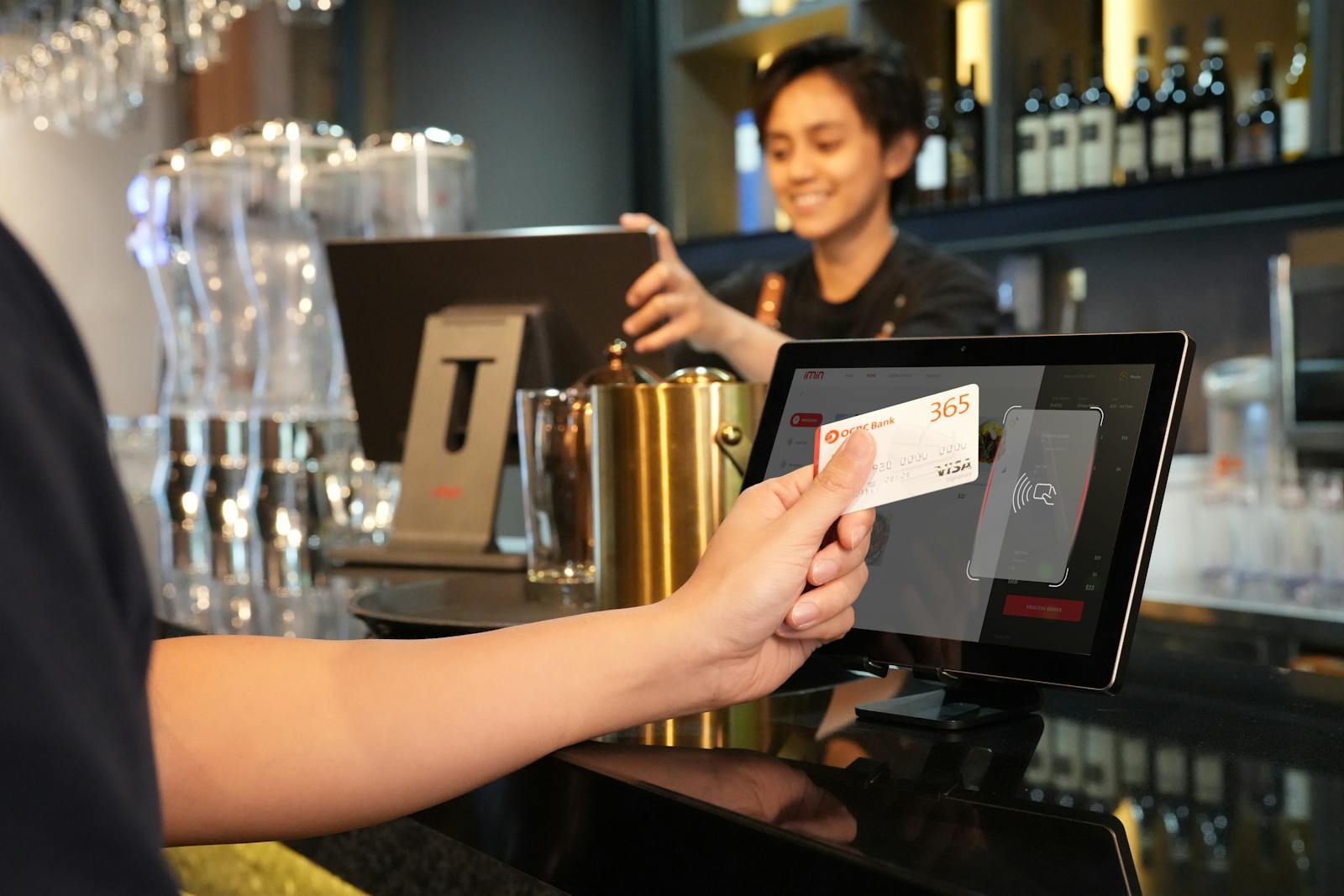
The alert came through the diner’s banking app and included the merchant name, time, and full amount charged. The app’s push notification language implied the charge finalized, which alarmed the customer and followers alike.
Many commenters noted the psychological shock of seeing an unexpected tip labeled as coming from them. The diner described immediate disbelief and then anger, saying, “They said I never tip — this can’t be me.” Social media shares amplified the moment, turning a private billing dispute into a public spectacle within hours.
The notification’s timestamp became important in the investigation because it helped correlate the app alert with POS logs and surveillance footage. That timeline helped the restaurant narrow the window when staff actions could have altered the charge.
Reactions from Restaurant Staff
Servers and managers posted mixed reactions on social platforms and in local interviews. Some staff defended the server, suggesting accidental keying or a mistyped amount during processing.
Other employees expressed frustration about being publicly accused before the restaurant completed its review. Management emphasized they take tip disputes seriously and promised to check camera footage, POS histories, and tip reporting to payroll.
A few current and former restaurant workers used the incident to highlight systemic vulnerabilities: busy shifts, handheld terminals, and tips entered manually can create mistakes. Several restaurants said they’re updating training and auditing procedures after similar incidents.
Guest’s Response to False Tipping Accusation
The guest reacted quickly and publicly, insisting the alert was wrong and that their normal tipping behavior contradicts the claim. They pushed back with screenshots, payment records, and comments showing frustration over the public accusation.
Denial and Shock on Social Media
They posted to social platforms within hours, calling the alert “a mistake” and asking followers if anyone else had seen similar billing errors. Short, pointed posts included a photo of the receipt where the alleged $100 tip appeared and a close-up of their card transaction history showing no $100 gratuity.
Comments show surprise and disbelief from friends and followers. Several asked for proof; the guest replied with timestamps and a statement that they never left such a tip, framing the alert as an embarrassing error that felt like public shaming.
Clarifying Tipping History
To counter the accusation, the guest shared past receipts and a summary of typical gratuities over recent visits, which averaged 15–20%. They highlighted a consistent pattern of moderate tips and included a screenshot of a rewards app that records past payments to reinforce the claim.
They also contacted the restaurant and the card processor to request an audit of the transaction. The guest emphasized wanting a correction on any public alert and a written confirmation from the restaurant if the charge was an internal mistake, aiming to restore the factual record rather than escalate the dispute.
Impact on the Guest’s Reputation
The alert spread quickly, and a few acquaintances messaged asking if the guest had changed their tipping habits. That social ripple created awkward conversations at work and among friends, since some people assumed the alert reflected intentional behavior.
By documenting evidence and pursuing formal inquiries, the guest limited gossip and encouraged factual corrections. A small group remained skeptical, but most responses shifted from accusation to curiosity once the guest supplied transaction records and the request for an official audit.
Investigating the Server’s Actions
The situation centers on a $100 tip added after a card payment and contradictory notifications sent to the guest. The inquiry looks at why the tip changed, the restaurant’s rules about adding gratuity, and how managers are resolving the dispute.
Possible Reasons for Tip Adjustment
Several scenarios could explain the extra $100. The server might have tapped an incorrect amount when manually entering a tip, especially if the POS system required numeric entry and the server mis-pressed a key.
Human error also includes selecting a preset tip option by mistake; many terminals show multiple percentage buttons close together.
Intentional misconduct is less common but still possible. A server could attempt to alter the receipt after the guest left, though most modern systems lock the card authorization once processed.
Technical glitches can also produce odd totals. Software bugs, failed syncs between the terminal and backend, or the card processor re-attempting a cached tip amount have occurred in other reported cases.
Restaurant Policies on Gratuity
Most restaurants separate automatic gratuity and manual tips in their policy documents. They typically state that only guests can authorize changes to tip amounts after card processing, and servers must not alter completed transactions without manager approval.
Policies often require servers to record any tip adjustments in writing and obtain a manager’s sign-off. This creates an audit trail for payroll and dispute resolution.
Many establishments use an electronic log that timestamps tip changes and ties them to a staff ID. That log shows whether a server edited a tip, who approved it, and when it occurred.
If the restaurant has third-party delivery or large-party auto-gratuity rules, those appear in the policy too, clarifying when the house can add a mandatory percentage and how notifications are sent to customers.
Management’s Steps for Resolution
Managers typically begin by pulling POS and terminal logs for the specific transaction. These logs include timestamps, staff IDs, terminal IDs, and any manual adjustments, which quickly indicate whether the change came from a server or system error.
Staff interviews follow. Managers ask the server on duty for a timeline and compare their account to camera footage if available. This helps confirm whether the tip was added while the guest was present or afterward.
The restaurant will contact the payment processor and the guest’s bank if logs show irregular activity. They may reverse the charge or issue a refund while the processor completes its fraud review.
Finally, managers often update procedures based on findings — retraining staff, tightening permission levels for tip edits, or patching software — to prevent similar incidents.
How Technology Amplifies Restaurant Incidents
Digital receipts, push alerts, and social sharing can turn a small billing error into a public controversy within minutes. Automated systems broadcast specific dollar amounts, timestamps, and locations that readers latch onto, while social platforms let a single complaint reach hundreds of thousands quickly.
Role of Payment Alerts
Payment alerts send exact details — card last digits, venue name, transaction amount, and tip line — directly to the guest’s phone. That precision makes anomalies obvious: a $100 tip on a card that usually shows $0 stands out immediately.
Restaurants use integrated POS systems that sync with payment processors and mobile wallets. When a tip is added after-close, the guest often receives an alert before staff can investigate, creating a perception that the guest personally authorized the charge.
Fraud detection and chargeback workflows exist, but they take time. In the interim, the alert is the only visible fact to the guest, so assumptions form fast. Clear in-app messaging and a staffed phone line can reduce confusion, but many operators lack that immediate response capability.
Social Media Outrage and Virality
A screenshot of a receipt or alert can go viral within hours. Platforms prioritize compact, emotional content, so a short post like “I never tip” gains shares and comments much faster than a measured explanation from the restaurant.
Virality multiplies reputational harm. Guests and non-guests alike forward the post, tag friends, and message the brand, creating a flood of attention that outpaces the restaurant’s ability to verify facts or correct errors. That pressure often forces premature statements that later require retraction.
Brands that monitor mentions in real time and respond with transparent, factual updates reduce escalation. Templates for rapid replies, and a single point person for public communications, help manage the narrative while investigations proceed.
Evolving Trust Between Guests and Restaurants
Repeated tech-driven incidents erode trust in both the payment ecosystem and the restaurant’s internal controls. Guests start questioning whether tips were added, whether orders changed, or whether loyalty rewards were altered without consent.
Restaurants must prove control with tangible actions: detailed digital receipts, accessible dispute channels, and visible audits of POS access logs. Showing a clear timeline — when the bill printed, who edited the ticket, when the payment posted — rebuilds confidence more effectively than vague assurances.
Trust also depends on consistency. If a restaurant handles disputes promptly and publishes concrete fixes (software updates, staff retraining, revised shifting policies), guests are more likely to accept honest mistakes and continue patronizing the brand.
More from Decluttering Mom: