
You want fluffy, perfect rice without the guesswork. Stop treating rice like pasta—boiling and draining often strips starch unevenly and makes timing the only control, which leads to clumpy or overhydrated grains. Cook rice with a measured absorption method instead: use the right water ratio, gentle heat, and a short resting period to get evenly cooked, separate grains every time.
This post will show how small technique changes—rinsing, water ratios, low simmering, and a brief steam rest—turn inconsistent results into reliably fluffy rice. You’ll learn why the pasta-style boil sometimes helps in layered dishes but usually undermines the steadiness you need for perfect rice across everyday meals.
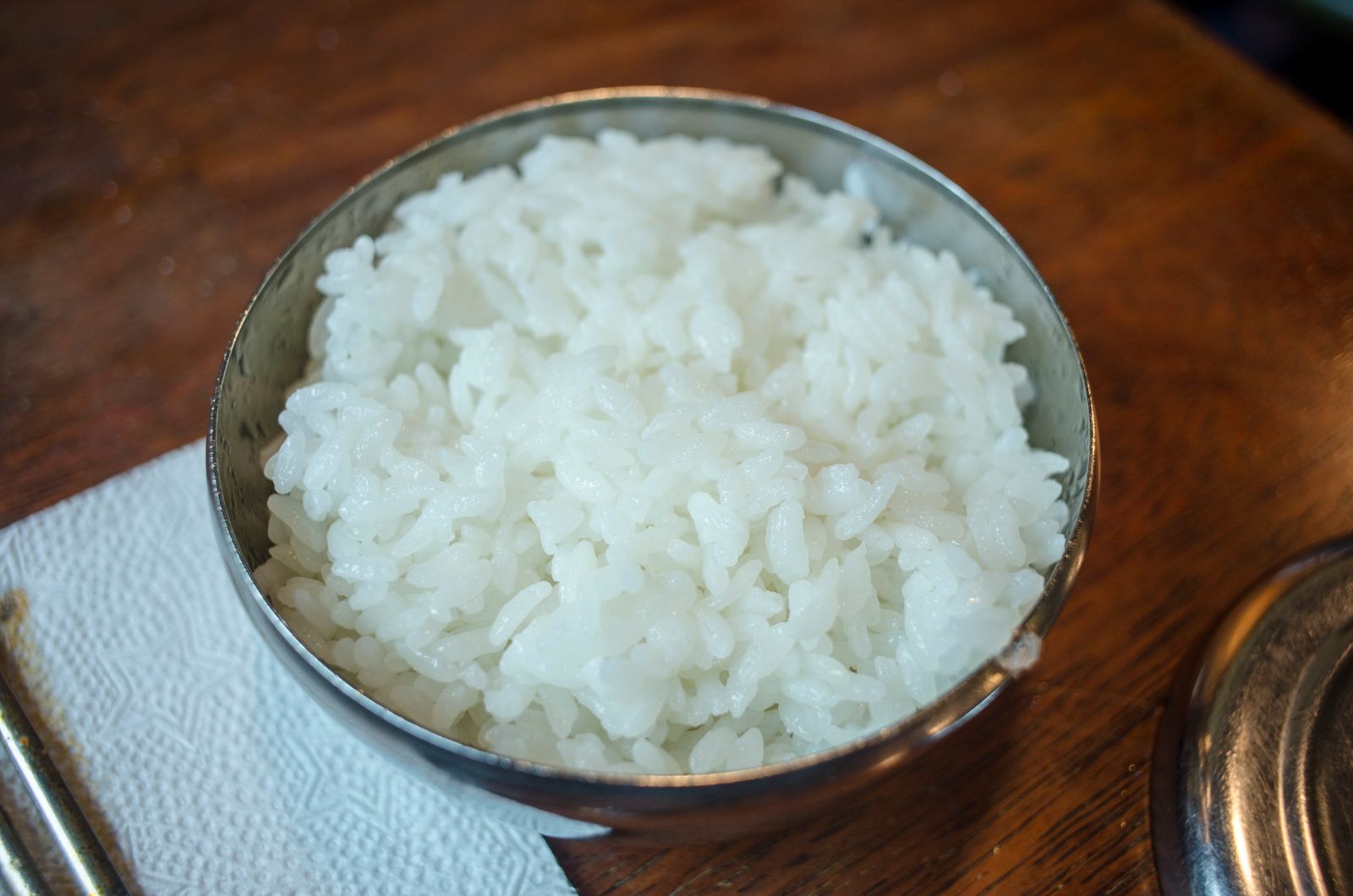
Understanding the Rice Cooking Techniques
You’ll learn how the absorption and pasta methods change hydration, starch behavior, and grain separation. That matters because small choices—how much water you add, when you stop boiling, whether you drain—determine whether your rice stays fluffy or becomes gluey.
Traditional Absorption Method Explained
The absorption method uses a measured water-to-rice ratio and a covered pot so the grains finish cooking in trapped steam. You typically bring the water and rice to a boil, reduce to a low simmer, cover, and cook until the liquid is absorbed. After removing from heat, you let the pot rest, covered, for carryover steam to finish the grains.
This method reduces hands-on work and conserves water. It also keeps more surface starch in the pot, which can deepen flavor but encourages slight clumping if you over-stir or use too much water. Use precise ratios and a gentle simmer for consistent results, especially with long-grain varieties.
Practical tip: measure rice by volume or weight, use the package-recommended ratio as a starting point, and resist lifting the lid during the cook. A short rest (5–10 minutes) before fluffing evens moisture throughout the pot.
The Pasta Method: Simplicity and Pitfalls
Cooking rice like pasta means boiling in abundant water, stirring, and draining when the grains reach your target doneness. You add rice to a large pot of rolling water and treat it like spaghetti, then drain and let it steam briefly. This is straightforward and makes timing the texture easy.
Benefits include very even hydration and cleaner separation because surface starch washes away in the cooking water. Downsides: you lose some rice flavor with the drained water, and the method requires precise timing—go too long and the grains go from firm to waterlogged quickly. It’s especially useful when you need distinct grains for salads, biryani, or layered rice dishes.
Practical tip: test a grain a minute or two before the expected finish time. If you plan a second cooking stage, stop at ~80–90% doneness so the rice holds shape during handling.
How Water-to-Rice Ratio Impacts Rice Texture
The water-to-rice ratio controls hydration and final texture more than pot size or stirring. In the absorption method, using the recommended ratio (commonly 1:1.5–1:2 water by volume for long-grain types) gives tender, cohesive rice. Too little water yields undercooked, chalky centers; too much makes mushy, starchy clumps.
In the pasta method, water is effectively unlimited, so ratio matters less during boiling but matters afterward if you finish rice by steaming with a measured amount of liquid. If you drain completely and then steam with a bit of water, add just enough so the grains finish without turning wet. Adjust ratios for rice type —short grain needs less water than medium or long grain.
Quick reference:
- Long-grain (absorption): ~1 cup rice : 1.5–2 cups water.
- Short-grain (absorption): slightly more water, closer to 1:1.25–1:1.5.
- Pasta method: use plenty of water for boiling; steam finish uses a small, controlled amount.
Keep a consistent measuring method and note adjustments by weight and brand for reliable, repeatable rice.
Ensuring Evenly Cooked, Non-Mushy, and Fluffy Grains
Control water, heat, and timing precisely. Rinse or soak when needed, use the right pot and lid, and rest rice after cooking to let moisture redistribute.
Preventing Mushy Rice: Dos and Don’ts
Do measure rice and water by volume; for many long-grain whites start with about 1:1 by volume if rinsed well, or 1¼:1 for stovetop without a tight seal. Do rinse until the rinse water runs nearly clear to remove surface starch that causes clumping.
Don’t stir while the rice cooks; stirring releases starch and breaks grains. Don’t keep the heat too high—use a vigorous boil only to bring to a simmer, then reduce to low and cover tightly.
Do use a heavy-bottomed pot with a snug lid to prevent uneven evaporation. Don’t lift the lid during the cook; trapped steam finishes the grains. If condensation drips onto the rice when you lift the lid, place a clean kitchen towel under the lid while the rice rests to absorb moisture and prevent sogginess (works well for stovetop cooking).
Best Steps for Fluffy, Perfect Rice Every Time
Start by rinsing and, for long-grain varieties, soak 10–20 minutes to shorten cook time and reduce broken grains. Drain thoroughly; excess surface water changes the ratio.
Bring water and rice to a boil uncovered, then immediately lower to the smallest flame that maintains a gentle simmer and cover.
Set a timer for the recommended cooking time: ~10–12 minutes for many long-grain whites, longer for brown rice. After the timer, turn off the heat and let the pot sit, covered, for 8–12 minutes.
Fluff with a fork to separate grains; avoid vigorous stirring. For stovetop rice, use a towel-under-lid resting trick to catch condensation and keep grains dry and distinct.
Brown Rice, Basmati Rice, and Sticky Rice: What Changes?
Brown rice needs more water and longer time because of the bran layer—use about 2:1 water-to-rice by volume and expect 35–45 minutes of cook time plus a 10-minute rest. Rinse, but don’t over-soak or it can turn gummy.
Basmati benefits from rinsing and a 20–30 minute soak; use slightly less water than plain long-grain because the grains elongate and absorb water differently. Basmati cooks faster after soaking and yields distinct, elongated, fluffy grains when steamed gently.
Sticky (short-grain) rice is meant to clump; rinse until clear, then use a tight 1:1 to 1.1:1 water ratio depending on the method. For sushi-style stickiness, avoid towel-under-lid if you want surface tackiness; for separate short-grain grains, reduce water slightly and rest longer.
Adjust heat and timing per type—don’t treat every rice the same.
Fixing Common Mistakes for Different Rice Types
If rice is gummy, spread it on a baking sheet and cool briefly to let excess moisture evaporate; then briefly reheat in a dry pan to separate grains. For slightly undercooked brown rice, add a few tablespoons of hot water, cover, and steam on low for 5–10 minutes.
If grains are wet on top from lid condensation, place a clean kitchen towel under the lid during the standing time to absorb droplets. If basmati is mushy, you likely used too much water or didn’t soak; drain any excess water quickly and steam the pot off-heat with the lid on for 8–12 minutes.
For sticky rice that’s too dry, sprinkle warm water, cover, and steam a few minutes. For rice stuck to the pot, soak the pot in hot water immediately to loosen stuck bits; avoid scraping during cooking to prevent broken grains.

