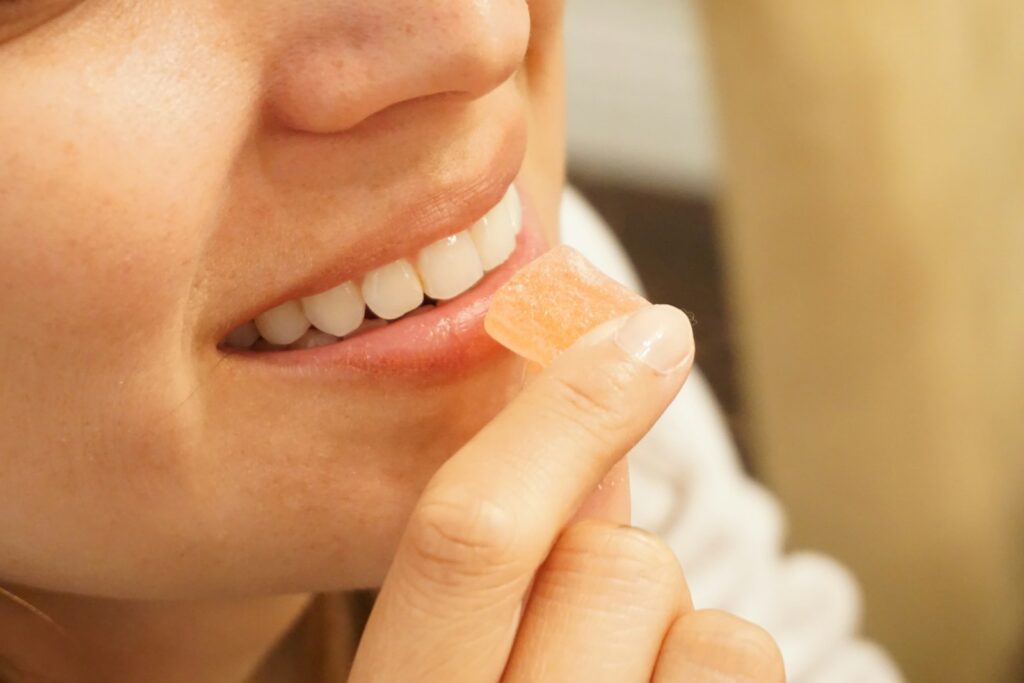
One woman was caught off guard when her roommate’s seemingly innocent comments about her meals turned into a constant source of anxiety. Every time she ventured into the kitchen, all eyes were on her plate. It quickly became clear that what should be a relaxed space for snacking had turned into an unwelcome performance where her food habits seemed to be on display.
The roommate, a 23-year-old food enthusiast, made a habit of inquiring about the other woman’s meals, asking what she had for lunch or what was cooking for dinner. For a picky eater, this routine felt more like an interrogation than friendly conversation. The 24-year-old woman explained that her food preferences stemmed from a blend of contamination anxiety and a strong dislike for mixed textures. But her roommate didn’t seem to recognize the stress these seemingly harmless questions created.

In the past, others had occasionally poked fun at her eating habits. This wasn’t new territory. However, previous experiences typically involved light-hearted teasing that faded over time. This situation felt different. The roommate’s persistent curiosity seemed to be rooted in more than just casual chatter; it looked a lot like judgment. Each time she commented on the plainness of the woman’s meals—a simple lemon and salt on pasta eliciting repeated astonishment—her intention felt increasingly unclear.
Some readers pointed out that it’s common for individuals to comment on what others eat, particularly if they take pride in their cooking. They understood that the roommate might be building a connection through food-related discussions, but others found the consistent questioning odd. “Why do you keep asking?” some wondered, questioning what lay behind her curiosity.
As the back-and-forth continued, the more the anxious eater began to feel she needed to defend her choices. After enjoying a meal from a fast-food chain, the roommate remarked on how she felt nauseous every time she indulged in takeout. This seemed less about sharing experiences and more about establishing a hierarchy of food choices. Was she trying to imply that her healthier meals made her superior? Or was she genuinely expressing concern about her roommate’s eating habits?
People had very different reactions to the situation. Some suggested the roommate’s behavior might stem from her own insecurities about food, projecting her feelings onto others. Others theorized that she simply lacked awareness of how her comments affected her roommate. It was clear that the back-and-forth had taken a toll, with the 24-year-old feeling the need to hide away in her room to avoid the uncomfortable scrutiny of her meals.
As the frequency of comments grew, the environment in the kitchen shifted from one of casual snacking to a pressure-filled arena. Instead of enjoying her food in peace, the woman felt as though she was under a microscope. The kitchen, which should have been a sanctuary, morphed into a place of performance anxiety.
Others chimed in, expressing empathy for the woman’s plight. They suggested that the roommate could benefit from understanding boundaries, recognizing that constant inquiries might be perceived as judgment rather than genuine care. Some even offered advice on how to broach the subject with her roommate, encouraging open dialogue about boundaries and food preferences.
The woman found herself wrestling with the questions: Why was her roommate so invested in her eating habits? Was it merely an interest or an unintentional judgment? And how could she address the situation without making it awkward? She realized that navigating these everyday interactions was complicated, especially when intentions were murky.
In the end, the kitchen remained a space of tension rather than comfort. The situation was a reminder that food can carry heavy emotional weight, and what starts as harmless banter can quickly spiral into something more burdensome. As she pondered how to handle the situation, the woman couldn’t help but wonder if she would ever feel relaxed enough in her own home to snack without fear of judgment.
More from Decluttering Mom: