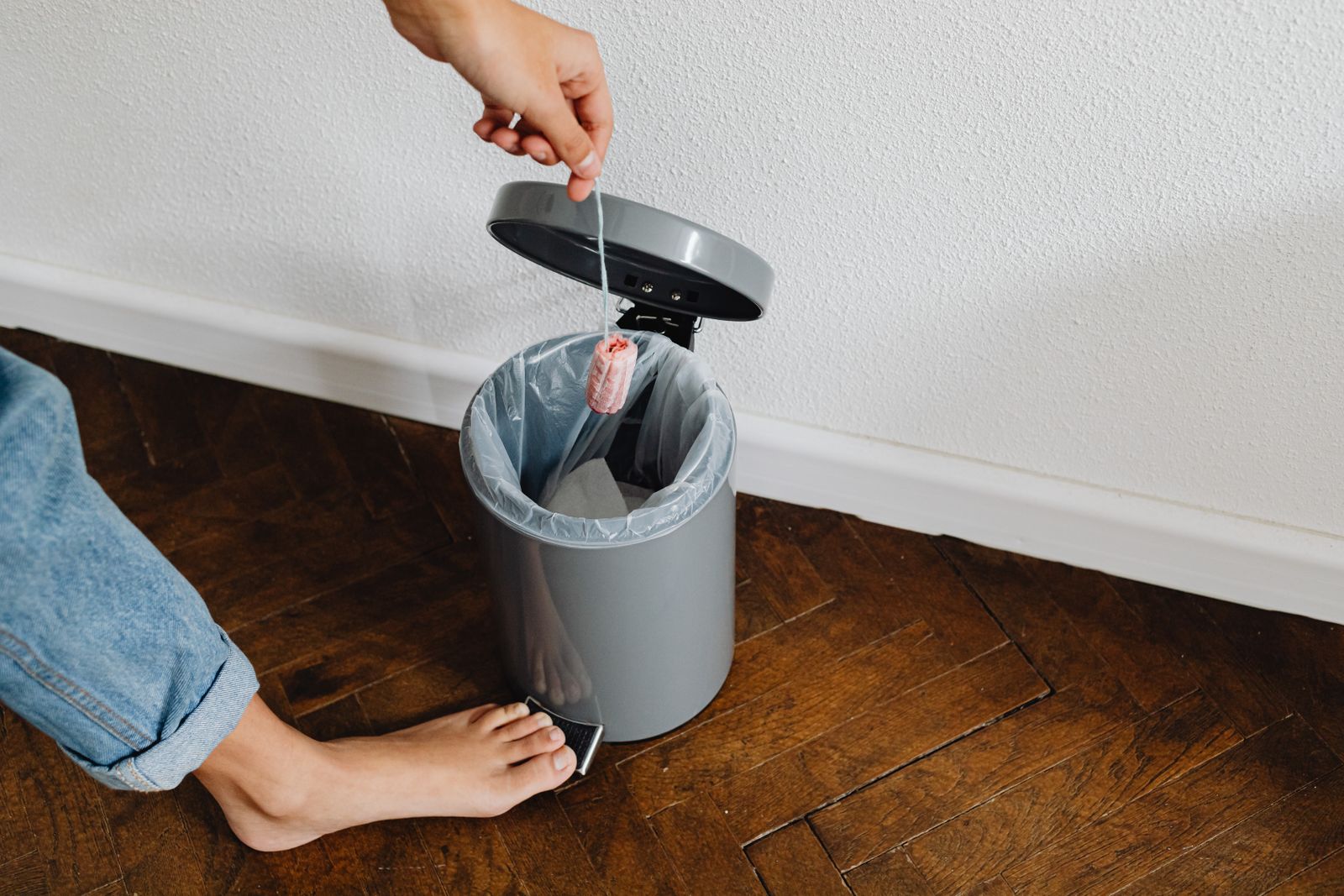
One mom felt her skin prickle as she listened to her roommate complain about the trash can. The demands came fast and furious—no trash should be put in it because it was dirty, yet the very can was moldy. The mom couldn’t figure out how to respond while standing in a space that felt increasingly suffocating, caught in an endless cycle of pointless rants that seemed to take over their home.
This was not just a one-off conversation. The roommate, a self-proclaimed “uBPD mom,” had a pattern that fed off every little annoyance in their shared living situation. The complaints were relentless, often circling around cleaning, costs, and how everything should be done just so. She lovingly monitored the placement of towels, insisting they be hung in a specific way to save money, despite the fact that neither of them had ownership over the apartment. It felt absurd, yet the mom didn’t know how to push back against the flood of demands.

Meanwhile, the roommate had never really held a job or contributed significantly. Instead, she spent her days glued to a tablet, engrossed in games while simultaneously hyper-fixing on her roommate’s actions. It was as if she had taken on the role of the household enforcer for rules that felt more like personal quirks rather than genuine household standards. No wonder it left the other person wondering what mattered. Was it even worth engaging?
Wearing headphones had become a defense mechanism. The mom used them not to spy, as her roommate claimed, but to escape into the world of podcasts, tuning out the chaos simmering just beneath the surface. Yet, even that was a source of contention, as the roommate accused her of avoiding confrontation. It was a strange kind of battle: one person desperately wanting to avoid conflict, while the other thrived on stirring it up.
Many people chimed in, voicing their thoughts on the mom’s situation. Some understood the challenge of living with someone who seemed to thrive on rants. They suggested that it might be best to keep the boundaries firm and stay in her own lane. Others pointed out that engaging might lead to further conflicts. They were looking at it from different angles, with people sharing their own experiences of living in similarly uncomfortable environments.
Some encouraged the use of humor to defuse the tension. They suggested that a lighthearted response could help turn things around. Instead of arguing about towel placement or trash can cleanliness, perhaps a gentle joke could ease the moment and allow for a more relaxed atmosphere. But could mere humor really shift someone’s entrenched beliefs?
Others spoke from experience, advising that disengaging might be the safest route. When faced with pointless rants, ignoring them could be far less exhausting than arguing back. It seemed, in this case, that picking and choosing battles was the way to maintain sanity in what felt like an emotionally charged setting. After all, who wants to deal with a never-ending cycle of complaints?
Yet, the mom faced a dilemma. Living in a space where one person dictated the rules felt stifling. Feeling the weight of being an adult but still subject to the whims of a roommate was enough to make anyone feel trapped. It raised questions about autonomy and how to navigate a relationship that seemed so heavily tilted. If simply wearing headphones and pretending everything was fine made the situation bearable, was that a valid strategy, or just a stop-gap measure?
As the discussion faded, the uncomfortable question lingered: Is it better to engage in such conflicts, risk escalation, and possibly gain some sense of control, or let the rants wash over and keep the peace, even if it meant swallowing frustrations? The answer remained elusive, leaving the mom to wonder about her next steps in a living situation that was far from ideal.
More from Decluttering Mom: