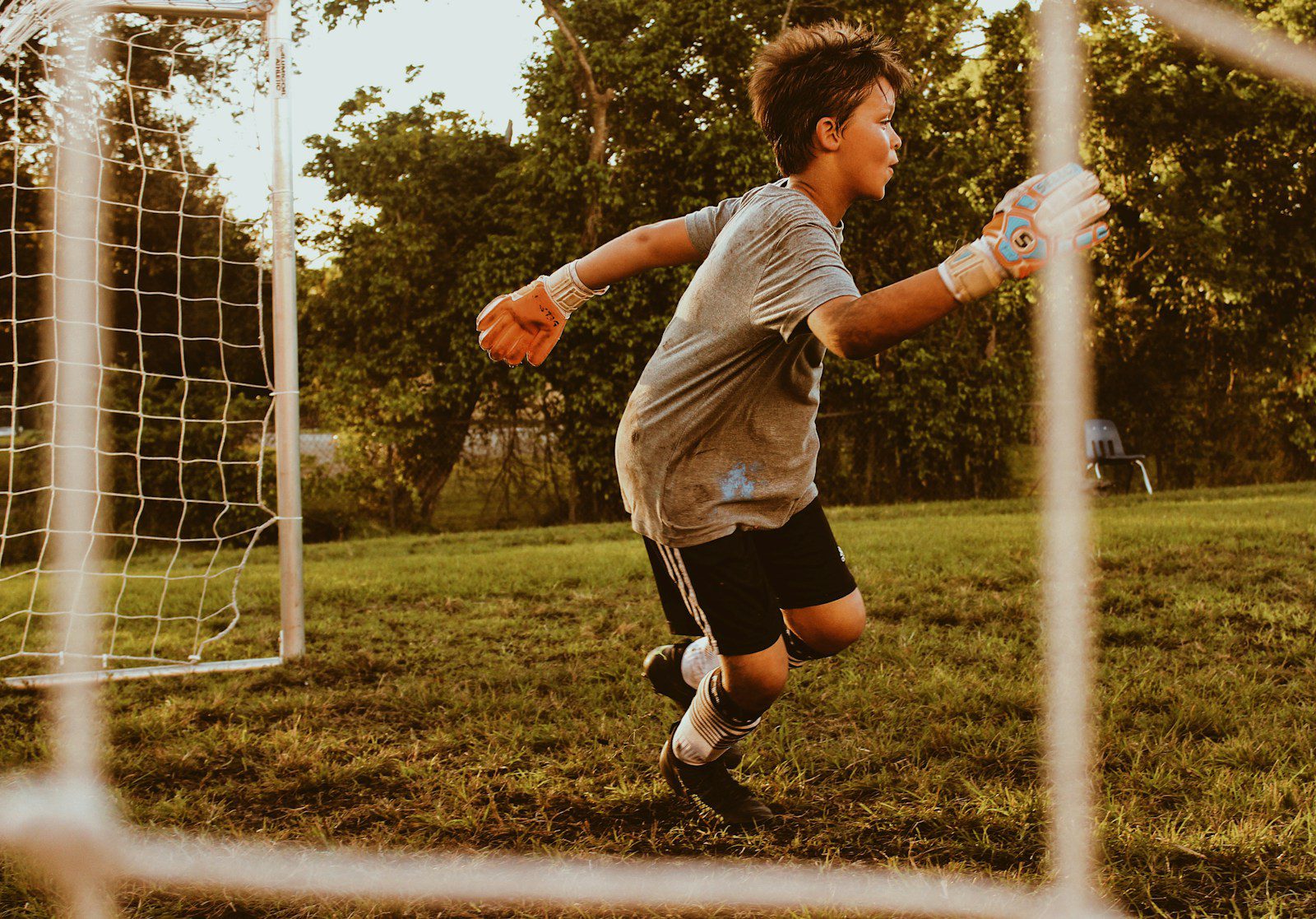
An estimated 283,000 kids show up in U.S. emergency rooms every single year with a sports- or recreation-related brain injury, according to federal data published by the CDC’s Morbidity and Mortality Weekly Report. Nearly half of those visits, about 45%, trace back to contact sports specifically. Football sits at the top of the list of individual causes by a wide margin, but it’s far from the only activity sending kids to the ER: basketball, playground equipment, bicycling, and soccer round out a top five that spans far beyond the football field. As fall sports season gets underway across the country, the numbers offer a clear picture of where the actual risk is concentrated.
283,000 ER Visits a Year, and Nearly Half From Contact Sports
The CDC’s analysis, which covers emergency department data from 2010 through 2016, puts the annual average at roughly 283,000 pediatric ED visits for sports- and recreation-related traumatic brain injuries. Contact sports, meaning activities involving intentional or expected physical contact between participants, account for about 45% of those visits, meaning more than four in ten of these injuries happen in sports built around physical collision as a normal part of play, not as an accident of circumstance.

Football Is the Single Biggest Driver, By a Wide Margin
Among individual activities, football produces the most ED visits for pediatric brain injuries by a clear margin, with roughly 53,657 visits a year, according to the CDC’s data. Basketball follows well behind at around 29,675 visits annually, with playground activities close after at about 27,350. Bicycling and soccer round out the top five, at roughly 25,955 and 23,847 visits a year respectively. The spread shows that while football carries the single highest individual risk, the overall burden of pediatric brain injuries is spread across a genuinely wide range of everyday childhood activities, not concentrated in one sport alone.
The Older the Kid, the Higher the Risk
Risk climbs steadily as kids get older, according to the CDC’s age-group data. Children ages 10 to 14 show rates ranging from about 511 to 623 ED visits per 100,000 across the study years, while teens ages 15 to 17 show the highest rates of any age group, ranging from roughly 623 to 715 per 100,000. Younger children, by contrast, show substantially lower rates: kids ages 0 to 4 range from about 104 to 120 per 100,000, and kids 5 to 9 fall between roughly 258 and 304. The pattern lines up with when kids typically move into more competitive, higher-contact levels of organized sport.

Boys Are Injured at Roughly Twice the Rate of Girls
Sex differences show up clearly throughout the dataset. Boys had rates ranging from about 483 to 559 ED visits per 100,000 across the study period, compared with 217 to 267 per 100,000 for girls, according to the CDC. That works out to boys being injured at roughly twice the rate of girls consistently across the years studied, a gap the report attributes in part to boys’ higher participation in contact sports like football and their generally higher overall rates of sports and recreation participation.
Girls’ Injury Rates Rose Even as Boys’ Rates Fell
The trend lines tell a more nuanced story than the topline sex gap suggests. Between 2010 and 2016, boys’ rates actually peaked in 2012 at about 559 per 100,000 before declining to roughly 483 by 2016, according to the CDC. Girls’ rates moved the opposite direction over the same period, climbing steadily from about 217 per 100,000 in 2010 to 254 by 2016. Boys are still injured at nearly double the rate of girls overall, but the gap has been narrowing as girls’ participation in organized sport, and their injury rates along with it, has continued to climb.
None of this means kids should be pulled from the field, the court, the bike path, or the playground: those numbers reflect millions of hours of normal childhood activity happening safely every week. But as teams take the field this fall, the data is a reminder that the highest-risk stretch of childhood for a brain injury isn’t early childhood at all, it’s the teenage years, right as kids are getting bigger, faster, and more competitive in exactly the sports built around contact.