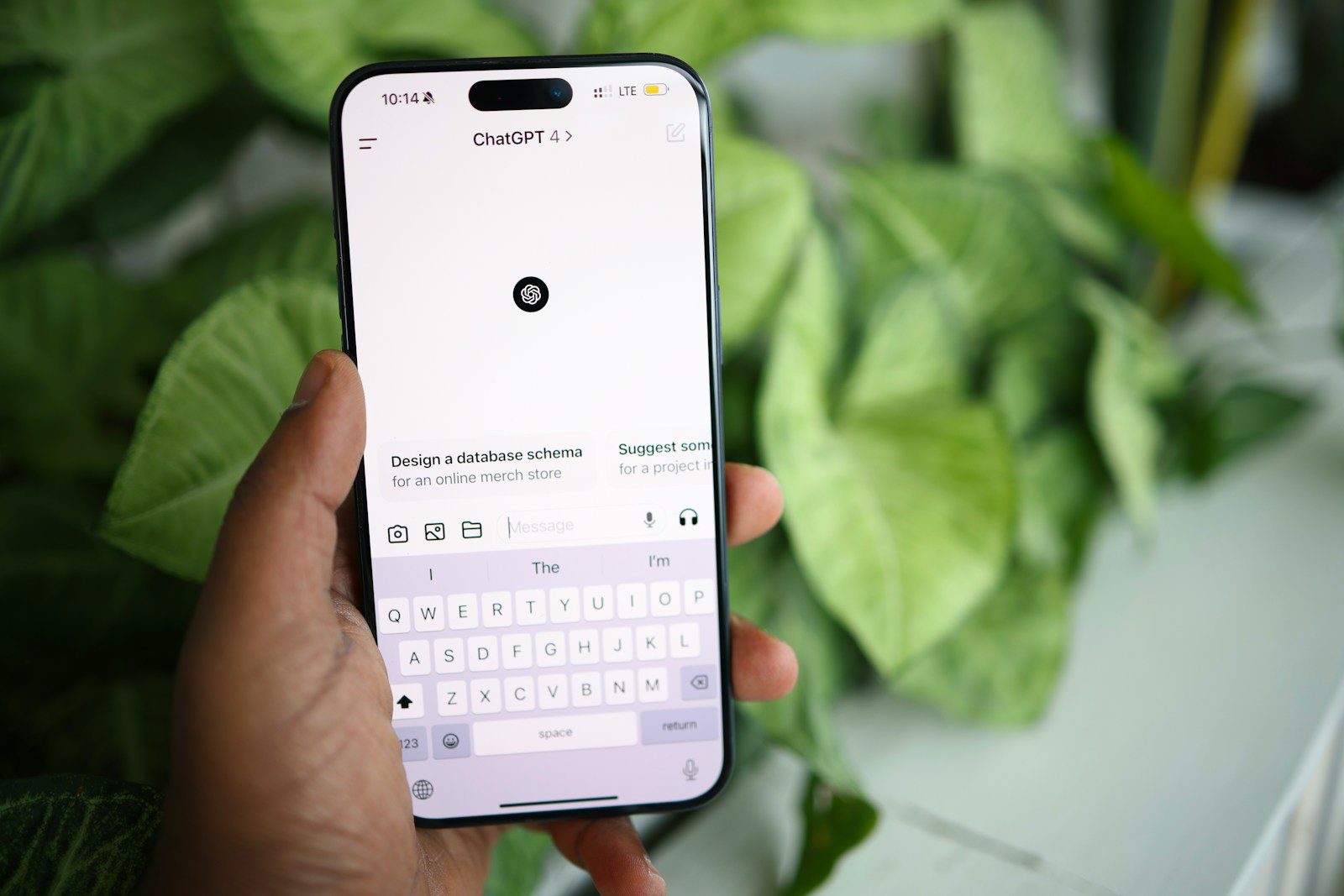
Sixty-four percent of American teenagers now use an AI chatbot, and 30% of them open one every single day, according to Pew Research Center. Yet when researchers turned around and asked the parents of those same teens whether their kid uses a chatbot, only 51% said yes, according to a companion Pew Research Center survey of parents. Roughly three in ten parents said they simply didn’t know. That’s not a small gap. It means close to half of American households have a teenager regularly talking to a chatbot that mom or dad may not even know exists.
Nearly Two-Thirds of Teens Are Already Talking to AI
Chatbot use among 13-to-17-year-olds has moved from novelty to near-majority behavior. Sixty-four percent of teens say they’ve used an AI chatbot, and the habit isn’t casual for a big chunk of them: 30% use one daily, and 16% say they’re on one several times a day or almost constantly, per Pew’s teen survey. ChatGPT dominates the field at 59% adoption among teens, more than double its nearest competitor. Gemini trails at 23%, followed by Meta AI at 20%, with Copilot, Character.ai, and Claude further behind.

The Awareness Gap Between Teens and Their Parents
The disconnect shows up the moment you compare what teens report doing to what parents believe is happening. Just 51% of parents say their teen uses a chatbot, 18% say their teen doesn’t, and about 30% aren’t sure either way, according to Pew’s parent survey. Set against the 64% of teens who actually use one, that’s a 13-point blind spot, and it doesn’t even count the parents who admit outright they have no idea. For a technology teens are folding into homework, casual conversation, and even emotional processing, that’s a lot of households flying blind. Put another way: for every two parents who correctly know their teen uses a chatbot, there’s roughly one who has genuinely no idea, and another who’s simply guessing wrong.
Usage Varies Sharply by Race, Age, and Income
The 64% topline hides real differences underneath it. Black teens (70%) and Hispanic teens (70%) report chatbot use at notably higher rates than white teens (58%), and the daily-use gap is even wider: 35% of Black teens and 33% of Hispanic teens use a chatbot every day, compared with 22% of white teens, per Pew’s data. Older teens lean in more than younger ones, with 68% of 15-to-17-year-olds using chatbots versus 57% of 13-to-14-year-olds. Household income shapes which chatbot, too: teens from higher-income homes gravitate toward ChatGPT, while teens from lower-income households are about twice as likely to use Character.ai.
Few Parents Are Actually Talking to Their Kids About It
Awareness is only half the problem; conversation is the other half, and it’s barely happening. Just over half of parents say they’ve discussed chatbots with their teen at all, according to Pew, which leaves roughly 40% who say the topic has never come up in their house. That’s a striking silence around a tool nearly two out of three teenagers are already using regularly, often without much oversight of what they’re asking it or what it’s telling them back.
Parents Approve of Homework Help, Not Emotional Support
When Pew asked parents to weigh in on specific ways teens might use a chatbot, the comfort level dropped fast as the use case got more personal. About 80% approved of teens using a chatbot to search for information, and roughly 67% were fine with entertainment, image or video editing, and summarizing content. Approval slid to about 60% for schoolwork help and around 50% for getting news. Casual conversation drew approval from under a third of parents. At the very bottom sat emotional support or advice, just 18% of parents said they were comfortable with their teen turning to a chatbot for that, making it, in Pew’s framing, the only use case where a majority of parents are not okay with it. That 18% figure stands in sharp contrast to how teens actually seem to be using these tools day to day, where the line between a homework question and a personal one is rarely as clean as a survey category.
The numbers together sketch a household most parents would recognize but haven’t quite named: a teenager on a laptop or phone, chatting with software that’s answering homework questions one minute and, quite possibly, personal ones the next, while the adult down the hall is still working off a thirteen-point-outdated picture of what their kid is doing online.