

When a principal says her students now say “hello” back, it may sound like a small thing. At McPherson Middle School in Kansas, she says it is one sign of a big change, and it began when phones went into lockers for the whole school day.

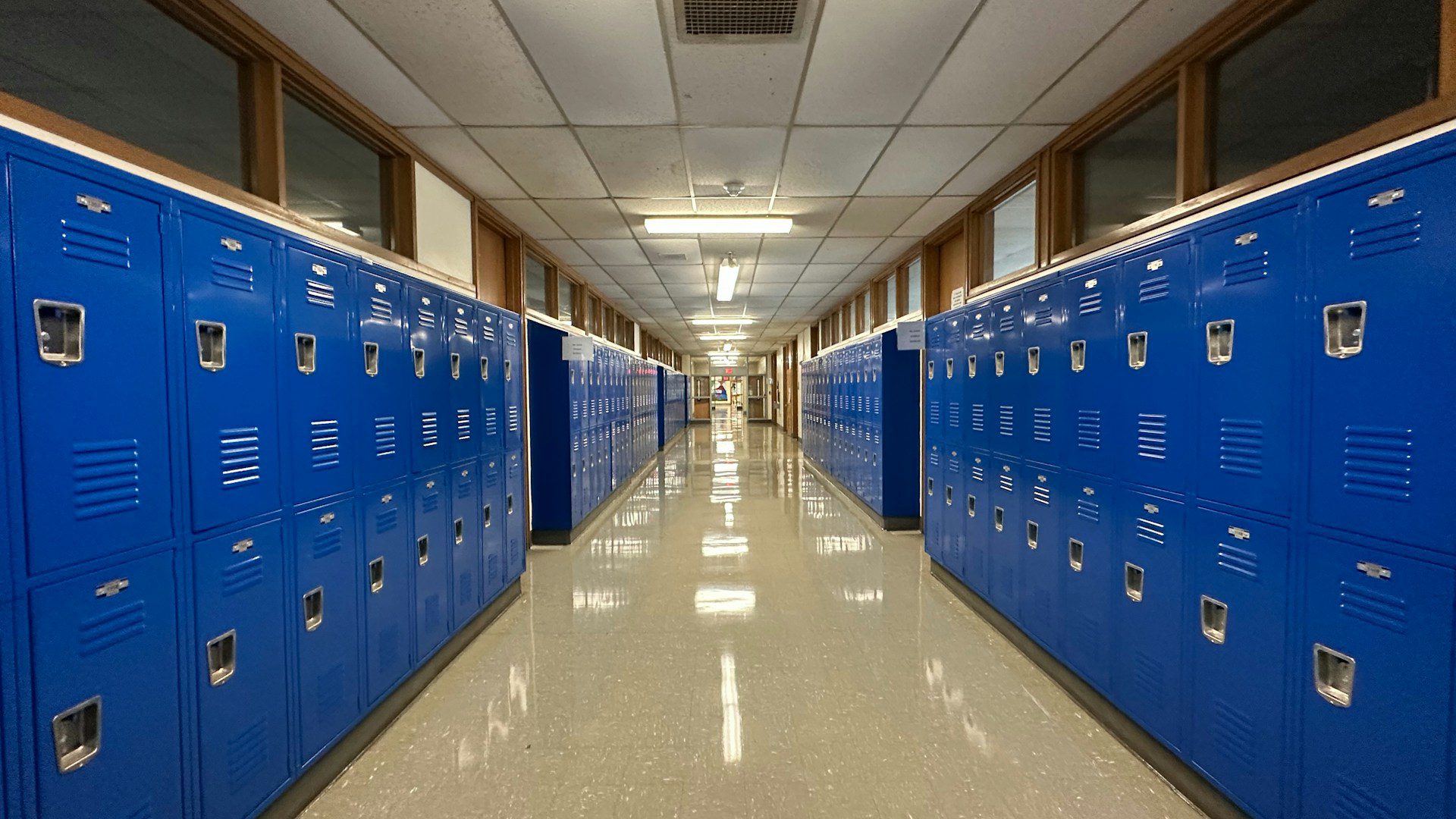
The story was reported by Upworthy on Nov. 6, 2026, in a piece by Annie Reneau. The school requires students to keep cell phones in their lockers from the first bell to the last.
“Pretty Wild” Results After Three Years
Principal Inge Esping, McPherson’s principal and the 2025 Kansas Middle Level Principal of the Year, told EdWeek that results after three years were “pretty wild.”
The numbers she reported are striking. Chronic absenteeism fell from 39% to 11%, and school suspensions dropped by 70%.
Those figures come from the principal’s account of her own school, so they describe one building rather than a nationwide study.
For parents and grandparents who remember a time before smartphones, the idea may sound familiar. The question of what belongs in a classroom is an old one.
Students Are More Likely To Say “Hello” Back
The change Esping noticed first was not in a spreadsheet. She said students are more likely to say “hello” back when she greets them in the hallway.
That fits what other educators describe. Without screens in their hands, students look up, make eye contact and talk to one another.
Chronic absenteeism generally means a student misses a significant share of school days, so a drop from 39% to 11% would mean far more children showing up regularly. Principals who see that kind of change tend to notice it in everything from grades to hallway behavior.
A New Jersey High School Saw Better Focus And Grades
Principal Tony Cattani of Lenape High School in Medford, N.J., described a similar policy. His school stores phones in pouches during class, and he said that has improved focus, grades, conversations and routines.
His staff was strongly behind it. All 225 of his staff members unanimously said they wanted a clear and strict cell phone policy.
Those same staff members are the people who see the effects each day, so their support carries weight with families who are on the fence.
Parents Were Split, With Emergencies The Biggest Worry
Not every parent was sold at first. Esping said her parents were split about 50/50, while Cattani estimated about 80/20 at his school.
The biggest worry was being unable to reach their children during the day, especially in an emergency. Cattani said explaining the crisis plan helped.
He noted that a phone “isn’t going to be the thing that prevents or saves students.” In other words, the school’s plan, not a text message, is what protects children in a crisis.
That openness, and the reassurance of a plan, appear to be what moved some parents from worried to supportive.
Bell-To-Bell Bans Jumped From 60% To 74%
The story also pointed to a national study by Phones in Focus, a nonpartisan research initiative. It described the first national study of school phone policies and the largest teacher survey on the topic, with more than 68,000 responses representing about 17% of U.S. public schools.
The share of surveyed schools with bell-to-bell bans rose from 60% in 2024-25 to 74% in 2025-26. About half of high schools have such bans, compared with 90% of elementary and middle schools.
Teachers reported quieter hallways with more face-to-face socializing, fewer phone-related discipline problems and more classroom engagement. One teacher said the ban “makes the lunchroom louder.”
Psychologist Angela Duckworth, cited by the University of Michigan, said researchers are “seeing meaningful patterns emerge” in the data on phone policies.
Those reports come from teachers, who are on the front lines of the change. Their experience is one more piece of the picture schools are using to decide what to do next.
What Parents Can Ask If Their School Considers A Ban
If your child’s school is thinking about a phone policy, the story offers a few useful questions. Ask what the rule covers, whether phones stay in lockers, pouches or backpacks, and whether the ban applies all day or only in class.
Ask about emergencies. The most common parent worry was reaching a child during the day, so find out how the school will contact families and how students can reach home if needed.
Ask how the school will measure results. Attendance, discipline and grades are the numbers McPherson pointed to, and a good plan tracks them over time.
At home, parents can help by agreeing with the school’s rule rather than working around it. Children tend to follow a rule better when parents and teachers send the same message.
Families can also consider phone-free time at home, such as at dinner or before bed. The hello that Esping noticed is the kind of small moment that can happen anywhere people look up from their screens.
Finally, keep in mind that policies vary, and the numbers in this story come from principals and a survey of schools, not from a guarantee. Still, the trend is clear, and many schools are moving toward limits.
More Stories You May Like
- Seattle Schools Block Minecraft, YouTube And Gemini For Grades 3 To 5 And Cap Screen Time At One Hour A Day Because Parents Worried About AI Dependence
- Mom’s Instagram Post Gets 753K Likes After Her 6 Year Old Brings Home An AI Picture Of Herself At 25 As A Nurse, And The School Principal Ends The Assignment
- Wyoming Mayor Says 7, 8 And 9 Year Old Kids Are Zipping Around At 30 Miles An Hour On E-Bikes As Crashes Hit 22 This Year, More Than Double Last Year