

Parents of elementary students in Seattle are about to see a big change in their children’s school day. Seattle Public Schools is tightening its technology rules for students in grades 3 through 5, with a daily screen time limit and a blocked list that includes Minecraft, YouTube and Gemini.

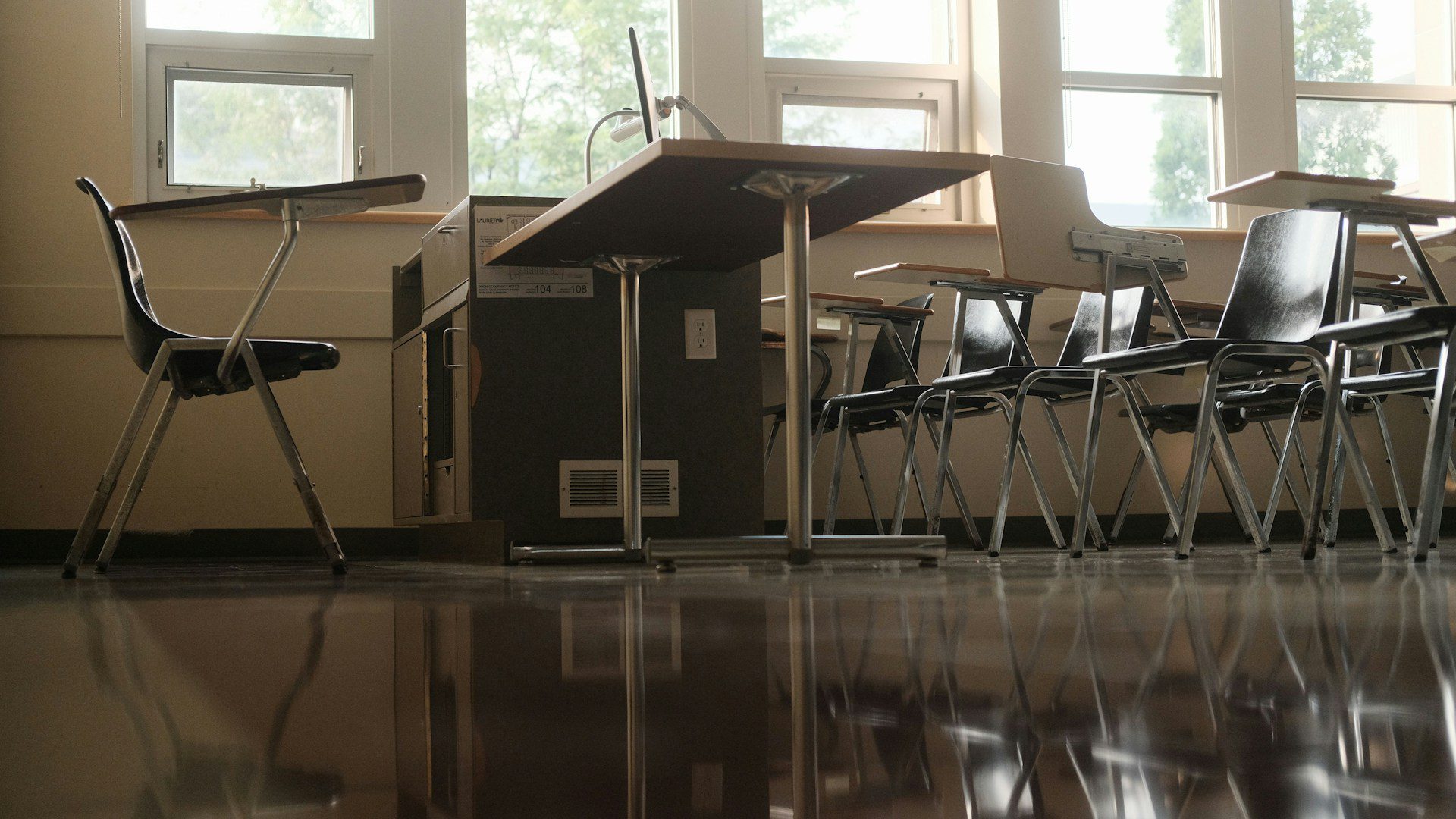
The district says the goal is to cut down on distractions and curb overreliance on generative AI.
Seattle Public Schools posts district news and board materials on its website. Read the original here.
One Hour A Day, Even For A 10 Minute Educational Video
Students in grades 3 to 5 will have a one-hour daily cap on screen time. The cap counts everything, including activities such as watching a short educational video that runs about 10 minutes.
The district is also changing how devices are used in the classroom. iPads and laptops can no longer be handed out as incentives or rewards.
Minecraft, YouTube And Gemini Are Now Blocked
The district is blocking access to three programs: Minecraft, YouTube and Gemini, Google’s AI chatbot. Superintendent Ben Shuldiner said these programs have been “abused.”
The change targets some of the apps kids tend to drift toward the moment they have a screen in front of them. Gaming and videos are fun, but the district says they pull students away from the lesson.
“Steered Too Heavily Into An Overreliance Of Technology”
Shuldiner did not blame the teachers or the students. He said that when he arrived, it was clear the district had “steered too heavily into an overreliance of technology.”
The new rules, he says, are part of a correction. He has also said that more work remains to be done.
Parents Asked The District To Take A Hard Look
The changes did not come out of the blue. Parents had asked the district to review how technology is used in classrooms, saying students were getting distracted or leaning too hard on generative AI.
Parent Ashley Worobec put it plainly. “I send my child to school to learn and for his brain to develop,” she said.
Her worry is one many grandparents share. When a chatbot can write a paragraph or solve a problem in seconds, a child may skip the hard thinking that builds the skill in the first place.
Younger Students Already Saw Changes
This is not the district’s first move. Changes for kindergarten through second grade rolled out about two months earlier, so the grade 3 to 5 rules are the next step.
Phones have already been dealt with. A policy from the end of last school year bans cellphones for K-8 students during the school day. Students in grades 9 to 12 may use their phones only during passing periods and at lunch.
The state is looking at the issue too. The state legislature is working on a statewide cellphone ban for all public schools, with more details expected next year.
What Families Can Do At Home
You do not need a school board vote to set limits in your own house. If a district can cap screen time at an hour, a family can decide what is reasonable at the kitchen table.
Start by taking a quick look at how many hours your child spends on screens each day, including the time spent on homework. Then pick a total you can live with and say it out loud so everybody hears the same number.
Make screens a tool, not a prize. The Seattle district stopped using iPads and laptops as rewards, and parents can do the same. When a tablet is the treat for finishing chores, children learn to want the tablet more than the work.
Talk about AI, too. If your child uses a chatbot for homework, ask them to explain the answer back to you in their own words. If they cannot, the machine did the thinking, and that is a good moment for a gentle chat.
Keep devices out of bedrooms at night and set a charging spot in the kitchen. Fill the freed-up hours with the old standbys of board games, bike rides, library cards, cooking together and plain old boredom, which is where imagination tends to start.
Finally, ask your own school what rules it has in place. Many parents are surprised by how much screen time happens during the school day, and the answer can help you balance what happens at home.
Seattle’s new rules show a district trying to find the balance between modern tools and old-fashioned learning. Whether you agree with every block or not, the conversation is one worth having around your own table.
Why This Matters Beyond Seattle
Schools all over the country are wrestling with the same questions. Tablets and laptops arrived in classrooms with big promises, and now many districts are asking whether the screens are helping children learn or just keeping them busy.
For parents and grandparents, the Seattle story is a chance to ask your own district a few simple questions. How many hours a day do students spend on a device, which apps are allowed, and who decides?
The answers may surprise you, and they can help you decide how much screen time to allow once your child gets home. A school day with limits and an evening with limits can add up to a calmer, more focused kid.
More Stories You May Like
- Student Hands A McDonald’s Cashier $35 For A Roughly $8 Order And Asks If It’s Enough, Then The Worker Asks What Schools Are Teaching Now
- Wyoming Mayor Says 7, 8 And 9 Year Old Kids Are Zipping Around At 30 Miles An Hour On E-Bikes As Crashes Hit 22 This Year, More Than Double Last Year
- 5 Hand-Me-Down Household Items You Should Think Twice About Donating Without Checking Their Age, Condition, Or Possible Recall Status