In most restaurants, a complaint has a simple fix. You remake the dish or you take it off the check. But every server eventually meets a guest who cannot be satisfied no matter what is offered. @kellybrooke.m, a longtime restaurant worker, shared a collection of such encounters, and one of them centers on a steak.
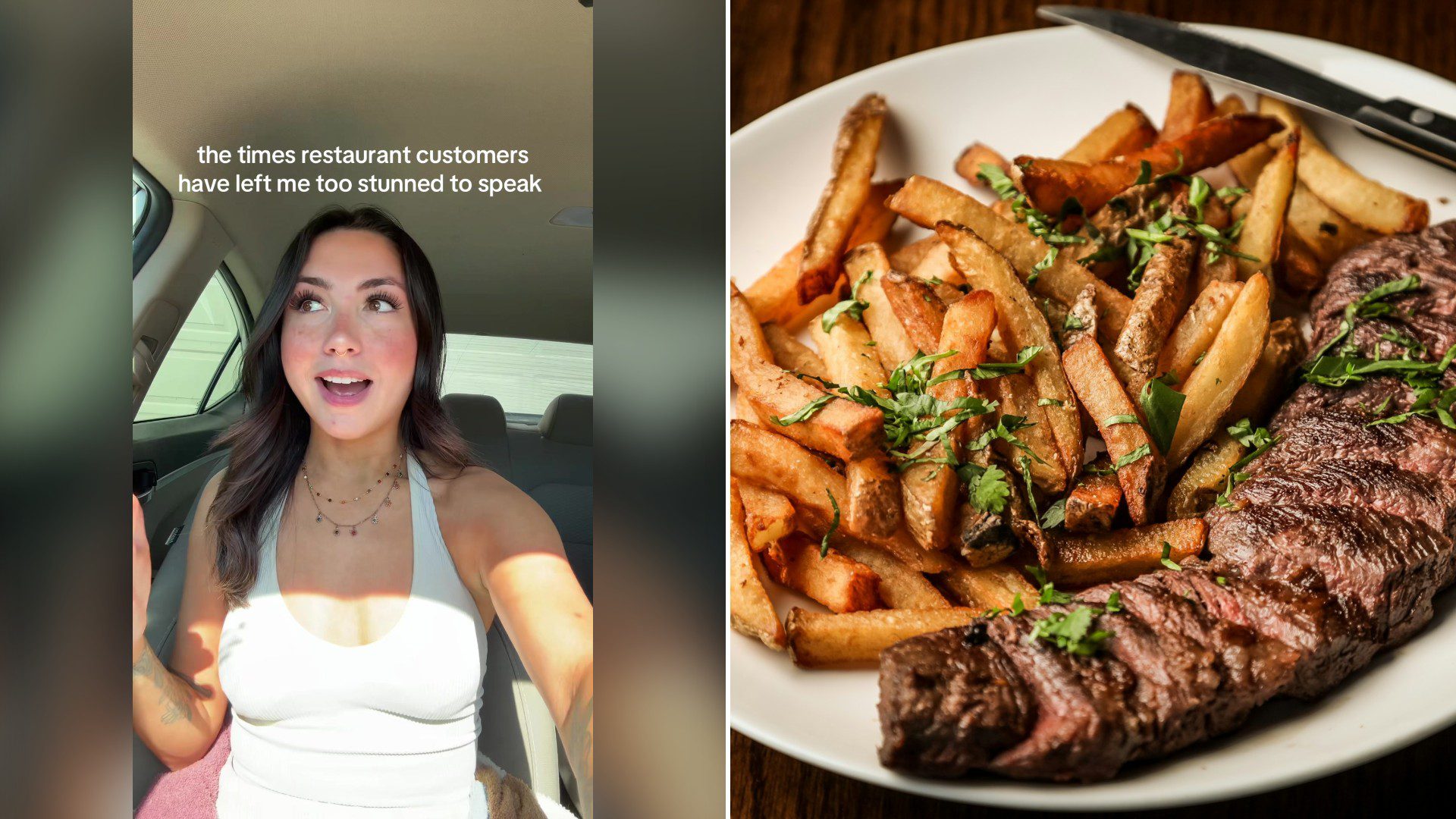
She opened by saying she has rarely been left speechless by a customer, because asking the right questions usually leaves little room for a mix up. This story is the exception. Here is how it unfolded, along with some general tips on ordering steak and handling complaints politely.
@kellybrooke.m
A Careful Order at the Second Restaurant
The creator was working as a server at the second restaurant of her career, before she moved behind the bar. The menu included a steak, and as in nearly any restaurant, servers ask how the guest would like it cooked. One man at her table ordered his steak blue rare.
She said she always double checks this kind of order, because some guests like to play games later. So she confirmed it with him, explaining that blue rare means a cool blue center and asking whether that worked for him. His answer was that he knew exactly what blue rare was and, in her words, considered himself the expert at the table.
The Complaint Two Minutes Later
The food came out, and about two minutes later she circled back to ask how everything tasted. The man crooked his finger to call her over, pointed at the steak and demanded to know what it was. She looked at it and saw a blue rare steak cooked perfectly. He told her it was cold and raw in the center. She gently pointed out that this is exactly what cool and blue means.
She offered to send it back so the kitchen could cook it to a different temperature, which she said would be quick. He refused, saying it was already ruined. She even offered to bring him an entirely different entree on the house, something she did not have to do, since he had been given every chance to understand what he was ordering.
Every Offer Declined
He denied everything and told her to just leave it. He said he would eat the sides instead. So she left him alone. When she returned, the entire steak was gone. Every bite had been eaten.
Then she dropped the check, and the man was outraged to see the steak listed. He said it was not what he ordered and asked why it was on his bill. She reminded him that he had in fact eaten the entire steak, that she had offered to fix it in multiple ways and that he had declined every one. She said she did not know what else to tell him. He paid, left no tip and walked out.
Front of House as a Lesson in Psychology
She shared the story alongside other tales of guests she could never please, and her takeaway was that working in front of the house is a lot like studying psychology. Things often do not make sense, and sometimes they simply do not add up. Her caption summed it up: you cannot please everyone.
Understanding Steak Doneness
Steak doneness runs from blue rare, which is barely cooked and cool in the center, through rare, medium rare, medium, medium well and well done. Chefs generally judge it by internal temperature, and blue rare sits at the very lowest end, well below a typical rare steak. A center that looks deep red and feels cool is the expected result, not a mistake in the kitchen.
Because the texture surprises many first time guests, servers often confirm the order, and many menus carry a consumer advisory about undercooked meat. Asking a few questions up front is part of good service, and it protects the guest from an unpleasant surprise later.
Tips for Ordering Steak and Handling Problems
The story raises some useful general points for diners. Each kitchen cooks a little differently, so treat these as broad suggestions.
- Know what the terms mean before you order. Blue rare and rare are the least cooked options, and the center is expected to be cool or barely warm.
- If you are unsure, ask your server to explain the doneness levels, or choose a temperature you have enjoyed before.
- Cut into the steak and taste it right away if something seems off. Speak up before you finish the dish, not afterward.
- Be clear about what you want. If a remake or a different dish is offered, say yes or no honestly.
- Remember that most restaurants will charge for food that has been eaten. Check the restaurant’s policy if you are unsure.
- Raise concerns with kindness. Servers usually want to help, and a calm tone leads to faster solutions.
- Tip on the service you received, even when you are disappointed by the food. The server does not control the kitchen.
The Takeaway
This server did what she could. She confirmed the order, explained the temperature, offered a remake and offered a replacement entree. The guest turned down every option, finished the steak and then objected to paying for it. Not every problem has a solution that satisfies everyone, but clear communication and honesty on both sides make restaurant visits far smoother. When in doubt, say what you need while the server can still help.