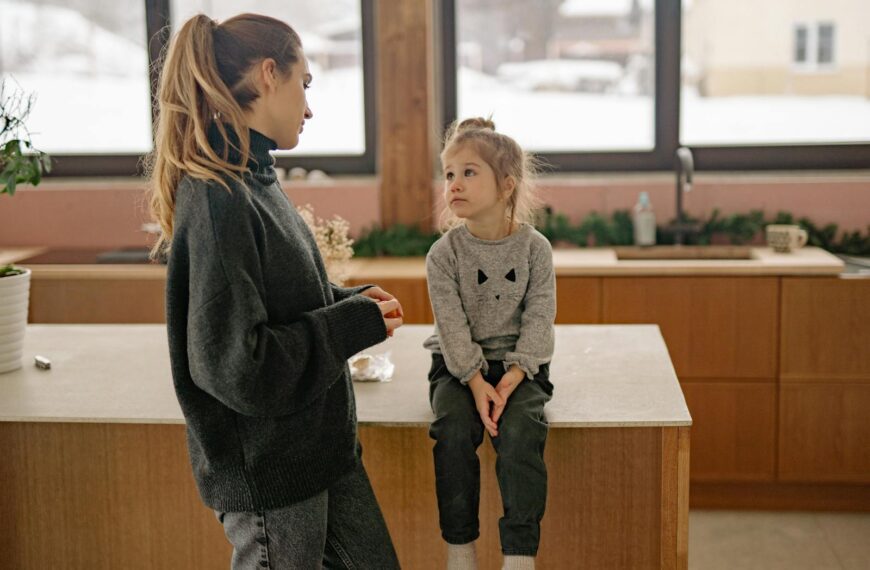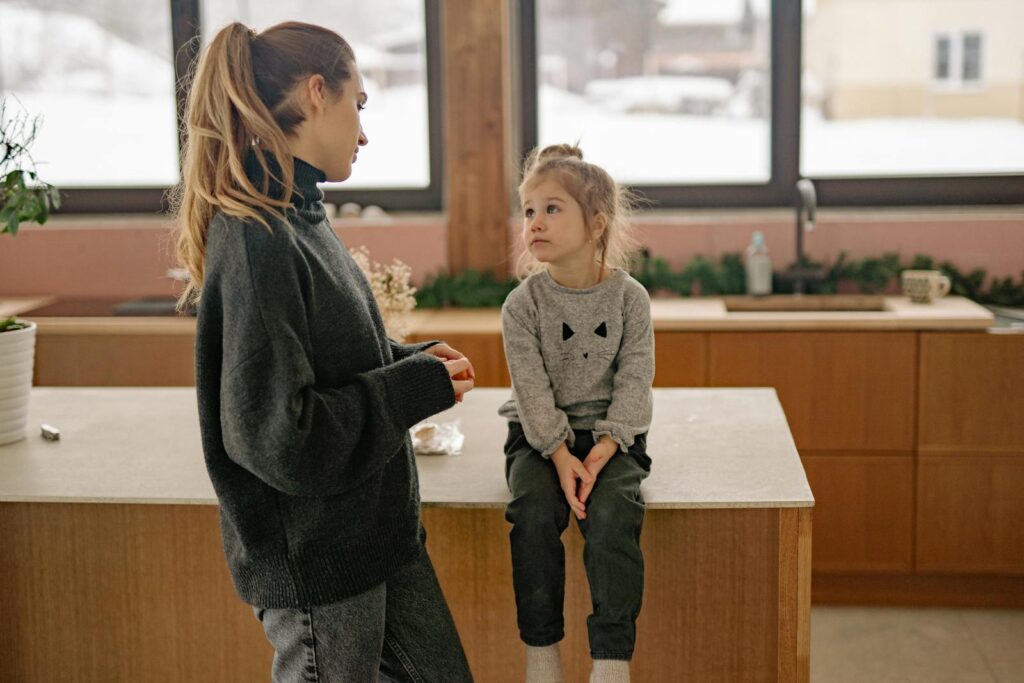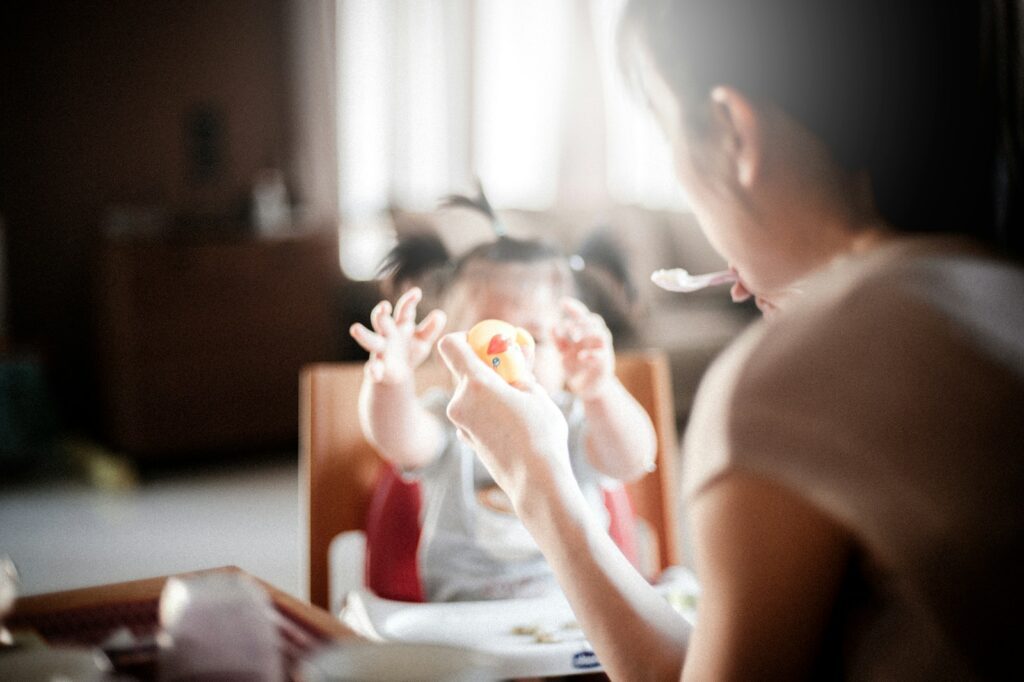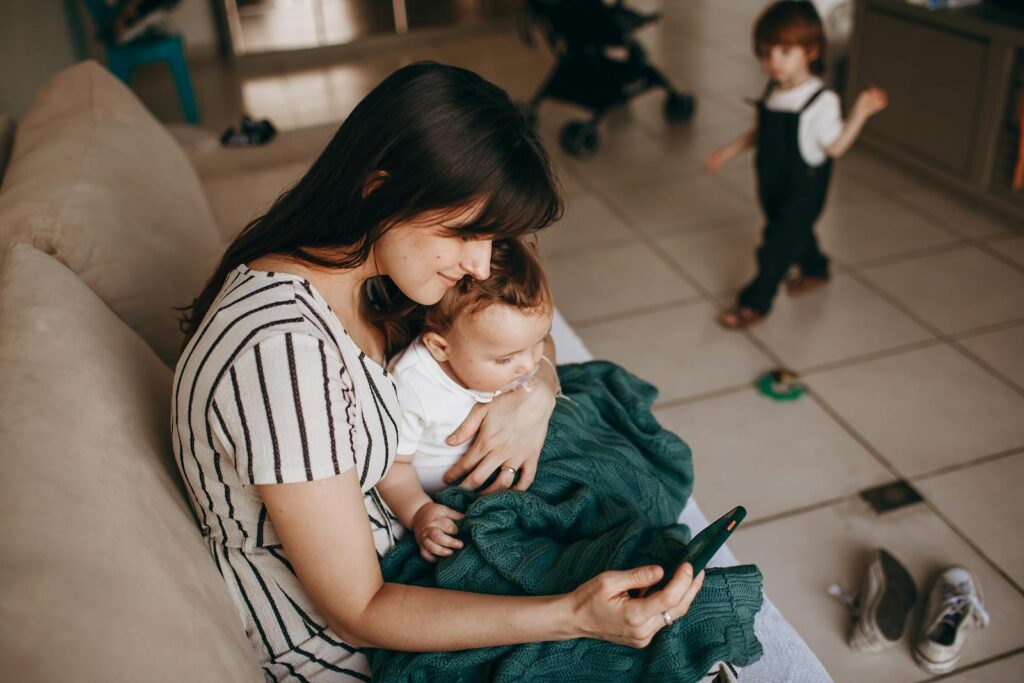
When Kayla, a mother of two girls in the American South, announced her third pregnancy in early 2025, the first question from her father-in-law’s partner was not “How are you feeling?” It was “Third time lucky?” — as though her existing daughters were failed drafts and the new baby’s only value hinged on being a boy. Her experience, shared in a Reddit thread that drew hundreds of responses, is far from unusual. It reflects a son preference that, even in 2026, remains surprisingly measurable.
Gallup has tracked Americans’ preferences on the sex of an only child since 1941. In its most recent polling on the question, 36 percent of respondents said they would prefer a boy if they could have only one child, compared with 28 percent who preferred a girl. The gap has narrowed over decades, but it has never closed. That lingering tilt helps explain why parents expecting a third daughter so often find themselves fielding condolences instead of congratulations.
The script no one asked for

Parents of multiple daughters describe hearing the same lines on rotation: “Your poor husband,” “Going to try again for a boy?” and the perennial “Third time lucky.” In the Reddit thread where Kayla shared her story, commenters pointed out that people who deliver these lines usually believe they are being playful. The effect, though, is to cast each daughter as a missed shot and the incoming baby as yet another disappointment rather than a person in her own right.
The pattern is not limited to families with girls. Parents of three or four sons report a mirror-image version: relatives who joke that they must “keep going” until a girl arrives. In both cases, the child who actually exists is treated as secondary to some imagined ideal. As one commenter in the thread put it, “You don’t need to educate every insensitive stranger” — sometimes the healthiest response is a flat “Ouch” or a simple “I’m going to walk away now.”
Why “just a joke” is never just a joke
Behind the quips is a hierarchy of value that many mothers of girls recognize instantly. A separate Reddit discussion titled “Tired of the weird pro-boy and anti-girl baby comments” cataloged examples: “Better watch out when they’re teenagers,” “Dads have to guard their daughters,” and the implication that boys are simply easier. One commenter called out “so much subtle and unsubtle misogyny” in the way people talk about a baby’s sex, arguing that these remarks sexualize girls early while excusing boys as naturally wild or less in need of supervision.
Research supports the idea that such attitudes have real consequences. A 2000 study published in Demography by sociologists Douglas Almond and Lena Edlund found that couples in the United States were significantly more likely to continue having children after a girl than after a boy, a behavioral pattern consistent with son preference even in a society that considers itself egalitarian. More recent work on implicit gender bias, including studies using the Implicit Association Test, suggests that while explicit son preference has softened, unconscious associations linking boys with strength and value persist across demographics.
When strangers police a pregnancy
Gendered assumptions do not stay confined to family dinners. Pregnant people report being quizzed about their bump, their diet, and their baby’s sex by complete strangers in grocery lines and waiting rooms. Parenting guides on handling rude pregnancy comments describe scenarios where bystanders feel entitled to ask “Should you really be eating that?” or to announce that the expectant parent looks “huge” or “tiny.” When the topic turns to sex, the intrusion sharpens: “Is Dad hoping for a boy this time?” carries an unspoken judgment that the family is incomplete.
Experts recommend preparing a few stock phrases in advance. Short, firm responses that do not invite debate tend to work best: “We’re thrilled with our girls,” “We’re just grateful for a healthy baby,” or a pivot that sidesteps the premise entirely: “We’re excited to meet our baby — that’s all that matters.” The goal, according to guidance from the Happiest Baby editorial team, is to emphasize joy about the child rather than engage with the idea that one outcome would have been better than another.
Gender disappointment is real, and it is not the same as sexism
While many parents bristle at outsiders’ assumptions, some also carry private grief when the baby they are expecting is not the sex they had pictured. Licensed therapists describe gender disappointment as a genuine emotional response, one that can feel like mourning an imagined future rather than rejecting the baby who is on the way. Dr. Alexandra Sacks, a reproductive psychiatrist and co-author of What No One Tells You: A Guide to Your Emotions from Pregnancy to Motherhood, has written that the gap between a parent’s fantasy of who their child will be and the reality of who that child is can trigger real grief, and that acknowledging the feeling is the first step toward resolving it.
Other clinicians echo that message. A widely viewed video on baby gender disappointment reassures parents that if they are not feeling excited or connected yet, that is normal and that bonding can be built over time. The key distinction professionals draw is between a private, complex emotion that usually softens as the parent-child relationship develops and the public narrative that frames some children as inherently more desirable than others. The first deserves compassion. The second deserves pushback.
Reclaiming the story
For the parent expecting her third daughter, the most powerful move may be refusing the script altogether. In a recent Reddit thread on third-girl gender disappointment, one commenter urged the original poster to ignore people with “crap opinions” about all-girl families and shared a memory of a father who once wanted a son but later said, with unmistakable pride, “I have my girls.” Another described taking her daughters to a Metallica concert, a quiet rebuttal to the assumption that certain experiences require a boy.
Parents are also building shared playbooks for the moments when comments land. Some keep it warm: “We didn’t order a boy; we ordered a baby.” Others set firmer boundaries. In a thread about handling relatives who express disappointment about a baby’s sex, commenters advised limiting contact with people who cannot respond with basic respect and sharing pregnancy news only with those who have earned the privilege of hearing it.
None of this means parents must perform constant gratitude or suppress complicated feelings. It means that the story of a family belongs to the people in it, not to a stranger in a checkout line or an uncle who thinks he is being funny. The next time someone insists a father must be devastated that his third child is not a boy, the most honest answer may also be the simplest: he is not devastated at all. He is delighted to be a dad again, to this baby, exactly as she is.
More from Decluttering Mom: