Your yard is supposed to be a little slice of paradise, right? A place where you can kick back with a cup of coffee, watch the kids play, or enjoy a good book under a shady tree. But what happens when that peaceful haven starts throwing up some red flags? Sometimes, the signs are so subtle you might not even notice until it’s too late. Let’s explore some silent signs your yard might be trying to tell you something’s not quite right.
1. The Grass Isn’t Always Greener
You know that feeling when you step outside and your grass looks like it’s auditioning for a role in a sad movie? If your once lush lawn has turned into a patchy, brown mess, it could be a cry for help. Sure, we all have those days when we forget to water, but if it’s happening consistently, it may be time to investigate. Brown patches can indicate a variety of issues, from pest infestations to more serious soil problems. And no, just throwing some fertilizer on it isn’t always the answer!
2. Uninvited Guests
Speaking of pests, if your yard has become the local hangout for all manner of creepy crawlies, it might be a sign of deeper issues. Ants marching in formation? They might be scouting for a new home. If you’re seeing more bugs than birds, there could be an imbalance in your ecosystem. Remember, not all bugs are bad, but an overpopulation of certain critters can mean your plants are stressed, or worse, unhealthy.
3. The Color’s Off
When you look around your yard, do you see vibrant greens, or are things looking a bit too… beige? If your plants are starting to lose their color or have weird spots, it might be time to dig a little deeper. Yellowing leaves can be a sign of nutrient deficiencies, while sudden wilting could indicate root rot. Trust me, plants don’t just decide to change their wardrobe for fun!
4. The Sound of Silence
Have you noticed fewer birds singing or butterflies fluttering about? In a healthy yard, nature tends to thrive. If your garden feels eerily quiet, it could mean your plants are struggling or that pesticide use is keeping beneficial insects at bay. A vibrant yard should be buzzing with life, so if it feels like a ghost town out there, something’s off.
5. Weird Smells
Now, let’s talk about smells. If your yard starts to smell like a funky combination of wet socks and something rotting, you might want to investigate further. That could indicate decaying plant matter or even root rot. It’s like your yard’s way of saying, “Help! I’m drowning!” And trust me, you’d rather address that issue before it becomes a full-blown disaster.
6. The Soil Isn’t Right
Have you ever played in the dirt and thought, “Wow, this soil feels weird”? If the soil seems too compacted, sandy, or just uninviting, your plants might be struggling to take root. Healthy soil should be rich and crumbly, not like a brick. It’s worth checking the pH levels and seeing if they’re in the right range for what you’re trying to grow. Sometimes, a little amendment can make a world of difference!
7. The Wrong Plants in the Wrong Places
Planting a cactus in the shade might seem like a fun idea at first, but it’s not going to end well. If you’re noticing certain plants looking more miserable than usual, it might be because they’re simply in the wrong spot. Sun-loving plants need their sunshine fix, while shade-loving ones can’t thrive in direct sunlight. Take a moment to reassess what you’ve got growing in your yard — a little rearranging might just bring back the balance!
8. Overwatering Woes
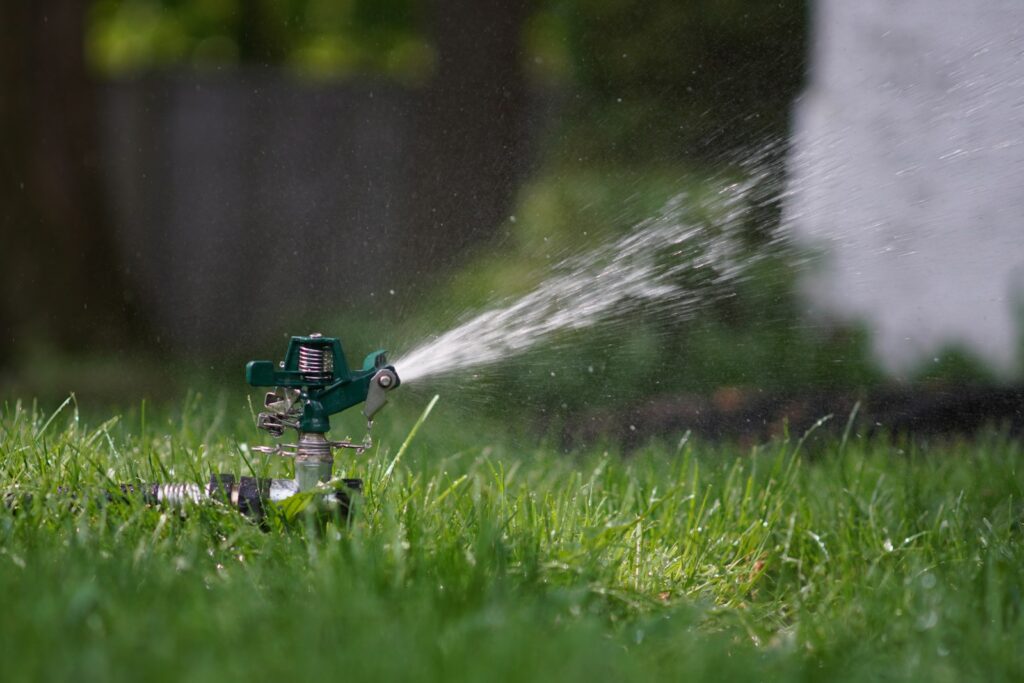
We all love a good watering session, but too much of a good thing can lead to problems. If your yard feels like a swamp, and you’re noticing mushrooms popping up like they’re auditioning for a role in a horror movie, it could be a sign of overwatering. Plants need to breathe, and when they’re submerged, they can start to rot. So, if you’re on a watering schedule, it might be time to switch things up!
9. Your Neighbors Are Noticing
Here’s a little secret: if your neighbors start asking if you’re planning a renovation or “doing something new,” it’s usually because they’ve already noticed the change. Small upgrades, subtle improvements, or even a shift in how you maintain your space tend to stand out more than you think—long before you ever point them out yourself.