They notice simple fixes when a fridge feels empty or cluttered, and one surprising trick keeps popping up: stuffing space with pool noodles or empty containers to help stabilize temperature and organize shelves. Used thoughtfully, foam noodles and spare containers can reduce wasted cold air, make the fridge more efficient, and free up room for the food that matters.
This piece explains why some homeowners tuck pool noodles and boxes into refrigerators, how that affects temperature and energy use, and which storage and cutting techniques actually work without blocking vents. Expect practical steps, safety notes about materials, and quick ideas for repurposing noodles around the home so the next time they face a half-empty fridge, they’ll know what to try.
Why Some Homeowners Put Pool Noodles and Containers Inside Their Refrigerators
Many homeowners use inexpensive foam noodles and empty containers to fill gaps, stabilize items, and reduce cold-air loss when the fridge or freezer door opens. The practice relies on simple physics and common materials to keep temperatures steadier and make shelves more efficient.
How Pool Noodles Optimize Freezer and Fridge Efficiency
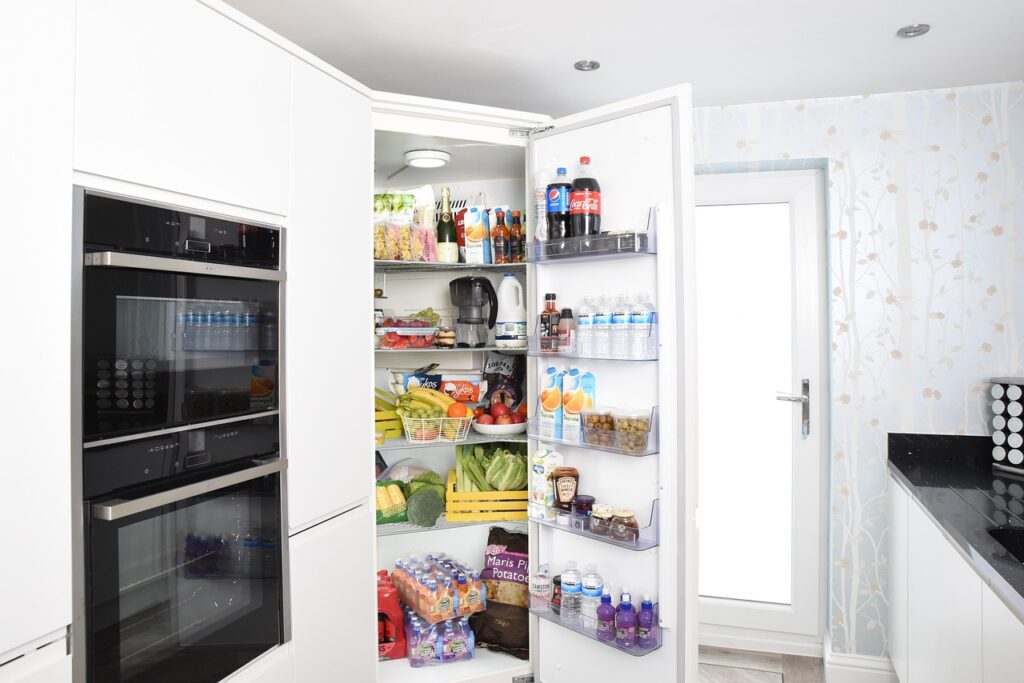
They cut or wedge polyethylene foam pool noodles into vertical or horizontal gaps to block the flow of cold air toward the open door. This reduces the volume of warm air that rushes in when someone opens the door, so the compressor runs less frequently to restore set temperature.
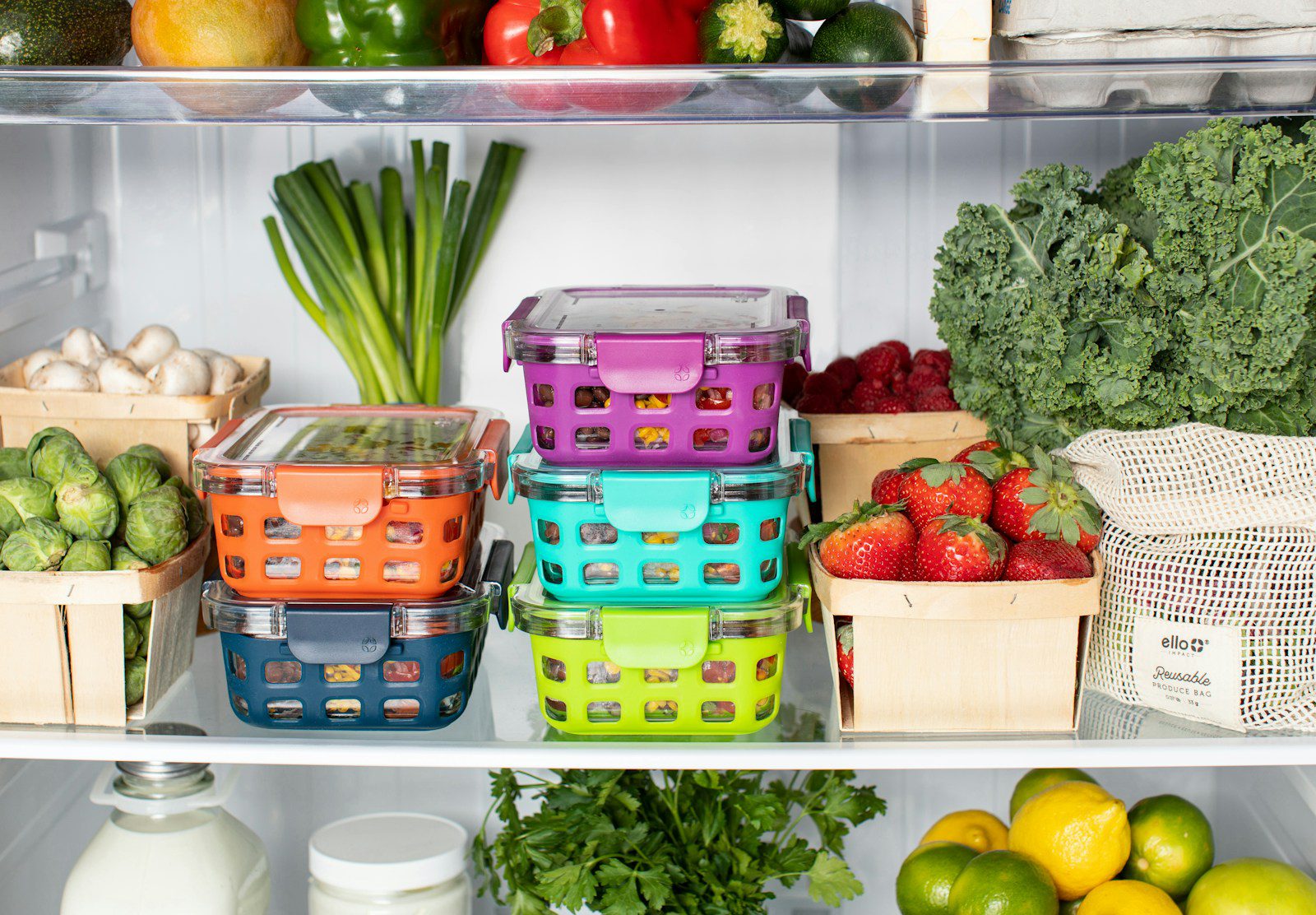
A typical foam noodle is lightweight, flexible, and compressible, so it conforms to irregular spaces between containers or around tall bottles. Users often pair noodles with empty food containers to reach a recommended 75–80% occupied volume, which helps the appliance maintain a more stable thermal mass.
Pool noodles resist moisture and don’t absorb odors, making them practical in damp freezer conditions. They’re inexpensive and easy to cut to size, offering a low-cost way to improve thermal efficiency without modifying the appliance.
Benefits for Food Preservation and Energy Bills
Filling empty space helps maintain a consistent cold temperature, which slows enzymatic and microbial activity in perishable foods. Less temperature fluctuation reduces freezer burn on stored meats and keeps prepared meals at safer temperatures for longer.
Because the compressor cycles less often, homeowners may see lower electricity use over time, especially in older or partially empty units. The energy benefit depends on usage patterns and local electricity rates, so savings vary.
Using foam noodles with airtight containers further limits moisture migration and odor transfer, improving food quality. Combining thermal mass (full containers) and airflow blockers (noodles) gives the most reliable preservation benefit.
Recommended Types of Containers for Filling Empty Space
Choose rigid, stackable containers made of food-safe plastic or glass with tight-fitting lids to add thermal mass and reduce air pockets. Clear containers help with inventory so people avoid prolonged door openings while searching for items.
Lightweight, disposable containers (like thin plastic or cardboard) work for short-term use but offer poor insulation and can deform in the freezer. For longer-term efficiency, use BPA-free plastic or tempered glass that tolerates freezing temperatures and resists cracking.
Combine containers with pool noodle sections: place containers to form stable rows, then insert noodle strips to wedge gaps and prevent shifting. This pairing leverages the insulating mass of filled containers and the gap-sealing properties of foam noodles for better overall performance.
Smart Storage, Cutting, and Repurposing Pool Noodles
Pool noodles are lightweight, easy to cut, and surprisingly useful. With a few simple tools and a little planning, homeowners can store them neatly, trim them to fit into tight spaces like a fridge, and reuse them for boots, drawers, and more.
Best Ways to Store and Organize Pool Noodles at Home
They stack vertically in a tall bucket or concrete form tube to keep them contained and off the floor. This method prevents bending and lets one grab a single noodle without disturbing the rest. Garden.eco shows a few dedicated storage ideas homeowners use for neat vertical containment.
For horizontal storage, mount a pair of wall brackets or a length of PVC with end caps in the garage. Lay noodles on the supports in layers; label each noodle by use if multiple colors serve different tasks. Use bungee cords or simple zip ties to keep stacked noodles from rolling.
Small-space options include hanging them on heavy-duty hooks or slipping cut sections into a long shoe box for easy access. Heavier-duty foam pipe insulation can be stored the same way if someone prefers thicker pieces for protection projects.
Cutting and Sizing Pool Noodles for Refrigerator Use
Measure the fridge shelf depth and interior clearance first. Mark the noodle where it will sit—against a door shelf, between containers, or under a deli drawer—and subtract about 1/8 inch for a snug but removable fit.
Use a serrated kitchen knife for straight cuts or a utility knife for lengthwise slits. Clamp the noodle on a cutting surface to keep it steady. For lengthwise splits that clip onto edges or door rails, make a shallow guide cut, then finish with steady, shallow passes to avoid tearing the foam.
If the noodle will contact food containers, use new, clean noodles and wipe them with a mild soap solution. For slim fridge gaps, cut the noodle in half lengthwise to halve its bulk while retaining cushioning and insulation.
Extending Pool Noodle Life and Other Everyday Hacks
To prolong foam life, keep noodles out of direct sunlight when not in use; UV degrades the foam over months. Clean them with mild soap and water; avoid harsh solvents that can dissolve the foam.
Repurpose cut noodle halves as boot shapers by inserting a half-cylinder into the shaft to keep tall boots upright. This boot storage hack prevents creases and saves closet space.
Other practical uses include wedging short sections behind a drawer organizer to stop shifting, padding ladder rungs, or covering sharp edges on furniture. For more creative and safety-focused ideas, Family Handyman compiles a wide range of handy noodle projects.
More from Decluttering Mom: