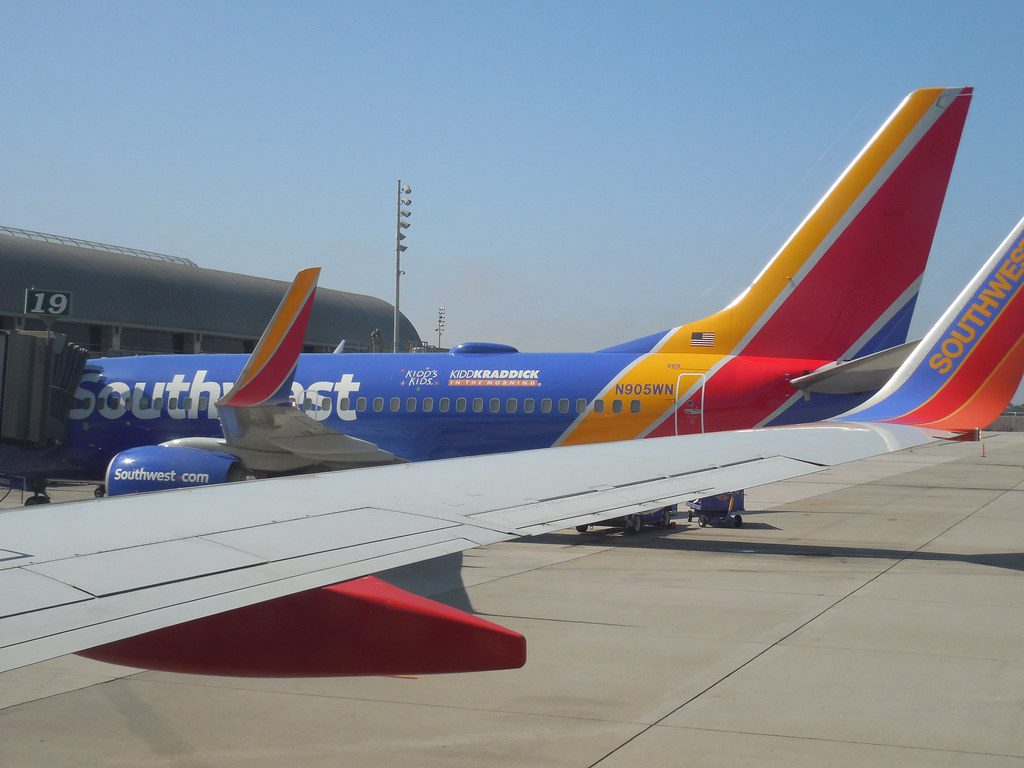
Checked luggage is always a gamble, but for one traveler named Gabby, that risk turned into a full‑blown nightmare when her pricey Beis suitcase came back from a Southwest flight wrecked. She says the bag, which cost $368, was so badly damaged that it was basically unusable, yet her attempt to get a straightforward replacement ran into a wall of fine print and corporate hedging. Her story taps into a growing frustration among flyers who feel airlines are quick to break bags and just as quick to deny responsibility.
Gabby’s experience is not happening in a vacuum. From lost designer suitcases to shredded handles, passengers are increasingly documenting how airlines, including Southwest, treat luggage as disposable while treating customers as if they should simply shrug and move on. The clash between what travelers think they are owed and what carriers are actually required to pay out is where the real turbulence starts.
How a $368 suitcase turned into a customer service saga
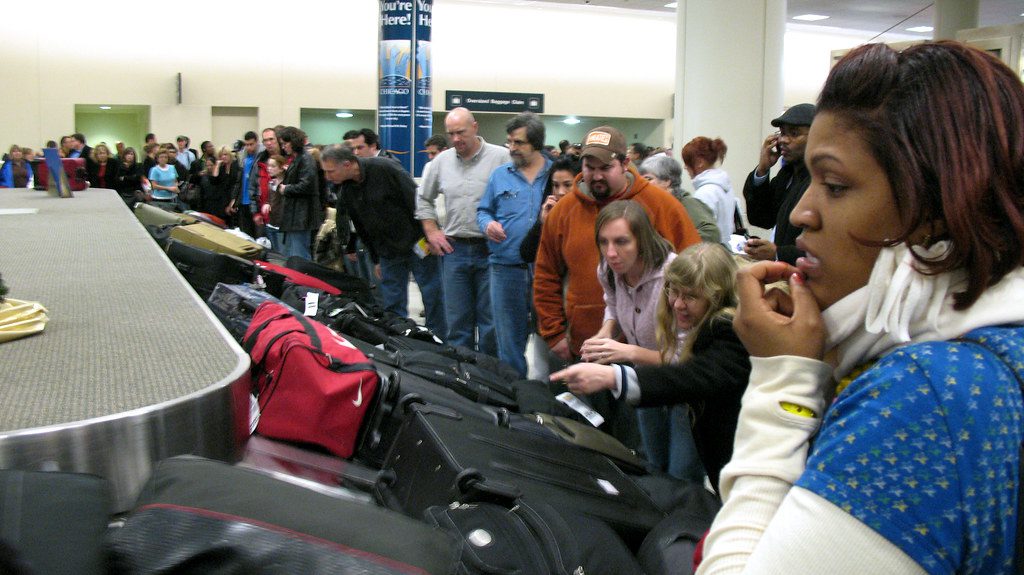
According to Gabby, the trip started like any other: she checked her Beis suitcase with Southwest, only to watch it roll back onto the carousel later looking like it had gone through a blender. When she told a Southwest agent that the Beis bag cost $368, the response was not an apology but a warning that a travel voucher would not cover that full amount, signaling early that the airline was already thinking in terms of limits rather than repair or replacement. The emotional punch was obvious, with Gabby describing the scene as “so heartbreaking” as she tried to process how a brand‑new bag could be destroyed in a single flight while the airline treated it as a minor inconvenience, not a serious loss.
Things only got more tangled when she tried to turn that heartbreak into a formal claim. Gabby followed up with Southwest to seek a replacement, but the process quickly shifted from sympathetic nods at the counter to a more rigid, policy‑driven stance once she was in the claims system. As she pushed for reimbursement, she ran into the kind of bureaucratic resistance that many travelers recognize, where the airline leans on internal rules and narrow definitions of damage to limit what it will actually pay, even though she had done what passengers are told to do and tried to file a replacement claim right after the incident Gabby.
What Southwest says it will do, and what actually happens
On paper, Southwest’s rules for damaged bags sound straightforward. The airline tells customers that damaged baggage must be reported in person at a Baggage Service Office, and that is exactly what Gabby did. Behind the scenes, though, the carrier has tightened its process, with travelers in one frequent‑flyer group noting that online damage claims disappeared around mid‑June and that, as one member put it, “Yes unfortunately the online claims for damage bags went away,” meaning everything now “Has to be done in the airport” for the airline to even consider it Yes. That shift raises the stakes for passengers who may not spot the damage until they have already left the terminal.
Even when travelers follow the rules, they still hit walls. One customer recalled that they Once had a bag “severely damaged” by Southwest, only to be told at the baggage office that the airline was not liable and would not pay for repairs. Another commenter, posting as Sammy‑Sweetheart‑, explained that Southwest leans on a strict four‑hour window to report damage and that “After” that cutoff, claims are routinely denied, regardless of how obvious the harm is After. For Gabby, who did everything by the book, the denial of a full replacement fits a broader pattern in which Southwest’s public promises and its actual payouts do not always line up.
The bigger baggage problem, from DOT rules to “wear and tear” excuses
Gabby’s fight over a $368 Beis suitcase is just one snapshot of a much larger tension between airlines and the people who trust them with their stuff. Under federal rules, airlines are not allowed to shrug off serious damage as routine; guidance from the Department of Transportation lost, delayed, or damaged baggage makes clear that while carriers do not have to cover normal scuffs, they are expected to take responsibility when wheels, handles, or other key components are broken. Yet passengers keep reporting that airlines, including Southwest, try to label even ripped‑off handles as “wear and tear” to dodge paying. One traveler said they Appealed a claim twice after Southwest allegedly ripped off a handle, only to be told it was still “normal wear and tear,” prompting them to file a DOT complaint.
There is real money at stake. Under U.S. rules, airlines are liable for up to $4,700 per passenger on domestic flights for lost, damaged, or delayed checked baggage, a cap that is supposed to adjust over time. In one high‑profile case, a woman said Southwest lost her Instead $5,000 bag and had it dropped at a random apartment complex, with the airline allegedly telling her to call the police rather than stepping up to fix the mess. That same incident highlighted that the maximum liability limit set by the $4,700 cap can still leave passengers short when they travel with high‑value items.
What travelers can actually do when their bag gets wrecked
For anyone who sees their suitcase come off the belt looking like Gabby’s Beis bag, speed and documentation are everything. Consumer advocates consistently urge passengers to Head straight to the baggage claim office before leaving the airport, since airlines often impose tight reporting windows and may flatly deny claims filed later. Millions of people will be flying for the holidays and beyond, and consumer guidance stresses that travelers should know their rights, keep receipts, and push back if an airline offers only a fraction of the bag’s value or refuses to cover anything beyond “minor damages,” even though Millions of travelers are entitled to more.
When airlines stonewall, passengers are not out of options. Federal regulators encourage flyers to escalate unresolved complaints to the DOT, and some travelers have already gone that route after feeling brushed off by Southwest. Social media groups are full of stories, including one where Southwest Airlines allegedly lost a bag on a flight from Austin to Atlanta and then misdelivered it, sparking yet another fight over accountability. For Gabby, the ruined Beis suitcase became a symbol of how fragile that trust really is, and for everyone watching her story, it is a reminder to know the rules, document everything, and be ready to push back the moment a favorite bag comes off the belt in pieces Then.
More from Decluttering Mom: