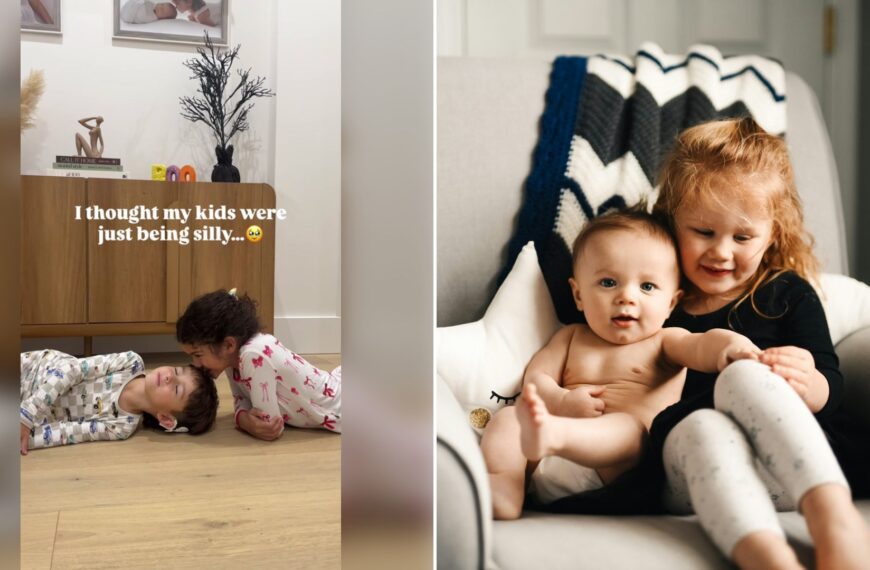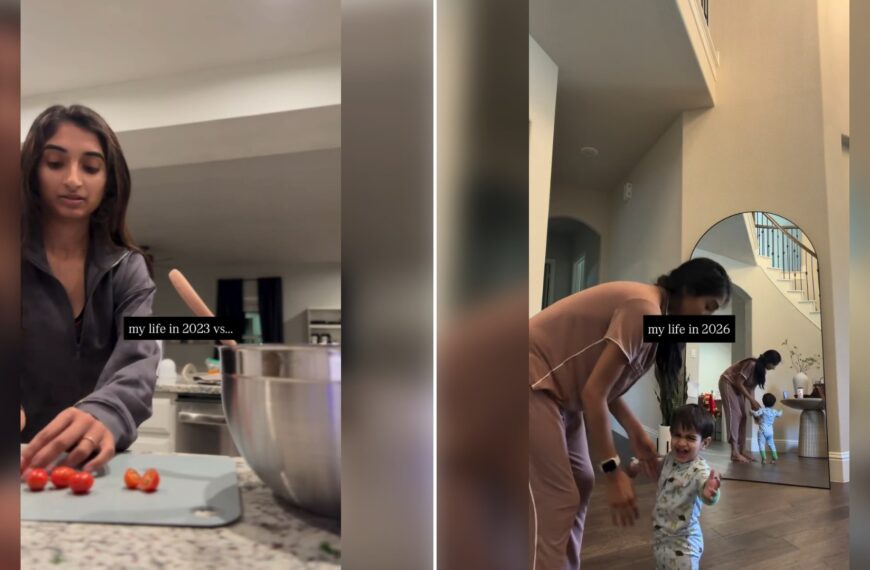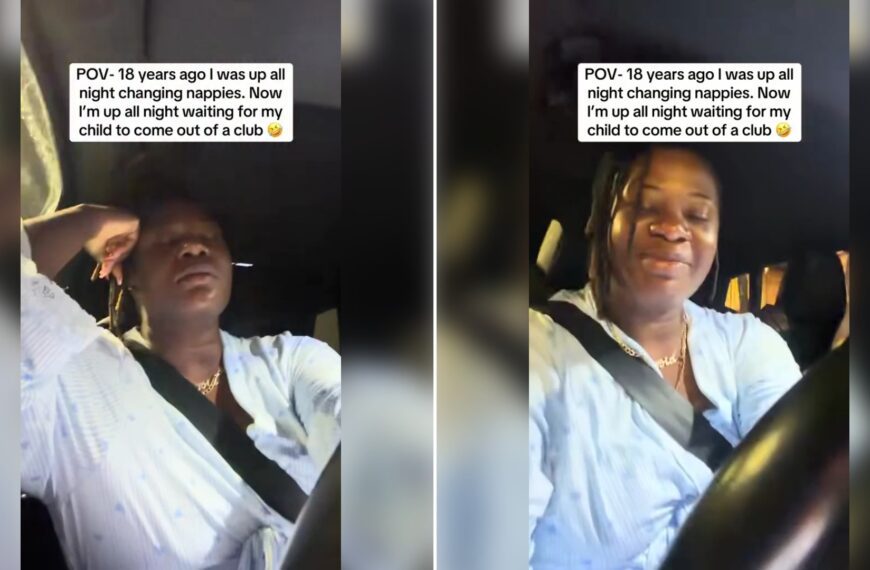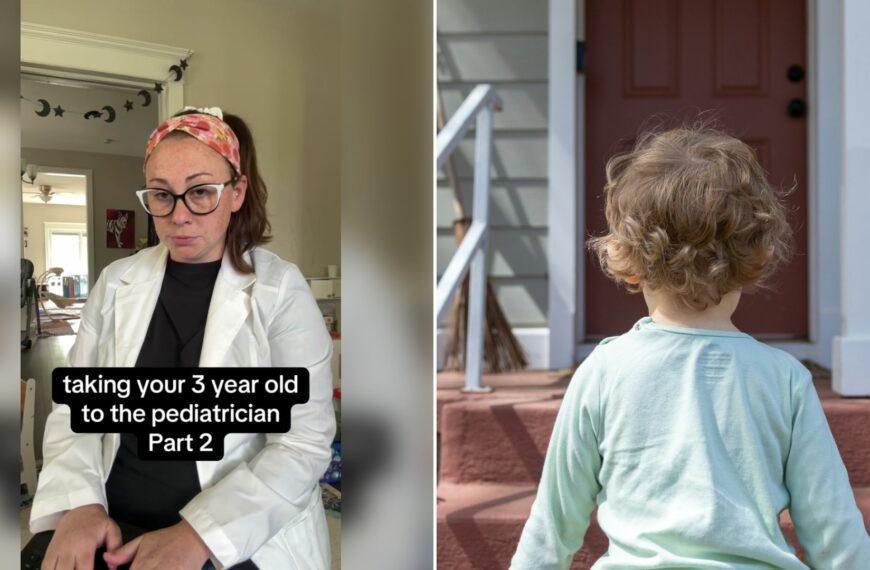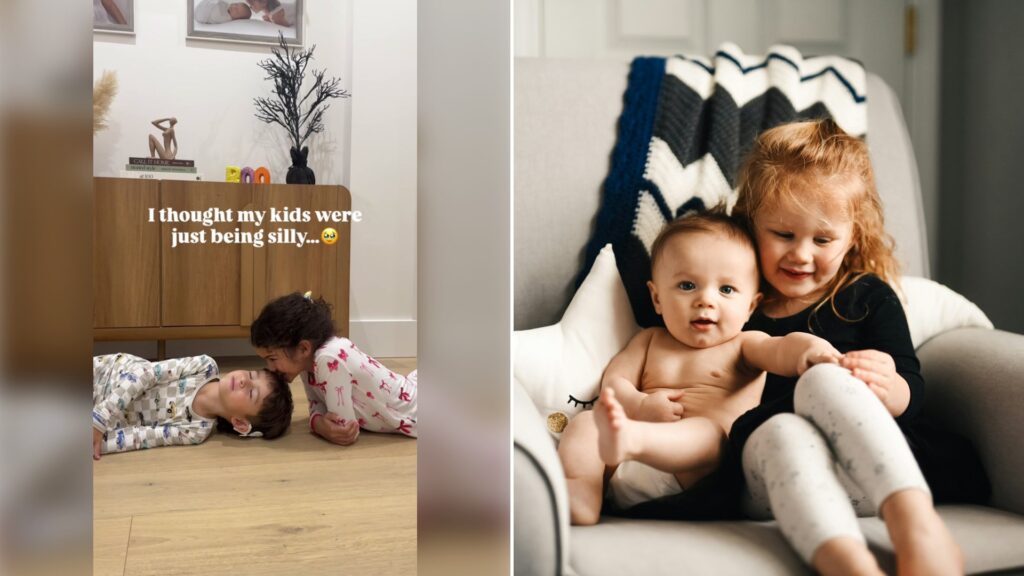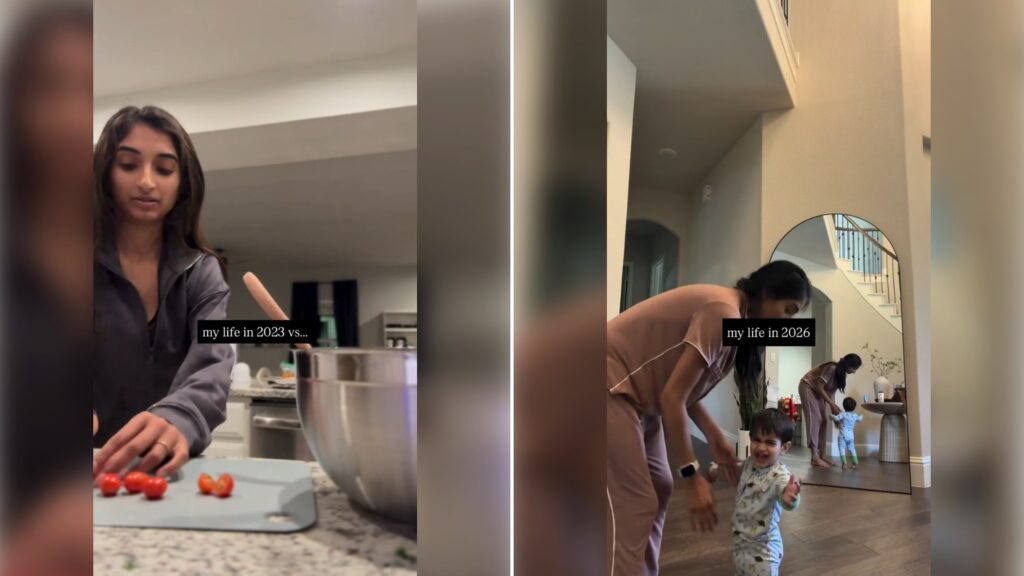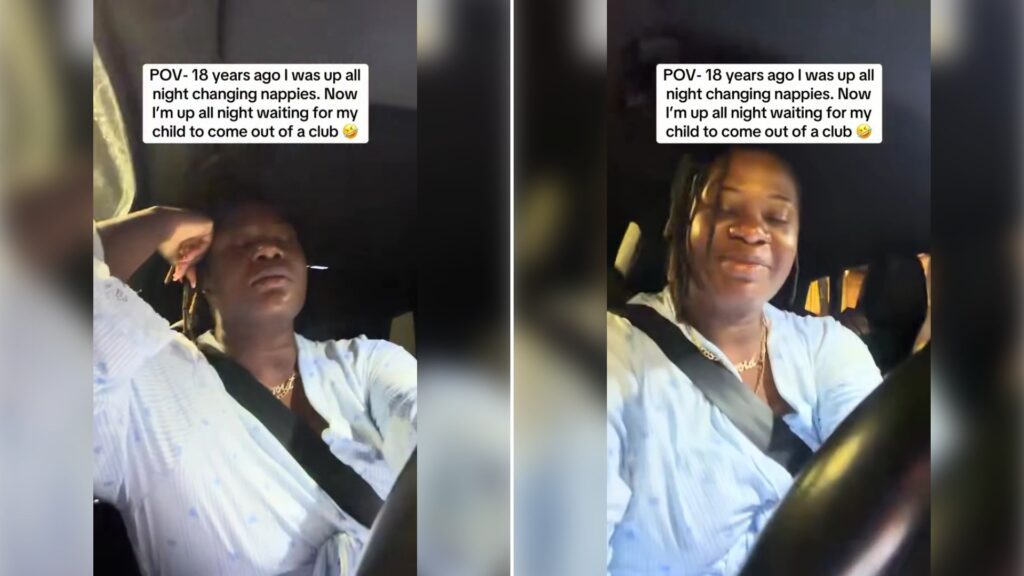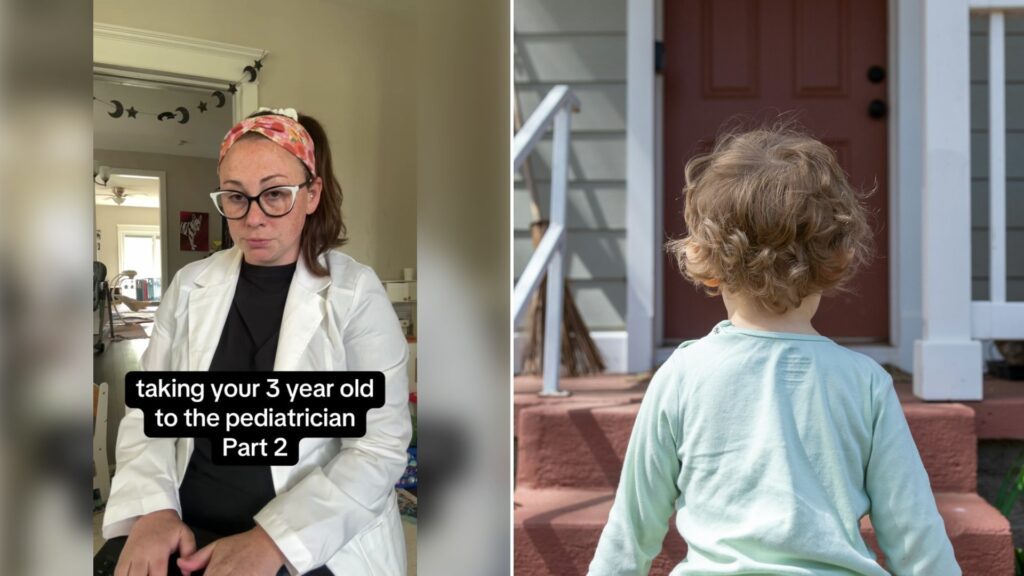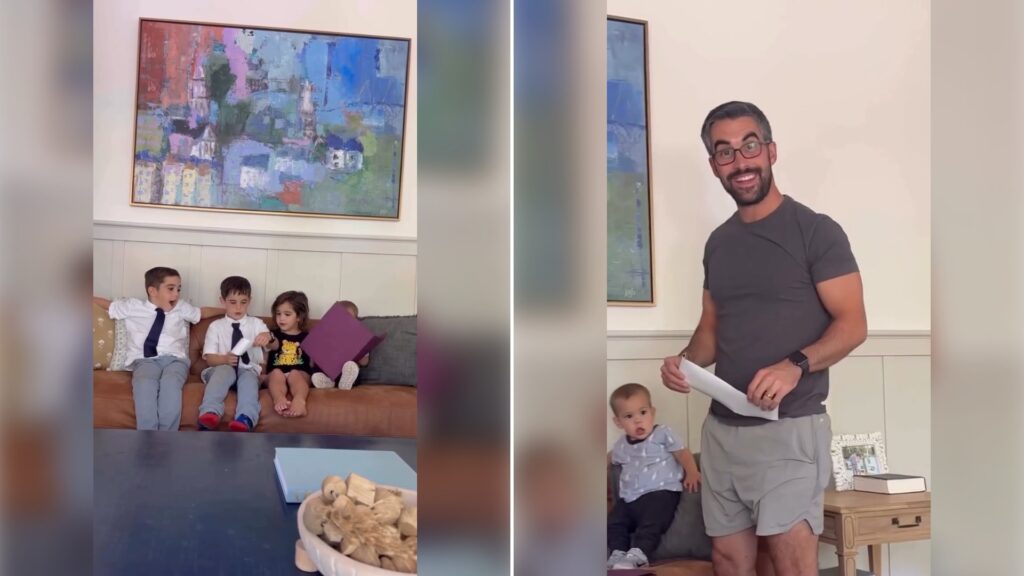
What starts as a throwaway moment in most households became, in the hands of @mummy_anite, a perfectly captured piece of family life that thousands of people instantly recognized themselves in. It is proof that the funniest, most relatable family content rarely comes from a script; it comes from simply pointing a phone at real life.
There is also something worth noting about how differently this generation of parents documents childhood compared to the one before it. Where baby books and printed photo albums used to capture only the posed, cleaned-up version of family life, platforms like Instagram and TikTok have made space for the unfiltered middle: the meltdowns, the backtalk, the inexplicable toddler logic. That shift matters, because it gives future generations, and honestly current parents in the thick of it, a far more honest record of what raising kids actually looks like day to day.
This kind of clip also says something about the particular rhythm of family life that outsiders rarely see: the way a single sentence from a child can derail, delight, or completely redefine an entire afternoon. Parents living through these years often describe time as moving in strange ways, slow in the individual hours and impossibly fast in the aggregate, and clips like this one capture a single frozen second of that blur. It is a small thing, but small things are, more often than not, the actual substance of raising a family.
Anyone who has spent real time around small children knows that their internal filter is still very much under construction, which is exactly why moments like this one resonate so widely. Kids say and do things with a bluntness adults have long since trained out of themselves, and there is something refreshing, even a little bit freeing, about watching that honesty play out on camera. It is a window into a stage of development that passes quickly, and parents who are currently living inside the chaos often find themselves laughing precisely because they recognize the exhaustion and the joy happening at the exact same time.
There is a broader cultural conversation happening here too, about how parenting content has shifted from aspirational to relatable. A decade ago, parenting influencers largely sold a polished, color-coordinated version of family life. The accounts gaining traction now tend to do the opposite, leaning into mess, into contradiction, into the gap between what parenting is supposed to look like and what it actually looks like at seven in the evening on a Tuesday. That honesty is not just more entertaining, it is arguably healthier for the people consuming it, since it resets unrealistic expectations rather than reinforcing them.
It is worth pointing out how much skill actually goes into capturing a moment like this one in a way that reads as effortless. Filming kids in real time, without staging or multiple takes, requires a kind of instinct that only comes from being constantly present with a phone in hand and an eye for when something worth saving is unfolding. The best family creators are not performing; they are simply alert to their own lives in a way that lets them catch the good stuff as it happens, which is a far harder skill than it looks from the outside.
What is striking, too, is how quickly childhood phases shift, and how a video like this one effectively freezes a moment that would otherwise dissolve into memory within weeks. Parents often say they wish they had recorded more of the small, mundane interactions rather than only the milestones, because it is the mundane stuff, the back-and-forth bickering, the specific phrases a toddler invents, that actually fades fastest from memory. Posting it publicly is almost incidental; the real value for many creators is having an accessible, rewatchable record of a version of their child that will not exist again in six months.
Part of why this kind of content performs so well online is that it collapses the distance between strangers. A parent scrolling late at night, bone-tired and slightly delirious, sees a familiar scene play out on a stranger’s feed and instantly feels less alone. Parenting can be an isolating job even when a house is full of people, because so much of the hardest work happens in private, unwitnessed moments. Short clips like this one puncture that isolation for a few seconds at a time, turning an individual family’s private chaos into a shared, communal joke.
Family content like this also tends to spark a specific kind of comment-section camaraderie, where total strangers trade their own versions of the same story. One parent’s funny toddler moment becomes an invitation for a hundred others to share theirs, and suddenly a single post has turned into a loosely organized support group. That ripple effect is a big part of why this corner of the internet has grown so quickly; it is not just entertainment, it is a low-stakes way for overwhelmed parents to feel seen without having to explain themselves at length.
Finally, there is a reason this kind of post keeps circulating well beyond its original audience: it taps into something close to nostalgia even for people who are not currently in the thick of early parenthood. Grandparents comment that it reminds them of their own kids at that age, people without children comment that it makes them look forward to or dread the experience, and current parents comment because they are living it right now. That range of reactions is part of what turns a simple home video into something closer to shared cultural shorthand for an entire stage of life.
What lingers after watching is not the specific details of the clip but the familiar feeling it leaves behind, the sense that somewhere out there, another household just had the exact same afternoon.