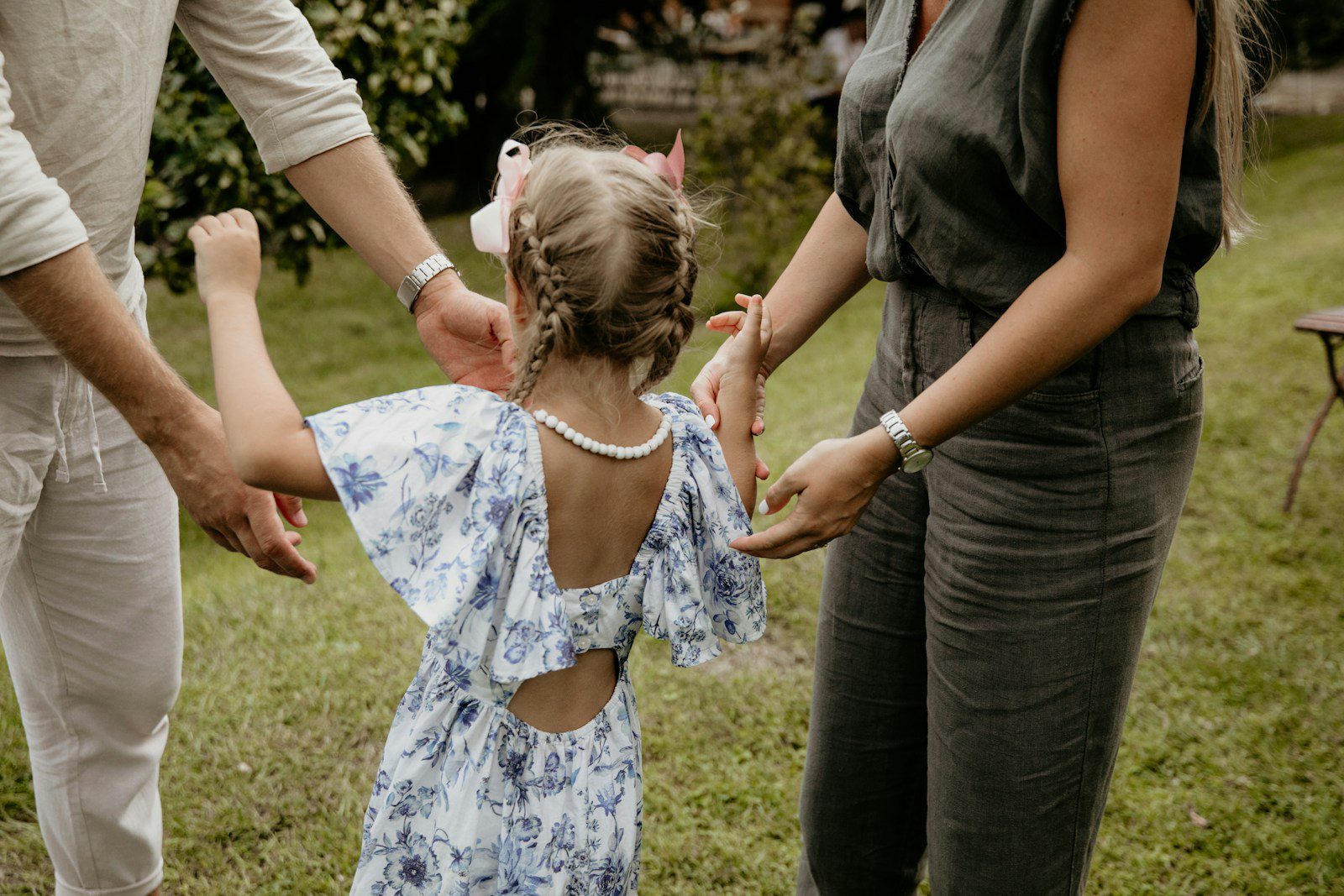
Blended families often come with unique challenges. When two households merge, parents are not only learning to live together—they’re also trying to align parenting styles, expectations, and rules for kids who may already be adjusting to a new family structure.
For many couples, that adjustment can be harder than expected.
https://www.tiktok.com/@rebelstepmom/video/7524769457651076366?is_from_webapp=1&sender_device=pc
A parenting creator recently sparked discussion online after claiming that the biggest conflict she sees in blended families isn’t finances, communication, or even relationships with ex-partners—it’s parenting differences.
Why Parenting Styles Cause So Much Conflict in Blended Families

In a video shared online, parenting coach and content creator @rebelstepmom explained that the number one issue she hears from clients in blended families is disagreement over how kids should be disciplined.
According to her, many stepmoms feel like their partners allow the children to get away with too much. That can create tension when one partner feels like there are no rules or consistent consequences.
She said the issue often comes from several common factors.
One is guilt. Parents who have gone through a divorce may feel responsible for disrupting their children’s lives, which can lead them to become overly permissive.
Another factor is simply a lack of parenting confidence. In many of the counseling sessions she described, parents don’t necessarily disagree about discipline—they just don’t know what they should do differently.
She also pointed out that confrontation can be difficult for some parents. Some may worry about upsetting their kids or creating conflict with an ex-partner, so they avoid setting firm boundaries altogether.
Tips the Creator Says Can Help Couples Get on the Same Page
In the video, the creator shared a few suggestions for couples dealing with these parenting conflicts.
One key piece of advice was for step-parents to stop acting as the household “enforcer.” She explained that constantly stepping in to correct behavior can lead to resentment between partners and between step-parents and children.
Instead, she suggested that couples focus on discussing the type of home they want to build together.
Rather than asking questions like “What kind of parent should you be?” she recommends asking, “What kind of home do we want to live in?”
She also suggested focusing on specific situations rather than criticizing a partner’s overall parenting style. For example, explaining how a particular behavior makes someone feel can lead to more productive conversations than broad statements like “You never back me up.”
Parents Say the Struggle Feels Very Real
The video resonated with many viewers who said they’ve experienced similar tensions in their own relationships.
One commenter shared that disagreements about parenting were a major issue in their family as well, describing the situation as “feeling like drowning coupled with resentment.” They said they sometimes feel like they have to be the enforcer because otherwise the household would fall apart.
Another viewer said the dynamic contributed to the end of their relationship. They explained that their stepchildren became afraid of their stepfather because he felt they didn’t listen or respect him.
Some commenters said the problem isn’t limited to blended families. One parent noted that even in households with biological children, different parenting expectations can lead to arguments about discipline and authority.
Others shared more positive experiences, saying that clear communication helped them resolve similar conflicts. One person explained that when they first married their partner, they sat down together to outline household rules and consequences—which helped create more consistency in their parenting.
While opinions differed on how to handle the situation, many viewers agreed that parenting differences can quickly become one of the most difficult challenges couples face when raising children together.
More from Decluttering Mom: