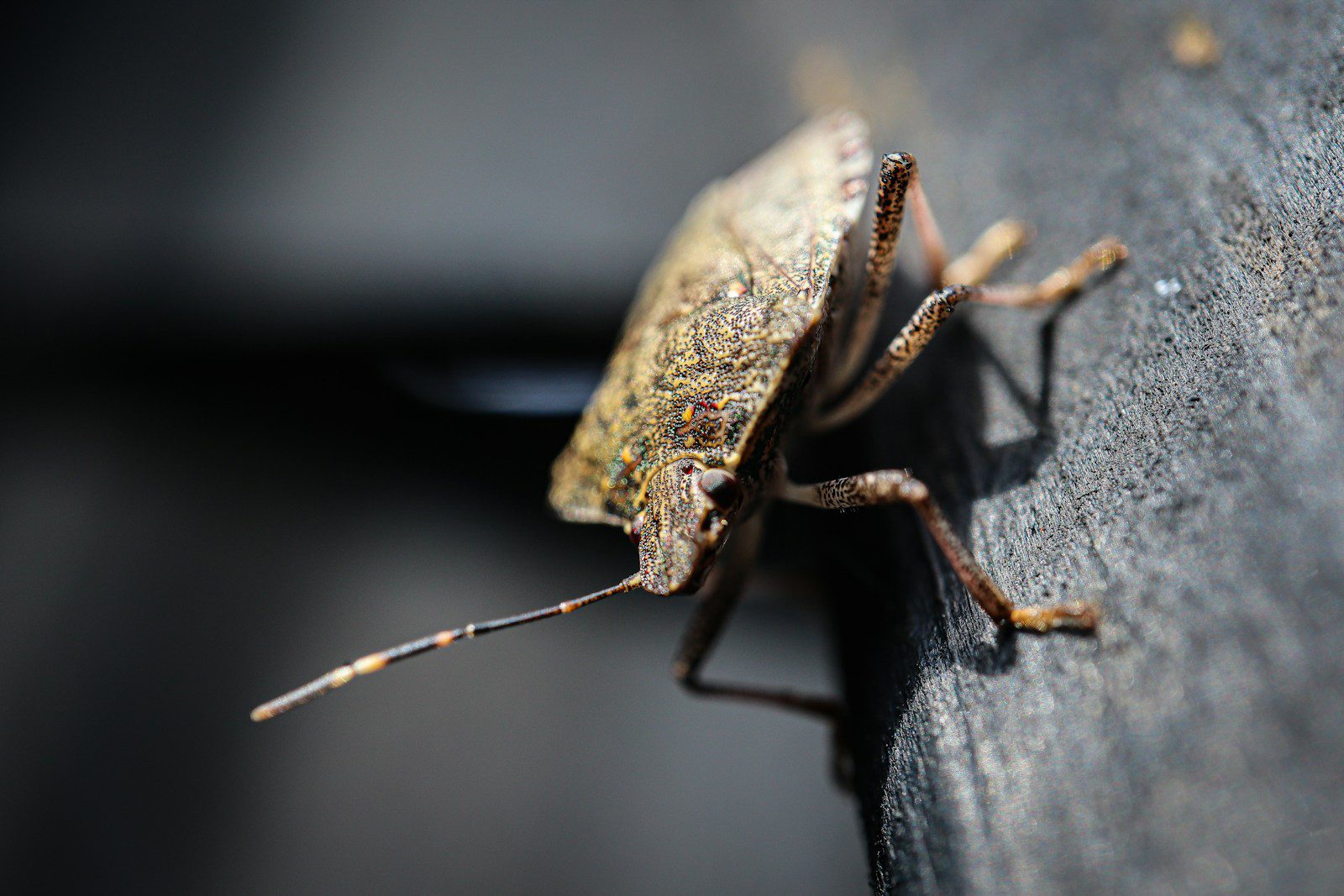
Brown marmorated stink bugs are pushing into homes across the Great Lakes, Ohio Valley and Midwest weeks ahead of their usual fall schedule this year, according to the National Pest Management Association’s own Fall 2025 Bug Barometer data. West Virginia, Ohio, Kentucky, Indiana, Michigan, Wisconsin, Illinois, Iowa, Missouri and Minnesota are named as the states seeing the earliest and heaviest activity this season.
The early swarm traces back to weather, not a change in bug behavior. Unseasonably warm, dry conditions this fall let the insects stay active outdoors longer before they need to find shelter, per the same PestWorld data, which means they’re arriving indoors in bigger numbers once temperatures do finally drop.

Key Points
- Ten states across the Great Lakes, Ohio Valley and Midwest are seeing above-normal stink bug activity this fall, per PestWorld/NPMA data.
- Stink bugs invade homes to overwinter, not to feed, and they can arrive in large, sudden clusters once they find a way inside.
- They enter through cracks around siding, utility pipe openings, window and door frames, chimneys, fascia boards and foundation gaps, according to NPMA’s own press release.
- Crushing or disturbing them releases a foul odor, which is why pest professionals recommend vacuuming rather than squashing them.
“Fall is prime time for stink bug invasions,” said Dr. Jim Fredericks, NPMA’s senior vice president of public affairs, in the organization’s press release on the seasonal pattern. “This is the season when they sneak indoors for shelter,” he added, describing the annual push that arrived early this year.
Where They’re Hiding
Once inside, stink bugs head for attics, wall voids, basements and the space behind siding, tucking into cracks where they’ll sit dormant until spring, per PestWorld’s data. That’s part of what makes an early, heavy invasion year harder to manage. The bugs that get in during September and October are the same ones that will reappear on warm days all winter long.
What To Do About It Now
NPMA recommends sealing gaps around windows, doors, utility lines and siding with caulk before the bugs finish moving in, along with checking screens for tears, cutting back tree branches touching the house, and minimizing exterior lighting that draws them toward entry points, according to the group’s press materials. Homeowners already seeing large clusters indoors should contact a licensed pest control professional rather than treating heavily on their own, since improper treatment can scatter a cluster instead of clearing it out.