The sign out front says $84 a month. It sounds like a bargain for a place to park the boxes, the holiday decorations and Dad’s old tools. Then the months roll by, and the number on your bill starts climbing.
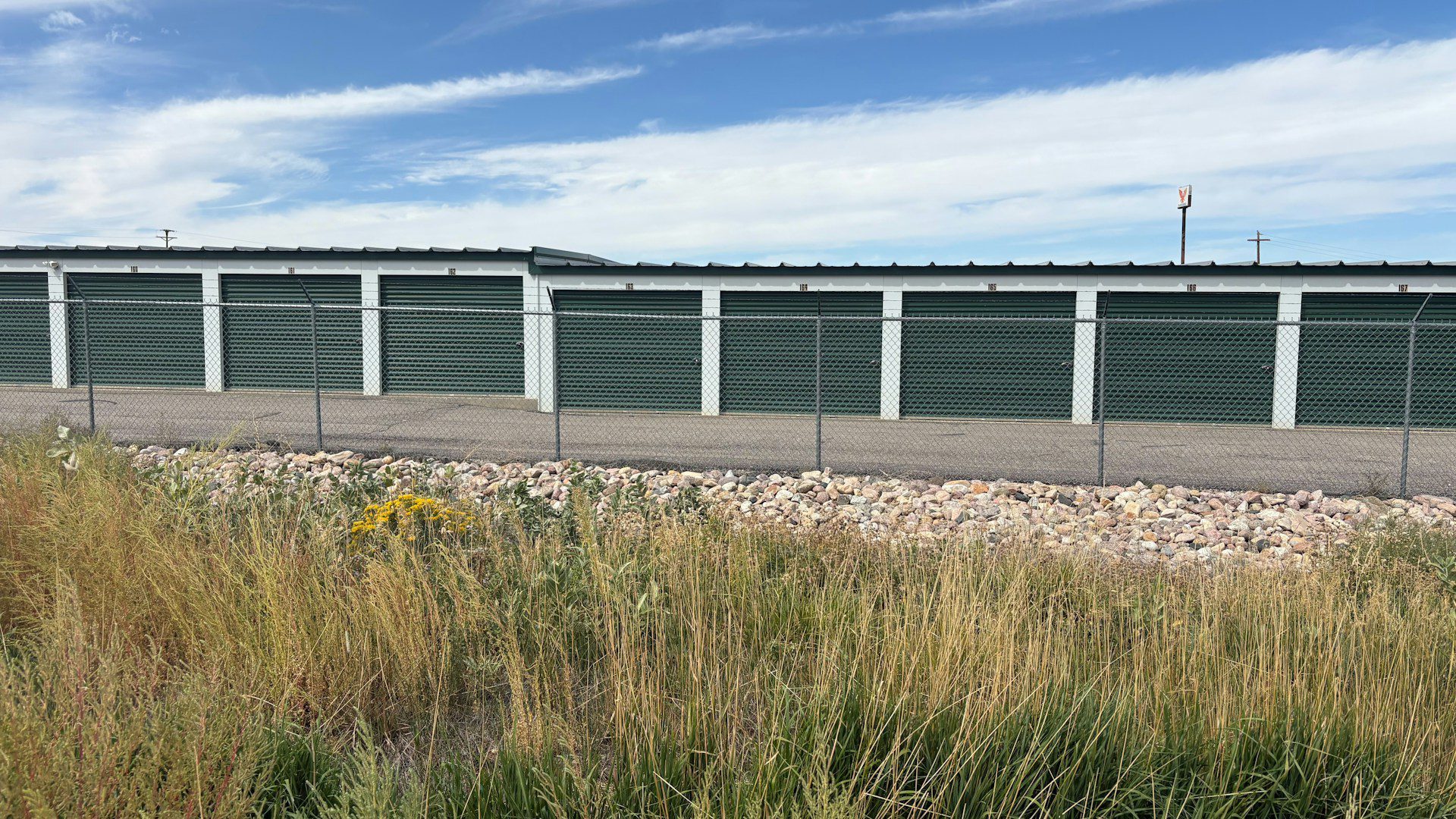
That is the story Scripps News told in its “Don’t Waste Your Money” report on self-storage, published October 13, 2025. It uses StorageCafe data and the experience of one renter.
One Renter Watched A Unit Jump From $169 To $173 To $285
According to Scripps News, the renter had a 10×20 unit. The rent was $169, then went to $173, and then the next month it leaped to $285.
Meanwhile, the same report notes that new customers were being offered $84. Read that again. The person who had been paying every month was charged more than three times what a brand new customer could get.
That gap is what makes folks so angry. Loyalty, in this business, is not always rewarded.
Introductory Rates Start As Low As $84 A Month
Scripps News reports that introductory offers can start from $84 a month. A low first price is a common way to get a customer through the door, and it works because moving a full unit is a hassle.
Once your belongings are inside, switching is a chore. You have to rent a truck, find help, haul everything out and start over somewhere else. Companies know that, and the price can rise knowing you probably will not leave.
The lesson is to treat the advertised price as the price for the first stretch only. Ask what the rent will be later, not just today.
What A Typical Unit Costs, According To StorageCafe
The report cites StorageCafe, which puts the average unit at about $140 a month. Climate-controlled units average about $153.
Put those numbers beside the $285 the renter was charged, and you can see how far out of line that bill was. It is roughly double the average. That is a good yardstick to carry in your pocket when your own bill changes.
Also notice that the climate-controlled premium is not huge on average. If you are storing photos, furniture or papers, that extra bit can be worth it.
Almost One In Three Americans Use Self-Storage
Scripps News says almost 1 in 3 Americans use self-storage. That is a lot of people paying a monthly bill for things they do not use every day.
It also means you are far from alone if you are watching your rent creep up. Many folks pay for years, without thinking much about it, because the bill is small enough to ignore.
Smart Steps Before You Sign Or When The Rent Goes Up
You are not helpless. A little homework and a short phone call can save real money over a year.
- Before you sign, ask in plain words how often rent can go up and by how much.
- Get the answer in writing, and keep a copy of your rental agreement.
- Look at your agreement for any notice period for rate changes.
- Mark the date when the introductory rate ends on your calendar.
If your rent rises, call the manager and ask about the rate offered to new renters in your size. Some facilities will meet it, and it costs you nothing to ask.
Shop Around Before You Move Anything
Moving day is the hard part, so plan it before you need it. Ask friends or family with a pickup truck, and pick a cool weekend morning rather than a sweltering afternoon.
Get quotes from two or three other facilities in your area, so you know what the going rate is for your size. Compare the same kind of unit, climate-controlled with climate-controlled, so you are not fooled by an apples and oranges price.
Compare the average figures too. If your bill is far above about $140 for a standard unit, you have a strong reason to push back or move.
The Cheapest Storage Is The Stuff You Let Go
Here is the part that suits a decluttering house. Every month you pay for a unit, you are paying for the things inside it. Over a year, even the $84 starter price adds up to more than $1,000, and at $285 a month the total passes $3,400.
Take a hard look at what is in there. Sell what still has value, donate what is useful and let go of what you have not touched in years. A smaller unit, or none at all, can mean real savings.
Walk through your unit with a notepad and sort the contents into keep, sell, donate and toss. You may find the whole thing fits in a smaller space, or in your garage after a weekend of work.
Keep a simple list of what you store and why. When the list is short enough, the case for paying a monthly fee gets weaker, and the decision to clear the unit gets easier.
Your Rent Should Match Your Loyalty
The renter in the Scripps News report went from $169 to $285 while advertised offers sat at $84. That gap is a warning to every one of us who has a unit on autopilot.
Check your bill this month. Compare it with what is advertised and what is average, and speak up if it does not add up. A few minutes now beats a year of paying too much.
More Stories You May Like
- Three Decluttering Mistakes Are Quietly Costing You Money, From Buying Duplicates To Paying Storage Unit Fees To Organizers That Add More Clutter
- About One In Four Americans Pays To Rent A Storage Unit And The Top Reason Is Not Enough Room At Home, So Are You Paying Monthly To Keep Stuff You Never Use
- Thrifters Went Back To A Time Capsule House And Opened A Sealed Box From July 1st 1992 For The Very First Time