Most of us start decluttering with a simple goal: a calmer house. Along the way, plenty of us end up spending money, sometimes a lot of it, in the name of getting organized. The irony is that three very common decluttering mistakes can quietly drain your bank account while leaving the clutter right where it was.
None of these mistakes come from carelessness. They come from good intentions and a real wish to feel in control of our homes. But once you know what they look like, you can spot them early and keep your money in your pocket.
Mistake one: buying duplicates
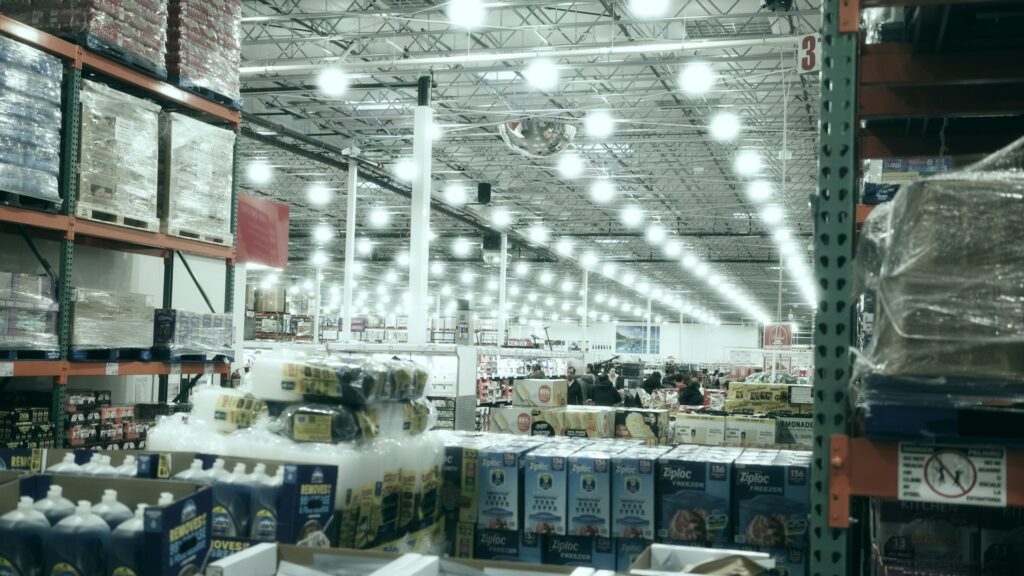
When a space is cluttered, you cannot see what you own. That is the heart of the problem. You open a drawer, cannot find the scissors, and buy another pair. You head to the store for tape, tape you swear you already have somewhere, and bring home another roll. Do that for long enough and you own five of the same thing, each one hiding in a different corner.
Duplicates feel harmless because each one is cheap. But the cost adds up, and every extra item needs a home, which means more clutter. The cycle feeds itself: the more you own, the harder it is to see, and the harder it is to see, the more you buy.
The fix is not complicated. Before you buy something you think you already own, look in the spots where it ought to live. Keep like items together, so all the batteries are in one place and all the gift wrap is in one place. When you can see everything in a single glance, you stop buying what you already have. Many people find that a simple list on their phone of what they keep stocked, such as light bulbs, cleaning supplies and school supplies, saves them from impulse buys at the store.
Mistake two: paying to store things you do not use
A storage unit can feel like a clever shortcut. The house is too full, so you rent a space and move the overflow there. The house looks better right away, and it feels like progress.
Here is the catch. You are now paying rent on boxes. Every month, a fee goes out for items you are not using and may not even remember. The longer they sit there, the more you pay, and the harder it becomes to deal with them, because now there is a whole unit to sort through. It is easy to end up paying more over time than the items inside would ever be worth to you.
Ask yourself a pointed question: if the unit burned down tomorrow, what would I truly miss? For most people the answer is a small handful of things. Everything else is a monthly bill for the comfort of not deciding.
If you already have a unit, set a date to empty it. Pick a weekend, bring a few helpers, and sort into three piles: keep, donate or sell, and trash or recycle. Treat the rental fee as a reminder that each month you wait has a price. If you are tempted to rent one for the first time, try a different approach first. Go through the house and decide what really needs to leave before you pay for anywhere to put it.
Mistake three: organizers that add more clutter
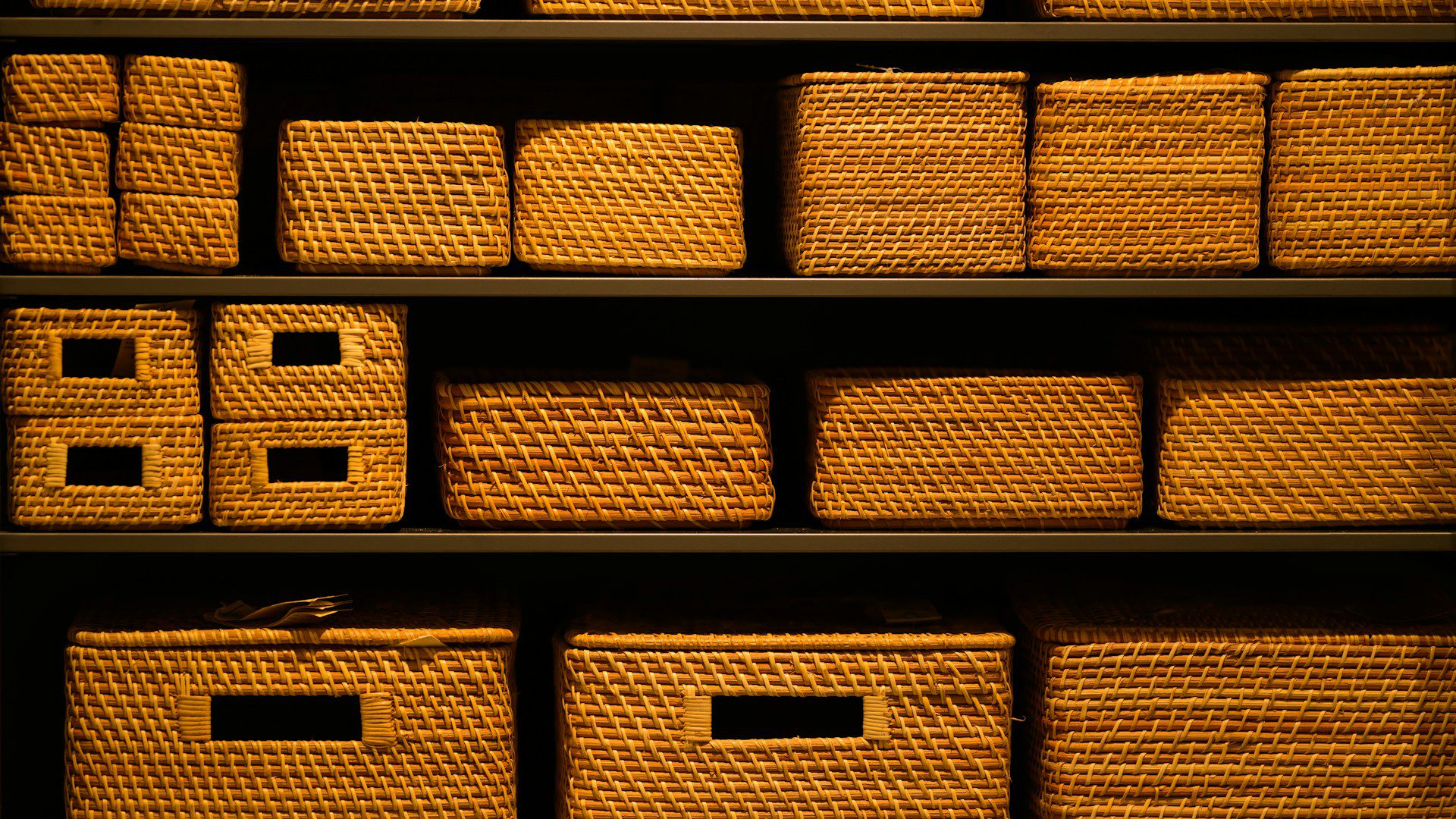
This one is sneaky, because it feels so responsible. You bring home bins, baskets, shelves and little plastic drawers, and for a moment the store aisle has convinced you that the right container will fix everything. It is a lovely idea. It rarely works.
The problem is that organizers do not reduce what you own. They give it a tidier place to sit. If you buy containers before you sort, you are simply organizing clutter. Now you have all the original stuff plus a stack of new bins that take up room, and you spent money to get there. Sometimes the bins themselves end up in a pile in the garage, which is the exact opposite of what you wanted.
The better order is to declutter first and organize second. Sort through a space, let go of what you do not need, and then see how much is left. Often what remains fits in the shelves and drawers you already have. If you do still need a container, measure the space and buy exactly what fits, not a whole set because it looked pretty.
A cheaper way to approach the whole thing
- Shop your own home first. Before buying anything new, check what you already own and what you could reuse.
- Declutter before you organize. Let go of the extras, then decide what storage you truly need.
- Put a deadline on anything you are storing outside your home, and review it regularly.
- Give every item one home, so you always know where to look.
- Wait before you buy. A short pause is often enough to tell a real need from an impulse.
Decluttering is supposed to give you more room, more calm and more money, not less. If you have been pouring dollars into duplicates, rent and fancy containers, you are not behind and you are not alone. It is a very common trap.
The good news is that every one of these mistakes can be reversed. Stop buying what you already own, stop paying to keep what you do not use, and stop buying bins before you sort. Do those three things, and you will likely find that a tidy home gets a lot cheaper than you thought.
More Stories You May Like
- Best and Worst Decluttering Methods Get Tested by One Woman Who Tried Every Single One and Ranks the Results
- Woman Decluttering Her House Before Downsizing Draws a Number From One Bucket and a Room From Another to Decide Exactly What to Throw Away Each Day for Thirty Days
- Five Ruthless Decluttering Tricks That Go Against Everything You Have Heard Are Shared by a Woman Who Used Them to Empty Her Packed Attic