
The discovery of a swastika outside a Beverly Hills elementary campus jolted a community that is used to worrying about test scores and traffic, not hate symbols on the sidewalk. Parents, students, and staff woke up to find a crude emblem of antisemitism scrawled near a place that is supposed to feel safe. What followed was a fast-moving mix of outrage, investigation, and soul-searching about what it means when a symbol of genocide shows up at an American grade school.
The incident did not happen in a vacuum. It landed in a city with a large Jewish population, at a time when antisemitic incidents have been climbing nationally and security conversations are already part of daily life. The reaction in Beverly Hills shows how a single act of vandalism can ripple through classrooms, police briefings, and neighborhood group chats, forcing everyone to confront what kind of environment they are really offering their kids.
What Happened Outside El Rodeo Elementary
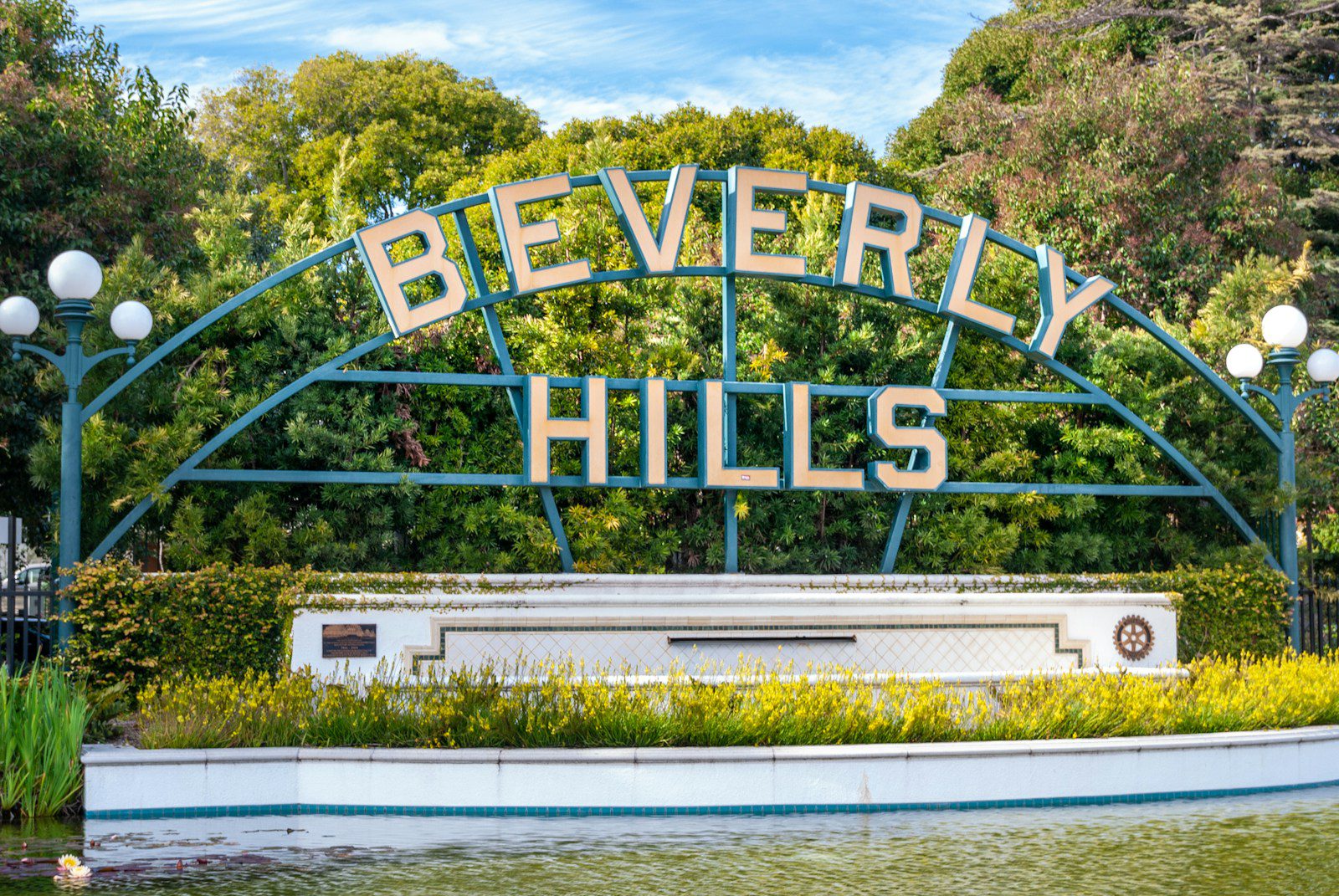
According to district and police accounts, the hate symbol was discovered outside El Rodeo Elementary School in Beverly Hills after someone used what appeared to be a dark marker or paint to draw a swastika on the pavement near the campus. The image was close enough to school grounds that staff treated it as a direct threat to the sense of safety on site, even though it was technically on a public walkway. Officials quickly tied the location to the broader identity of Beverly Hills, a city that is already mapped and documented as a distinct community within the Los Angeles region, as reflected in public place records for Beverly Hills.
Security footage later showed a man walking up to the area and deliberately sketching the swastika before leaving, which immediately shifted the conversation from random graffiti to a targeted act that carried clear historical baggage. The Beverly Hills Unified School District, which oversees El Rodeo, treated the drawing as a hate incident and moved quickly to alert families and law enforcement. For parents dropping off children at a campus that usually advertises its strong academics and community programs on the BHUSD website, the sight of a Nazi symbol on the ground was a jarring reminder that even polished neighborhoods are not insulated from bigotry.
How The Swastika Was Discovered And Reported
Staff members arriving on campus were the first to notice the swastika near the school entrance, and they immediately escalated it through district channels. Administrators treated the discovery as an urgent safety issue, not just a facilities problem, and they moved to document the vandalism before it was removed. District communication described the incident as a hate symbol found outside an elementary campus in Beverly Hills and made clear that it had been reported to police as soon as it was confirmed, a step that was later reflected in public updates about how the swastika was reported to police.
From there, the district’s crisis playbook kicked in. Families received messages explaining that a swastika had been found outside the school, that it had been removed, and that law enforcement was investigating. The communication emphasized that the symbol was discovered quickly and that staff acted immediately, which helped calm some nerves even as parents processed the emotional punch of the news. The fact that the district was able to move from discovery to formal reporting in a matter of hours underscored how seriously administrators now take any sign of hate near a campus, especially in a community that has seen antisemitic incidents before.
Security Cameras And The Search For A Suspect
Once the initial shock settled, attention turned to the question of who drew the swastika and why. Beverly Hills police reviewed surveillance footage from around El Rodeo and identified a man captured on security cameras walking up to the area, bending down, and drawing the symbol before leaving. The images, which showed the suspect’s clothing and build but not a clear face, became central to the investigation and were shared with the public as officers asked for help identifying the person seen drawing the swastika outside the elementary school.
Investigators framed the case as a potential hate crime, given the nature of the symbol and its placement near a school that serves many Jewish families. Police publicly described the act as a serious offense and encouraged anyone who recognized the man in the footage to come forward. The release of the video also served another purpose: it signaled to the community that the incident was not being brushed aside as a prank, but was instead being treated as a deliberate act that warranted a full probe. That framing helped validate the anger and fear many parents were feeling as they watched the clip circulate on social media and local news.
District Leaders Respond At A “Particularly Sensitive Time”
Within hours of the discovery, Beverly Hills Unified School District leaders were not just coordinating with police, they were also speaking directly to the emotional stakes. In a widely shared message, officials described the swastika as an act of hate that landed at a “particularly sensitive time for Jewish” students and families, language that was echoed in a BREAKING social media post quoting the district. The message, which opened with “Today, the Beverly Hills Unified School District” discovered the symbol, made clear that leaders saw the incident as more than vandalism, framing it as a direct affront to the values the schools are supposed to uphold.
Superintendent Alex Cherniss went further, tying the response to a broader principle about what students should expect when they walk onto campus. In remarks shared with families and local outlets, he stressed that “Every student deserves to come to school without fear” and promised that “Our district will act with” urgency and resolve in the face of hate, language that was later cited in coverage of how Superintendent Alex Cherniss framed the moment. That combination of moral clarity and procedural detail, from condemning antisemitism to outlining safety steps, helped set the tone for how the district expected the community to respond.
Police Investigation And The Hate Crime Context
On the law enforcement side, Beverly Hills police opened a formal probe into the swastika, treating it as a possible hate crime targeting the Jewish community. Officials described the case as a priority and noted that the Beverly Hills Police Department, often abbreviated as BHPD, was coordinating with school leaders to review footage, canvass the area, and gather tips. The seriousness of the response was highlighted in a community update that described how BHPD opens probe after a swastika was found near an elementary school, calling it a stark reminder that hate can surface anywhere.
The investigation did not unfold in isolation from other security concerns in the region. Around the same time, another case involving a man accused of a hate crime in Beverly Hills prompted stepped-up security at a local temple, with a bomb sniffing explosive sniffing dog, metal detectors at entrances, and a visible security team, details that surfaced in a Sep video segment about how religious institutions were responding. That broader context made it clear that police were looking at the swastika not just as graffiti, but as part of a pattern of incidents that demanded a stronger, more visible safety posture across the city.
Community Outrage And The Role Of Social Media
As word spread, community outrage built quickly, fueled in part by images of the swastika and the suspect that circulated online. The Beverly Hills Unified School District shared photos of the symbol and stills of the man who drew it, prompting a wave of comments from parents, alumni, and residents who saw the act as a direct attack on their neighbors. One widely shared update noted that The BHUSD had posted images of the swastika and the suspect outside the Beverly Hills campus, a detail captured in coverage that described how Swastika images were used to rally community attention.
Social media also amplified the emotional response from Jewish families who saw the symbol as a painful reminder of family histories tied to the Holocaust. Parents described having to explain to young children why someone would draw a swastika near their school, and some shared stories of grandparents who survived Nazi persecution. The online conversation was not just about anger, it was also about solidarity, with neighbors offering to walk kids to school, attend meetings, and push for stronger protections. In a city that often projects a glossy image, the rawness of those posts cut through, making it harder for anyone to dismiss the incident as a one-off.
Why The Location And Timing Hit So Hard
Part of what made the swastika so unsettling was where it appeared. El Rodeo Elementary sits in the heart of Beverly Hills, a place many outsiders associate with shopping districts and palm-lined streets rather than hate incidents. The city’s identity as a small but globally recognized enclave, documented in public references to Beverly Hills as a distinct municipality, made the presence of a Nazi symbol near a children’s campus feel especially jarring. For residents, it was a reminder that even well-resourced communities with strong institutions are not immune to the currents of hate that have been rising nationally.
The timing also mattered. District leaders explicitly called out that the incident came at a “particularly sensitive time for Jewish” students and families, language that resonated with those who were already on edge because of global and national events affecting Jewish communities. Some coverage noted that the swastika appeared around the Jewish High Holy Days, and one report framed the act in the context of Rosh Hashana, pointing out that a man drew a swastika outside an elementary school on that holiday, a detail highlighted in a piece about how a Man Draws Swastika outside a school on Rosh Hashana. That overlap between a sacred time and a symbol of hate deepened the sense of violation for many families.
How The Incident Fits Into A Larger Pattern Of Antisemitism
For Jewish residents of Beverly Hills, the swastika outside El Rodeo did not feel like an isolated shock, it felt like part of a troubling pattern. In recent years, the city and the broader Los Angeles area have seen a rise in antisemitic incidents, from vandalism at synagogues to harassment on the street. The fact that Police were already searching for a man who drew a swastika outside a Beverly Hills elementary school, as noted in a report that described how Police were handling the case, fit into a broader narrative of law enforcement trying to keep up with a steady drumbeat of hate incidents.
Nationally, Jewish organizations have been warning about an uptick in antisemitic rhetoric and acts, and the Beverly Hills case became another data point in that story. Local leaders pointed out that when a swastika shows up near a school, it is not just a message to Jewish families, it is a signal to every student about what kind of behavior is tolerated. That is why district officials, city leaders, and community groups framed the response as a stand against antisemitism and bigotry in all forms, not just a reaction to one piece of graffiti. The hope was that by treating the incident as part of a larger pattern, they could push for longer term changes in education, security, and community norms.
More from Decluttering Mom: