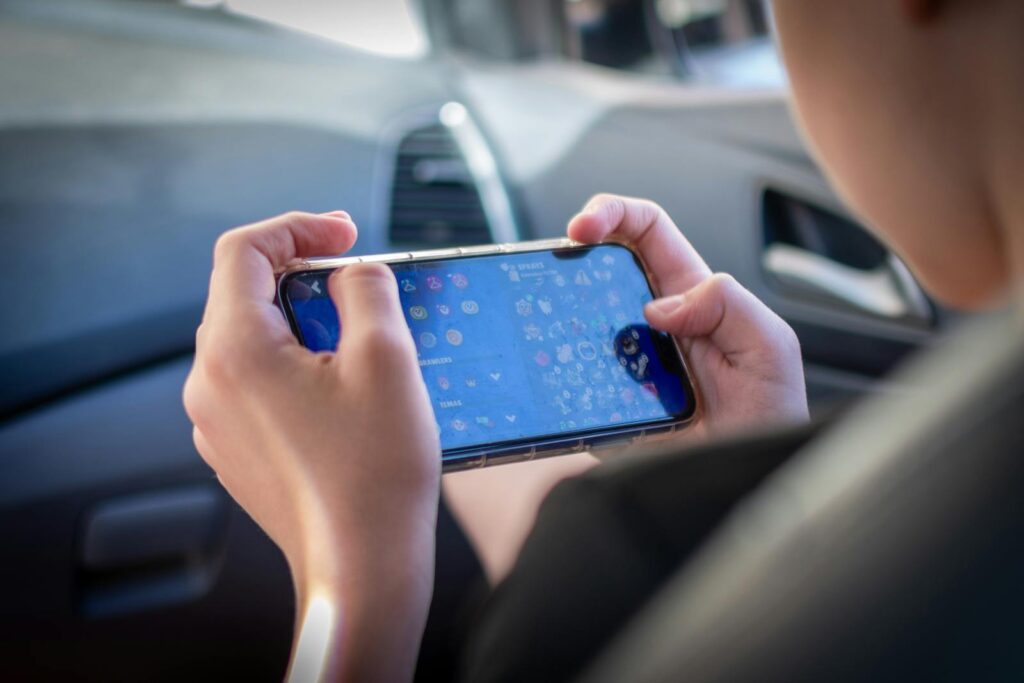
Across the country, teachers are sounding the alarm about a new kind of gap in the classroom: kids who can code on a tablet but cannot tie their shoes, write a legible sentence, or remember their own phone number. The viral stories are piling up, and so is the parental anxiety, as families realize these “basic” skills are not guaranteed anymore. Underneath the panic is a harder question, though, about what schools and homes are actually prioritizing in 2026.
What looks like a collection of funny anecdotes is really a snapshot of how childhood has changed, from how kids play to how they communicate. When Jan educators talk about “Teachers Are Sharing The, Basic, Things Students Apparently Cannot Do Themselves Anymore, And We Should All Be Panic,” they are not just venting, they are mapping a quiet crisis in everyday competence that stretches from kindergarten classrooms to future workplaces.

‘They can swipe, but they can’t tie their shoes’
Teachers keep repeating the same stunned refrain: students are arriving at school without skills adults assumed were handled long before third grade. In one widely shared thread, Jan staff collected stories of children who cannot manage simple tasks like zipping coats, opening snacks, or getting a swing going at recess, a trend summed up in the phrase “Teachers Are Sharing The, Basic, Things Students Apparently Cannot Do Themselves Anymore, And We Should All Be Panic” that has parents rethinking what they practice at home with their kids. Another Jan account drills into academics, with one contributor warning that Children have “no sense of capitalization or punctuation,” that Sentences “don’t make sense,” and that neat handwriting now feels optional to many students, a shift that makes even basic written communication harder to teach in class.
The viral clips are just as blunt. A Teacher in Dallas, Texas recorded a Viral warning about her eighth graders, saying they struggle with tasks as simple as filling out a heading on a worksheet or organizing papers, and she admitted “it’s scaring me a little” as she described how unprepared they seem for high school expectations on social media. Another Teacher, profiled by Fabiana Buontempo, said she was “shocked” by how many students lacked such basic skills, a concern that turned into a now viral TikTok as she described kids who could not follow simple directions or work independently for even short stretches in her classroom. When that same Teacher’s clip was shared again, Fabiana Buontempo highlighted how quickly parents latched onto the fear that their children might be quietly falling behind on life skills, not just test scores online.
The third grade wake up call
If middle school teachers are worried, the third grade stories are downright jarring. In one Nov report titled Teacher Shares the, Everyday Skills Many Third Graders Can no longer manage, educator Rachel Paula Abrahamson relays how a colleague listed 10 everyday tasks her students could not do, from tying shoes to reading an analog clock, even though these skills, however old fashioned they seem, still matter for independence by third grade. A separate Nov piece, framed around the exasperated question “What is going on??”, follows a Teacher who says some of her students do not know their parents’ full names, cannot recite their addresses, and freeze when asked to make a simple phone call, all skills she remembers being non negotiable in elementary school a generation ago.
Other educators say the problem starts even earlier, with Students arriving in lower grades already missing building blocks. One Jan roundup quotes teachers who say They are no longer seeing kids taught how to tie shoes or read or write in cursive, and who wonder aloud, “How do you expect them” to handle more advanced work without those basics in place. Another Nov collection of accounts opens with the phrase Nov, Across the country, and describes teachers watching students fumble with everything from tying shoelaces to opening milk cartons, even as those same kids navigate apps and games with ease on their tablets. For one third grade Teacher who later appeared in a segment titled Deserving Teacher Gets Vacation Surprise on TODAY, the frustration was so intense she filmed a video listing the 10 everyday skills her students lacked, a clip that ran 06:54 and ended with her plea that “We work together” as families and schools to fix the gap before it widens.
From missing scissors skills to future jobs
Experts say these stories are not just about nostalgia for a pre iPad childhood, they are about developmental foundations. One Jun analysis of early childhood classrooms notes that “These fundamental skills that seem so basic are actually really important to [children’s] overall development and growth,” pointing to kids who now struggle with listening, sharing, and even using scissors, and warning that these capacities are harder to build than they used to be in preschool. Another educator, posting a Dec video captioned “I have questions… mostly about the future,” rattled off how her students lose Commission slips, cannot read inch boxes on worksheets, and misplace anything that is not physically attached to their bodies, then asked how she is supposed to balance teaching these skills with curriculum happening at a relentless pace every day.
Business leaders are paying attention too. In Apr, a survey titled The Skill Students Need Most to Succeed in Future Jobs gathered responses from American company executives and educators, who agreed that communication, problem solving, and adaptability will matter more than ever, even as they reported declines in some areas that depend on those early “basic” habits for success. A separate Sep report on Gauging the impending skills shortage warns that Teachers and nurses also make the list of occupations with projected large shortages, in part because schools are struggling to find enough faculty to teach both foundational literacy and newer priorities like coding and critical thinking at the same time. As one education analyst put it in a Nov rundown of 10 Problems With the U.S. Education System in 2026, curricula have not kept pace with how technology and society evolve, leaving schools squeezed between teaching digital skills, coding, and critical thinking and shoring up the everyday competencies that used to be learned by osmosis at home. For parents watching these viral posts, the message is uncomfortable but clear: if kids cannot yet handle the basics, no amount of screen time or advanced curriculum will bail them out later.
More from Decluttering Mom: