In a quirky turn of events that’s both heartwarming and eye-opening, teachers across the country have started asking their students a simple yet revealing question: “Who does the most at home?” The answers? Well, let’s just say they’ve left parents feeling seen, validated, and maybe even a little amused. After all, it turns out that kids have a knack for honesty—sometimes brutally so!
The Classroom Experiment
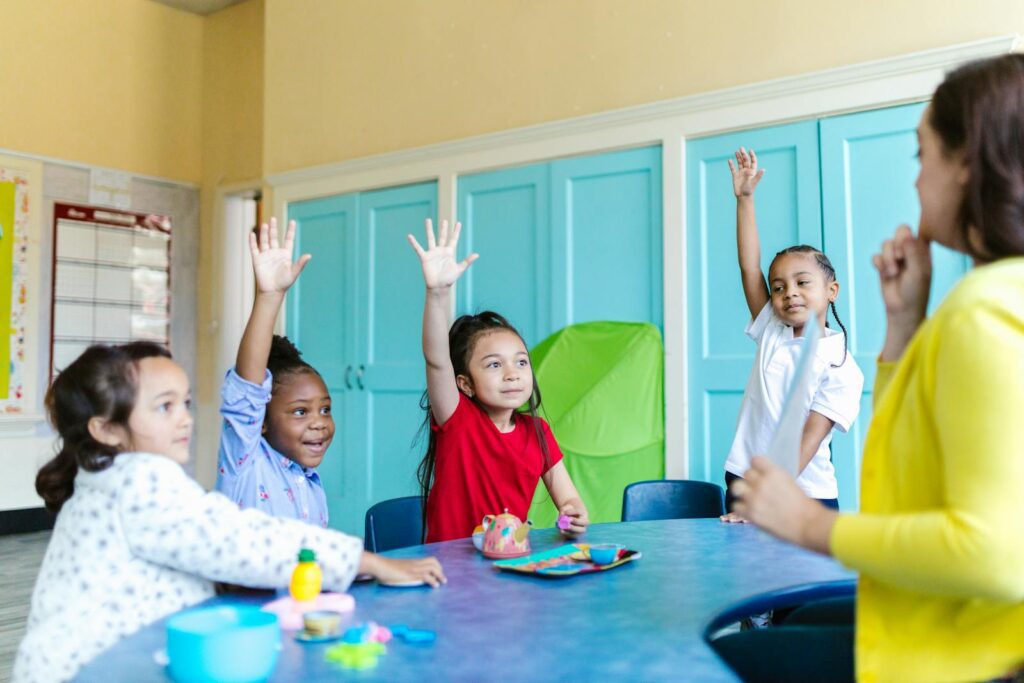
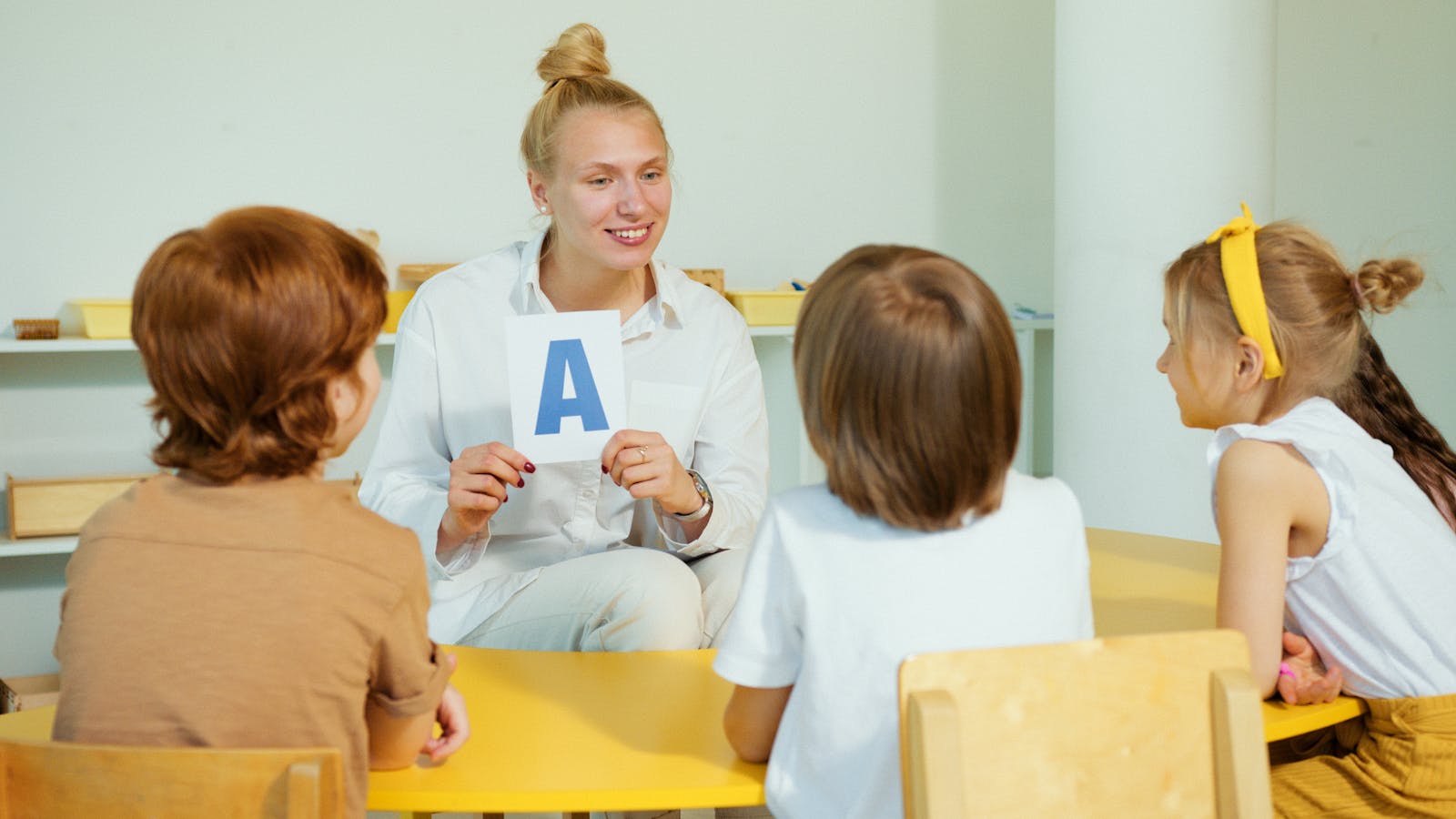
This initiative began as a light-hearted classroom activity, aimed at encouraging kids to think critically about their family dynamics. Teachers wanted to spark conversations about responsibilities and teamwork at home. What they didn’t expect was the wave of laughter, nods of recognition, and the occasional gasp from parents who found their daily struggles mirrored in their children’s candid responses.
From washing the dishes to making dinner, kids had no shortage of opinions. “My mom does the most because she always makes us dinner, even when we don’t like it!” exclaimed one fourth-grader, earning chuckles from classmates and a knowing smile from the teacher. And let’s be honest, who hasn’t had that moment when your child picks the most thankless job to acknowledge? It’s like they’re saying, “Look, I see you, and I recognize your sacrifices, even if I don’t always appreciate them.”
Parents’ Reactions
As word spread about the classroom discussions, parents couldn’t help but lean in. Many took to social media to share their children’s enlightening—and sometimes hilarious—insights. “My son said I do the most because I’m the one who finds his lost shoes,” one mom posted, laughing. “I guess being a detective counts as a full-time job now!”
For many parents, these honest reflections from their kids were a breath of fresh air. Amid the chaos of school pick-ups, dinner preparations, and the endless cycle of laundry, it’s easy to feel a little invisible. But hearing their children acknowledge their hard work? That was a win. It’s like the universe gave them a high-five, saying, “You’re doing great, even if it doesn’t always feel that way!”
The Hidden Contributions
What’s particularly interesting about this whole experiment is how it highlights the unseen labor that often goes unnoticed in the hustle and bustle of family life. Sure, we all know that parents do a lot, but kids often don’t realize the sheer volume of tasks that keep the household running smoothly. They might see a parent cooking dinner, but they may not connect the dots to the grocery shopping, meal planning, and cleaning that goes along with it.
Let’s face it—most kids think a meal magically appears on the table. They’re not fully aware of the hours spent strategizing how to sneak more vegetables into their diets or the late-night grocery runs when they suddenly decide they need a cake for school the next day. But this exercise opened their eyes a bit, and for parents, it was a relief to hear their hard work recognized.
Building Empathy and Understanding
This isn’t just about getting a pat on the back, though. It’s a great conversation starter for families. When kids recognize the work their parents do, it can foster empathy and understanding. Parents can take this opportunity to involve their kids in household chores, explaining why certain tasks are important and how everyone can pitch in. Maybe it’s time to delegate those laundry duties—why not let the kids experience the joy of sorting socks?
And let’s not forget the humorous side of this. Imagine a family meeting where everyone shares their daily contributions. “I made my bed!” “I took out the trash!” “I didn’t complain about dinner!” There’s bound to be laughter, and maybe even a little friendly competition over who contributes the most. Who knew a simple question could lead to such bonding moments?
Why It Matters
Ultimately, this classroom experiment is a reminder that family life is a team effort. It’s about more than just chores; it’s about building a culture of appreciation and collaboration. When kids understand that their parents juggle multiple roles, they might be more inclined to help out. Plus, it sets the stage for future relationships—teaching them the importance of recognizing others’ hard work.
More from Decluttering Mom: